The sun dips below the horizon. Wind picks up, sharp and cool, across the chalk grasslands of East Sussex. You’re looking for something that doesn’t show up during the day.
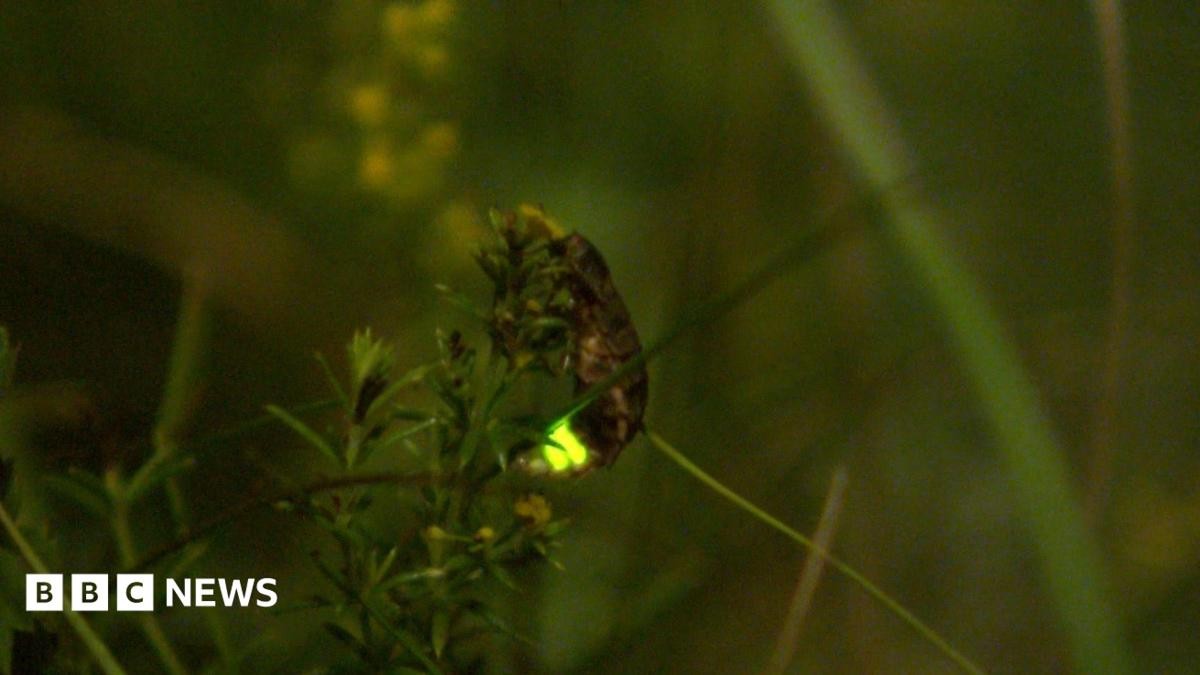
Somewhere in the dark, a green flicker appears. Then another. And another.
This is Benfield Hill Nature Reserve, Brighton and Hove’s oldest local site. It’s where you go when you want to see a thriving glow worm population without fighting the crowds. Conservationists spotted 60 glowing females in a single night recently. That is a lot of lights for a small patch of land just outside Hove.
Why do these specific fields matter so much?
Because glow worms aren’t getting any easier to find elsewhere. They are disappearing from much of the country. Habitat loss is the main culprit. Climate change is messing with their rhythms. And light pollution? It drowns them out, literally.
At Benfield Hill, the team knows what they are doing. They don’t just mow the lawn. They let some grass grow long. Why? So the female glow worms can crawl up those stalks.
Sally Wadsworth runs the Benfield Wildlife and Conservation Group here. She’s out there on windy nights, looking for the same stars I am.
“The females stick their bottoms in the air and turn on a green light. You see little green stars dotted everywhere.”
It’s bioluminescence. Simple. Effective.
But there’s a catch. The females don’t have wings. They hatch in one spot. They live in that spot. If you kill the population here, it’s gone forever. Reintroduction is hard. Expensive. Rarely done right.
That’s why protecting Benfield Hill’s current glow worm habitat is basically a lifeline.
Compare that to what’s happening in Hampshire. Earlier this year, volunteers and rangers tried a different approach near Alton. They released 250 larvae. The glow worms came from Devon. It was a risky move.
“We don’t know quite what’s going to happen,” Jan Knowlson told reporters. She’s a biodiversity officer for the South Downs. “But hopefully they’ll survive and thrive.”
It’s an experiment.
Back at Benfield, they aren’t experimenting with relocation. They’re experimenting with management. Different grass lengths. Different timing. The results speak for themselves. A strong, stable population of a species that is slowly fading from the national map.
It works.
You walk away from the chalk grasslands and look up. The sky is full of stars. Down here, on the ground, there are a few more. They blink on. They blink off. The wind keeps blowing. The search isn’t over; it just moves to the next patch of dark earth.