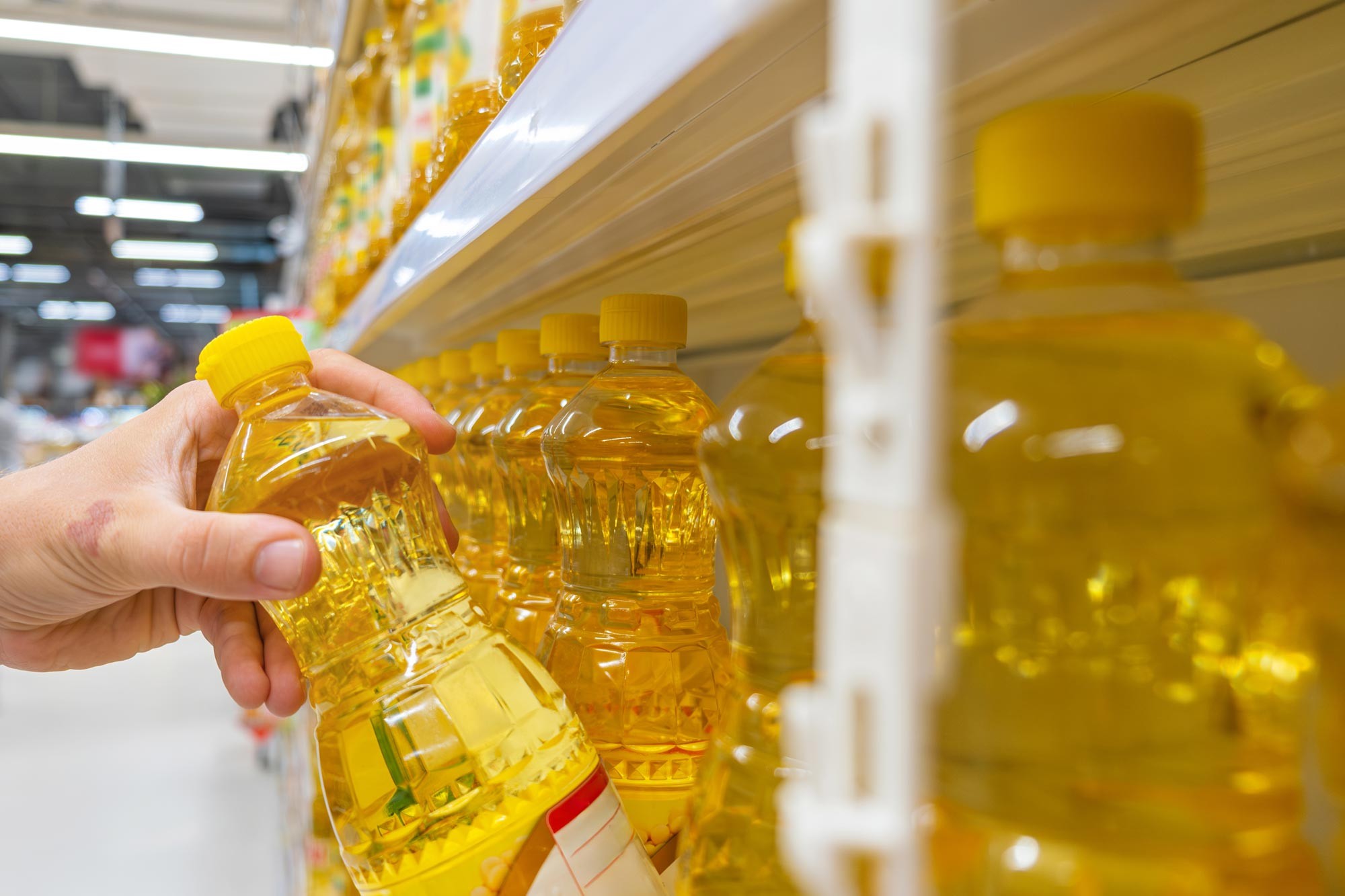
Scientists at UC Riverside think we’re eating too much of it. Not because it tastes bad. It’s just in everything. Salad dressing. Frozen dinners. Restaurant fries.
They call it soybean oil. The menu calls it vegetable oil. You probably aren’t reading the labels.
New research suggests heavy intake might be wrecking gut bacteria in ways we don’t fully grasp yet. We thought it was safe. We might be wrong.
The leaky gut connection
Here’s the setup. Researchers fed mice a diet loaded with soybean oil for 24 weeks. They watched the guts fail.
Beneficial bacteria died. Bad ones, specifically a strain of E. coli linked to ulcerative colitis in humans, multiplied. The intestinal barrier turned porous. Think Swiss cheese instead of skin.
“Excessive linoleic acid negatives affects the gut microbiome,” Poonamjot De said, an assistant researcher at the school.
Linoleic acid. It’s the main fatty acid in that oil. The body needs some. Like, 1 to 2 percent of your daily calories. Based on what our ancestors ate, that’s plenty.
Americans eat 8 to 10 percent of their daily energy as linoleic acid. Mostly from soy.
The bad E. coli uses linoleic acid as food. The good bugs? They choke on it. Deol puts it plainly: “It’s the combination of good bacteria dying… that makes the gut susceptible.”
Olive oil doesn’t do this
Not all plant oils are created equal.
We used to think unsaturated fats were magic. Saturated fats bad, unsaturated good. It was a simple rule. Too simple.
Frances Sladek, a UC Riverside professor, calls it a lazy assumption. “It was assumed all unsaturated fats are healthy… without actually doing a direct comparison.”
Olive oil doesn’t make the mice sick.
Sladek tested it. Same setup. Mice ate olive oil high fat diet. No colitis susceptibility. No gut barrier failure. Avocado and coconut oil looked promising too. Corn oil? Same problem as soy. It has too much linoleic acid.
Linoleic acid isn’t evil. It keeps cell membranes flexible. Your brain needs it. But maybe we’re drowning in it.
“Just because something is needed doesn’t mean a lot is good for you,” Slade said.
Genes and oils
Other studies back this up. One looked at gene expression across the entire mouse intestine. Diets with conventional soy oil messed up genes tied to immunity and inflammation. A modified soy oil, tweaked to mimic olive oil’s fatty acid profile, didn’t cause the same chaos.
Another angle? Oxylipins. These are compounds your body makes when breaking down fat.
A study in the Journal of Lipid Found that mice protected from soy-induced obesity had lower levels of specific oxylipins. They gained less weight. Less fatty liver. The chemistry changes. The outcome changes.
So what do you cook with?
Soybean oil is cheap. It’s neutral. It doesn’t burn easily. That’s why every chip bag has it in it. You consume it without tasting it.
Slade has advice.
Read the nutrition facts label. Avoid processed foods. Try an air fryer, uses very little oil.
We still don’t know the exact tipping point. How much is safe for a human? Future studies will have to dig there. For now, the signal is clear enough to look at the bottle before you pour.