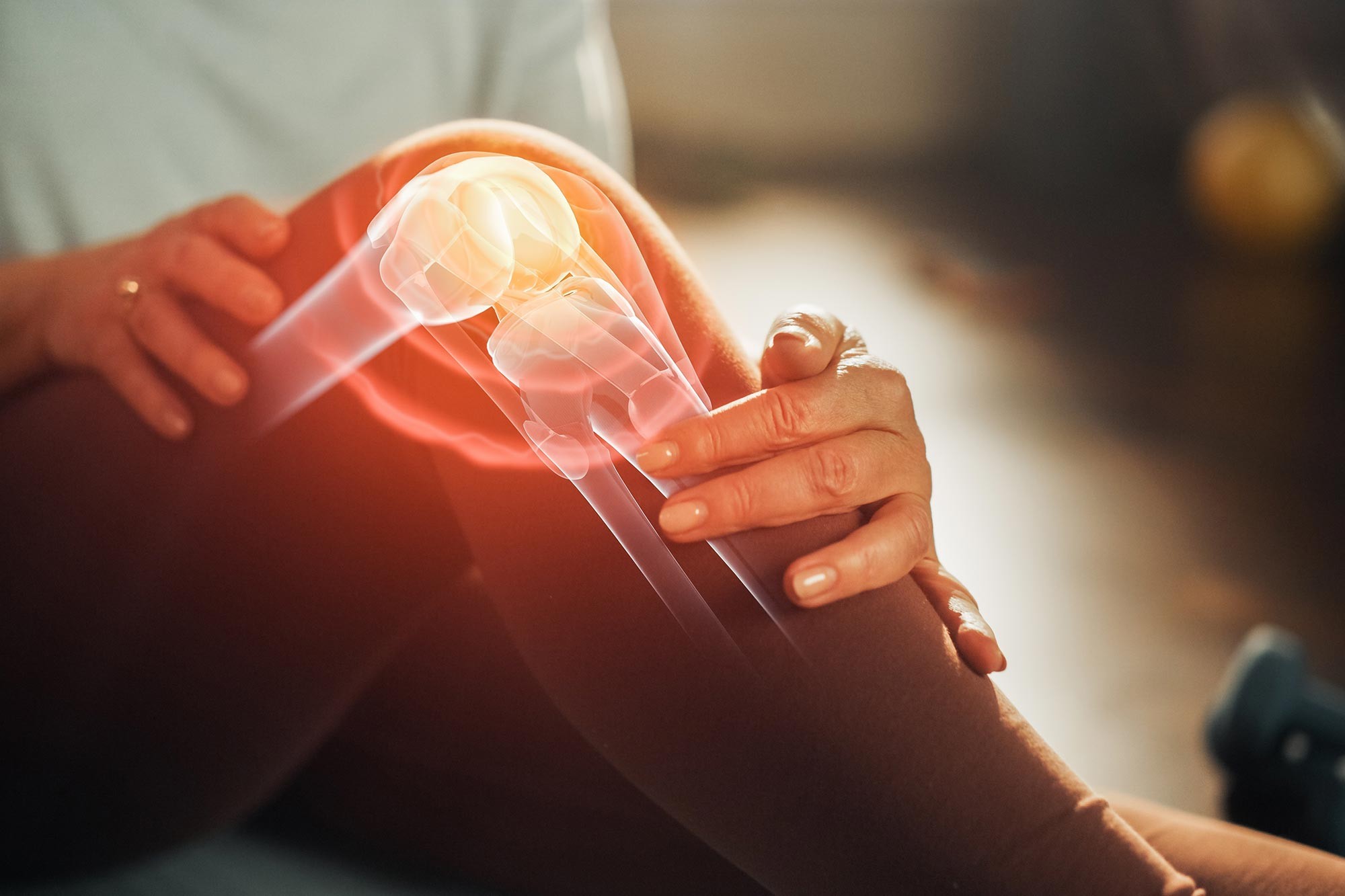
Six weeks. That is all it took.
A new study out of the University of Nottingham suggests a simple daily supplement could be the missing link for people suffering from knee osteoarthritis (OA). The culprit isn’t the knee itself, necessarily. It starts in the gut.
Researchers tested inulin. A type of prebiotic fiber. Found in chicory root and Jerusalem artichakes. The results? Lower pain. Stronger grip. And less sensitivity to pain overall.
“This study raises the exciting possibility that asimple dietary change … could meaningfully reduce pain and improve function.” — Dr. Afroditi Koveraki
It is not just about moving less or taking more pills. The INSPIRE trial, published in Nutrients, looked at 117 adults. They split them into groups. One got inulin. Another did digital physiotherapy. Some did both. Some got nothing (a placebo).
Here is where it gets interesting.
Inulin alone worked. So did physiotherapy alone. Both reduced knee pain. But inulin did something extra. It lowered pain sensitivity. This matters because it changes how your nervous system processes discomfort, not just whether the joint hurts.
The gut talks to the muscles
The gut microbiome consists of trillions of bacteria. Inulin feeds the good stuff. These bacteria produce short-chain fatty acids. Specifically, butyrate. And a hormone called GLP-1.
GLP-1 is interesting. It is released by the gut. The study found higher levels in people who took inulin. Those levels linked to better grip strength.
Think about that.
A hormone from your belly helps your hand grip a dumbbell?
Senior author Professor Ana Valdes thinks this points to a gut-muscle-pain axis. She calls it “particularly intriguing.” It suggests gut health might influence physical resilience as we age. Not just for OA, but generally.
“The link … between GLP-1 and grab strength … warrants further investigation.”
Easy to keep going
The real win might be compliance.
Only 3.6% of the inulin group dropped out. Contrast that with the physiotherapy group. There, 21% quit.
Exercise is hard. Doing it on an app every day? Harder. Taking a spoonful of powder or eating yogurt? Easier. Dr. Kouraki noted this public health angle. If people actually stick to it, it works better in the long run.
Lucy Donaldson from Arthritis UK noted that six in ten sufferers live with constant pain. Diet matters. Movement matters. But knowing they act in different ways is key. One fixes the mechanism. The other might tweak the wiring.
We have a long way to go. GLP-1 levels dropped, but we need larger studies to see if this holds up for everyone. The data is promising though.
Maybe your knees need help from your gut, after all.