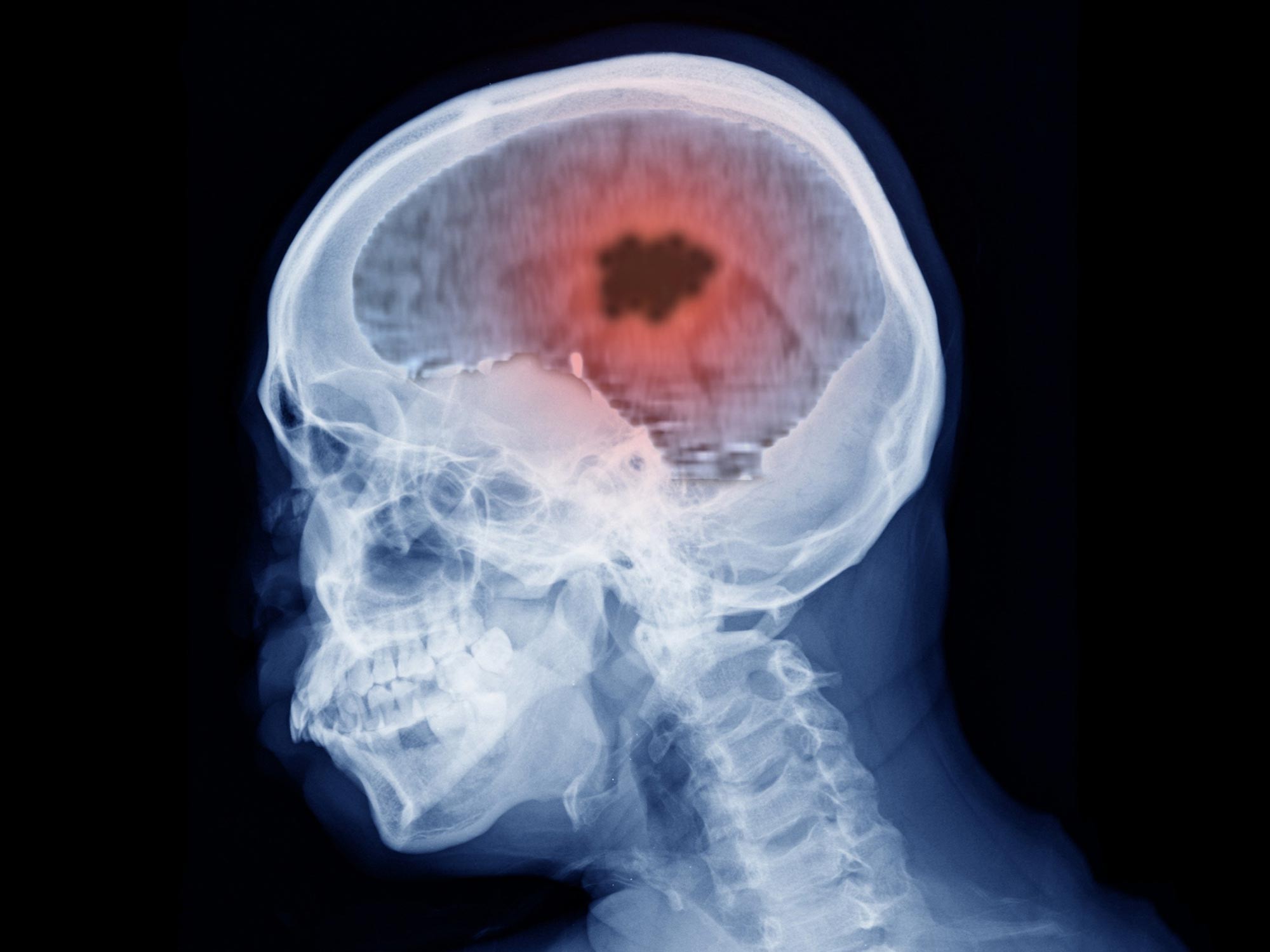
Glioblastoma is tough. Really tough.
Most patients survive a year after diagnosis. Maybe a bit longer. The problem isn’t that we can’t kill cancer cells. It’s that we can’t reach them. The brain is protected by a fortress called the blood-brain barrier. It keeps out pathogens, sure, but it also blocks nearly every good drug we have.
Now there might be a way in.
Researchers are looking at a modified vitamin B12. Not the kind you buy in a bottle at the store, though. This is nitrosylcobalamin (NO-Cbl). It releases nitric oxide. It acts like a key slipping through a lock.
“NO-Cbl crosses the BBB and accumulates selectively in brain tumor tissue,” the team writes.
Joseph A. Bauer led the work. He’s from Nitric Oxide Services and the Cleveland Clinic Taussig Cancer Center. The findings landed in Oncoscience. It’s early stuff, yes. But early wins count when you’re playing a game where the house usually wins.
Testing the Waters
They didn’t just guess. They tested it everywhere.
- NCI-60 human tumor cells
- Rats with glioblastoma
- Human cell lines mixed with existing drugs
The compound moved. That’s the headline.
It crossed the barrier in the rats. Systemic administration means they didn’t have to drill into skulls to inject it. The drug traveled through the blood and ended up exactly where it needed to be: inside the tumor tissue. Normal brain tissue didn’t hold onto the nitrate. Tumor tissue did. Elevated levels stayed there for over 24 hours. Normal tissue flushed it out.
This suggests targeted delivery. Nitric oxide doesn’t just float around poisoning everything. It sits in the tumor microenvironment like a bomb set to a slow timer.
Cobalamin metabolites stuck around too. Brain tumors held more than other organs did. Specificity matters. Without it, you’re just hurting the patient faster.
Teaming Up with Old Guns
Monotherapies rarely cure glioblastoma. Alone. NO-Cbl wasn’t a solo act in the next phase.
Researchers paired it with two established treatments: TRAIL and temozolomide. They used U87 and D54 cell lines. Standard suspects.
The combo worked better than either alone.
Significantly better. The math backs it up. Combination index analysis showed synergy. Different doses played well together. It wasn’t just adding effect A plus effect B. It was 1+1=3. Or 10. The interaction made the cancer cells stop multiplying. Hard stop.
Doesn’t it seem obvious we should be looking for delivery methods more?
The authors are clear about this pilot study. It proves the concept. It penetrates. It accumulates. It synergizes. These are big three hurdles. Most drugs fail one or all three. NO-Cbl clears them. At least in models.
Breaking the Resistance Wall
Resistances builds up fast in brain cancer. Tumors learn how to ignore drugs. They find escape hatches.
NO-Cbl seems to jam those hatches.
Previous data suggests the compound triggers apoptosis. Programmed cell death. It uses caspase-8 to start the signal. It suppresses NF-κB. That pathway helps cells survive stress. Shut it down. The cell dies. It also enhances TRAIL receptors. S-nitrosylation makes those receptors listen again when they were previously ignoring the death signals.
It attacks the defense mechanism from the inside. Temozolomide-resistant models became sensitive. That changes the equation for patients who ran out of options.
But wait. This is science, not magic.
The team admits the gap. Translational pilot. Lab results. Next comes orthotopic validation. Real brains, real doses. Long-term tracking of that nitric oxide is still ahead. More mechanism studies. Safety. Doses.
None of that is guaranteed. Many compounds look great in dishes. They fail in people.
Still. A vitamin B12 analog sneaking into a deadly brain tumor and teaming up with chemo. That’s a new board for neuro-oncology. The fortress has a crack.
Whether we can push wide enough depends on what comes next.
Reference: “Selective blood-brain barrier penetration…” by Bauer et al. Oncoscience (2026).