Forget the worm. That early bird wasn’t just looking for breakfast. It was after a seed. A very specific one.
That realization meant a 04:00 BST alarm. For me and a dozen other volunteers at Calshot Beach near Southampton? Even earlier. The tide was unusually low in the Solent. The water receded enough to reveal a submerged crop. Conservationists are betting their hopes on it to rebuild a damaged coastline.
Seagrass seeds.
Like trees, this plant has a superpower. It absorbs massive amounts of carbon dioxide. A single area of seagrass absorbs 35 times more carbon than an equal area of tropical rainforest. It locks carbon away. It releases oxygen back into the air.
But the UK has lost more than 90 percent of its seagrass meadows in the last century. Disease, pollution, and physical disturbance have left vast swathes of green seabed bare.
After a quick briefing in a parking lot, we headed down to the water. Buckets in hand. Fingers ready to dig.
Leading the charge was Tim Ferrero from the Hampshire and Isle of Wight Wildlife Trust, a self-proclaimed seagrass supremo.
“Seagrasses are the only marine flowering Plants,” he explained. We moved slowly through the shallow meadow.
“They do everything that a land plant does. They flower. They pollinate. They set seed. All underwater. Basically, we are collecting seed from an existing meadow to plant elsewhere and recreate these habitats.”
For the experienced collectors, the buckets filled fast. For us newbies? The seeds were few and far between at first. You need time to get your eye in.
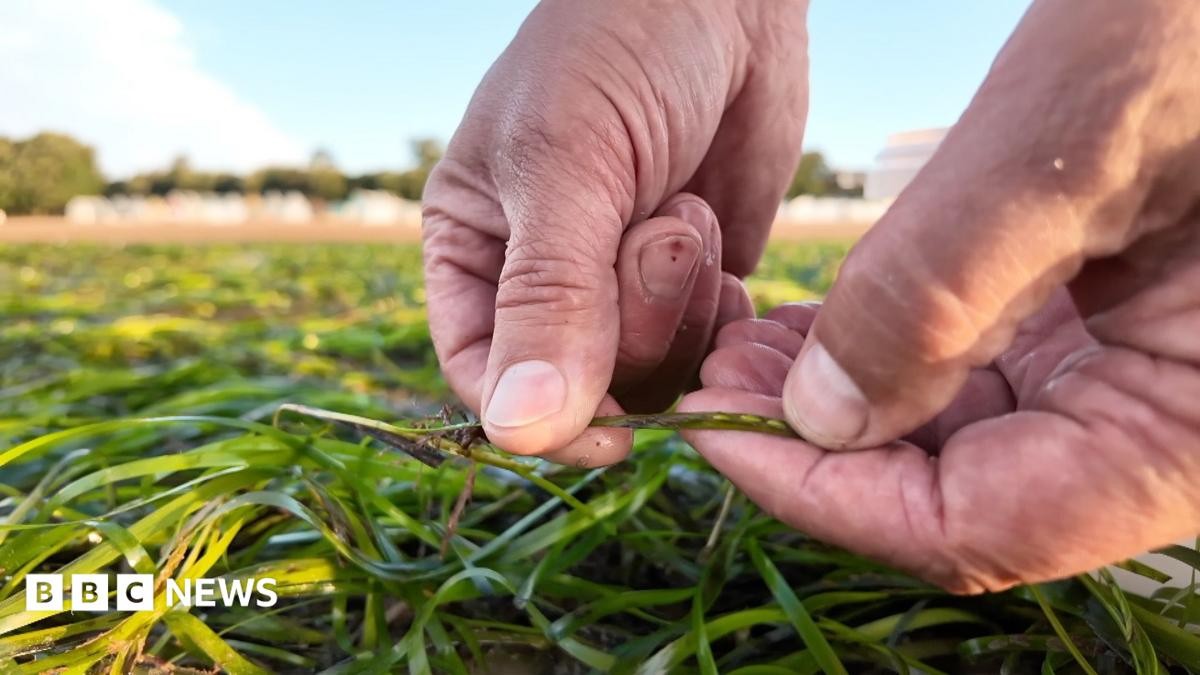
You are looking for a specific part of the plant. A pod-like leaf called a spathe. It’s rounder. Paler. Distinct from the dark, flat blades surrounding it. The seeds sit in a neat row, slightly raised above the surface when ready.
Sometimes it’s just feeling around. You look for short stems that feel packed like Tic Tacs, volunteer Sophie Whitemoor said.
James Harper was crouching next to her. Still refining his technique. He focused on finding the roundest stems.
Despite the 4am start, the group was upbeat.
“It’s a passion,” Jackie Mellan told me. “Any chance I can help with restoration projects, I take it.”
We sifted through the flat meadow for an hour. The tide was turning though. Time ran out. The small army retreated to shore.
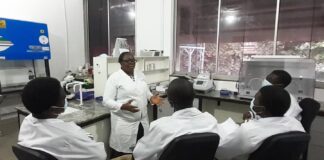
Back in the car park, the haul went into barrels of cool seawater. The destination? The University of Portsmouth’s Institute of Marine Sciences at Eastney.
Large blue tanks awaited. The spathes would begin a process called “rotting out.”
“It takes eight to twelve weeks to complete,” Ferrero said. He was in a lab coat now, adding handfuls of Calshot plants to the tank.
As the plant decays, it turns black. Workers use sieves to catch the dead matter. The viable seeds fall through to the bottom tub.
Once separated, the seeds go into high-salinity storage. Winter is coming. They’ll stay in chilling tanks at 1-3°C.
But the work isn’t done. Come spring, the alarm goes off again. Volunteers return to sow what was gathered in the dark.