They were feared. Feared for their horses, their ferocity, and the sheer speed of their raids across the Eurasian steppe.
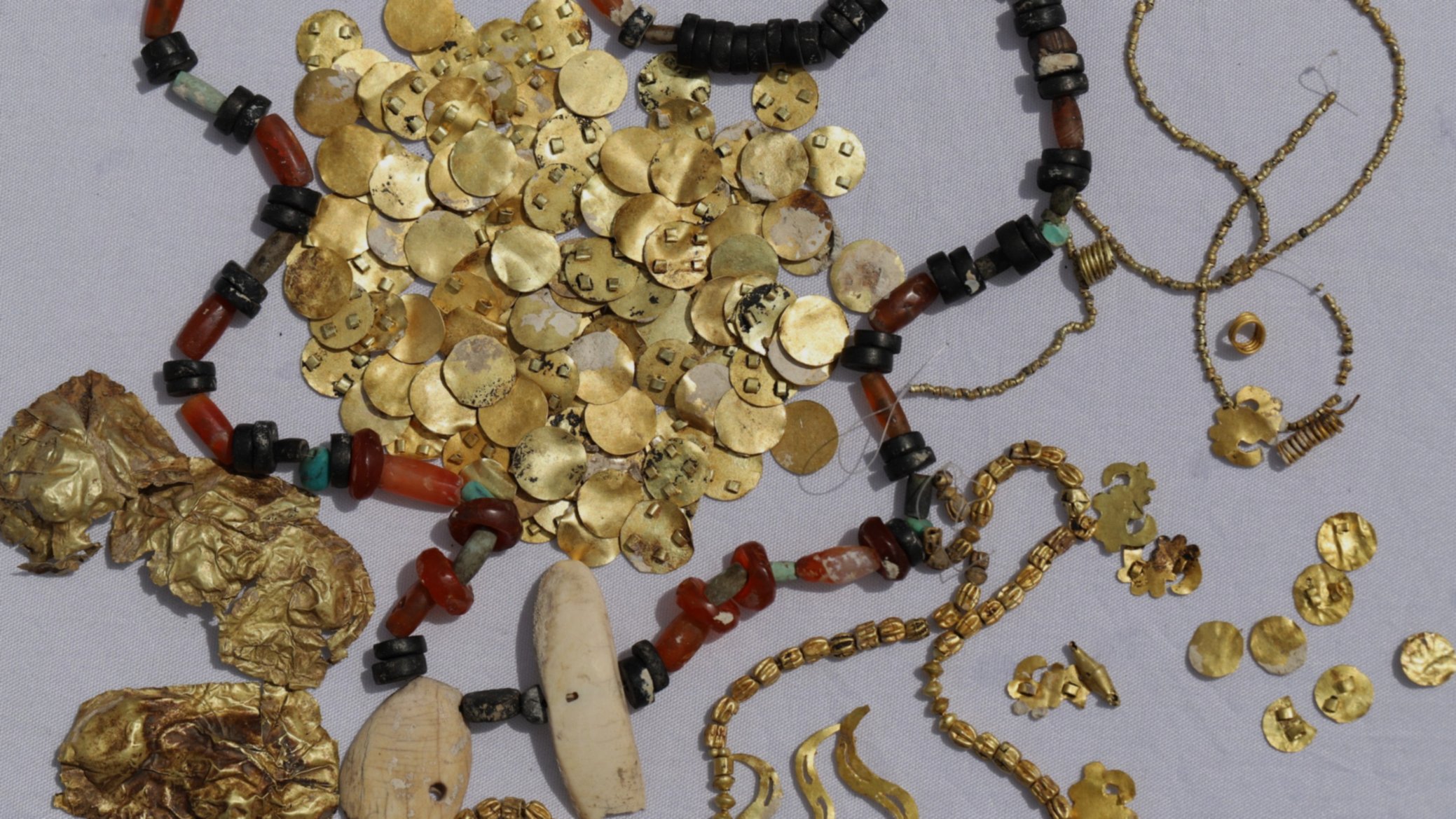
The Scythians left no writing. No grand libraries. Just bodies. Lots of them, stacked in mounds called kurgans, glittering with gold and wrapped in leather that still bears the marks of their tattoos.
Greek writers like Herodotus gossiped about them for centuries. They spoke of Amazonian women warriors who fought beside men. They wrote of tattoos. Of animal motifs carved into jewelry that could pay off a city.
But were they really egalitarian? Were all warriors equal under the sky?
Or was it a family affair?
A new study, published July 3 in Science Advances, sequences the DNA of 85 Iron Age bodies. The answer is yes. It was a family affair. A big one.
The Bloodline Matters
Researchers looked at skeletons from 20 different sites, dating back between 900 and 020 B.C. That is when the grassland nomads started organizing themselves differently. Before then, social structures were fuzzier. Around 900 B.C. inequality crystallized.
The team sequenced 38 elites. These were the big burials. Gold weapons. Rich goods. They sequenced 47 non-elites. Small graves. Few possessions.
The gap was biological.
Elite individuals were 11 times more related to each other than to anyone outside the group. That isn’t chance. That’s a ruling class.
Two biological brothers turned up. Buried miles apart, yet genetically linked. A brother and sister. A parent and child. Even grandfathers buried near their grandsons. They weren’t just powerful; they were relatives.
“It is possible that this indicates some degree… of geographic centralization…,” Ainash Childebayea, a genetic anthropologist from UT Austin, told Live Science. “In Siberia there is an area… that contains many large mounds… that are likely elite.”
Non-elites were scattered. Elite kin stuck together, or at least within reach of their own kind. A centralized power base, built on blood.
Women Held the Gold Too
Did women fight? Did they rule?
Ancient texts say yes. Modern genetics backs it up.
Nearly half the elite samples in this study were female. Not peripheral. Not secondary. Elite.
Ayshin Ghalichi from the Max Planck Institute points out this isn’t just presence. It is status. Women in Scythian society held high ground. Equal, practically. The Amazon myth might have had a grain of truth after all, buried beneath centuries of romanticization.
The Mystery of the “Golden Man”
Some mysteries stubbornly resist solution. Like the Golden Man.
Found in 1969, Kazakhstan. A teenager. Seventeen years old, bone-wise. Buried with over 4,000 gold objects. A silver bowl bearing an undeciphered script.
He—he was assumed to be a he, traditionally, though bones lie—became a symbol of the Kazakh identity. A powerful male warrior prince.
DNA finally weighed in. Low-coverage, but telling.
Genetically, the Golden Man was almost certainly male.
But here is the twist. The DNA showed no relations to any other sampled individual. An isolate? Or did his family line end there?
His age says everything. Seventeen. Dead young, buried in the lap of luxury. Status wasn’t earned in the saddle. It was inherited.
A one-year-old grandson buried in an elite kurgan next to a grandfather says the same thing. You are born rich. You are buried rich. The inequality of 900 B.C stuck.
No Neat Bow
So the steppe wasn’t a wild west of free souls. It had hierarchies. Dynasties. Old money.
The Greeks saw chaos. The bones see structure.
Does this mean the warrior ethos was a front? Maybe. Maybe not. You can ride hard for your uncle.
The Scythians vanished around 200 B.C, defeated, absorbed. Their DNA lingers. Their mummies talk now, but they only confirm what archaeology suspected: power stays in the family.
We think we know history because of who wrote it. But dirt holds secrets better. What else are they keeping?