It’s June 19, 25 days into the cycle, and the sky is refusing to be subtle.
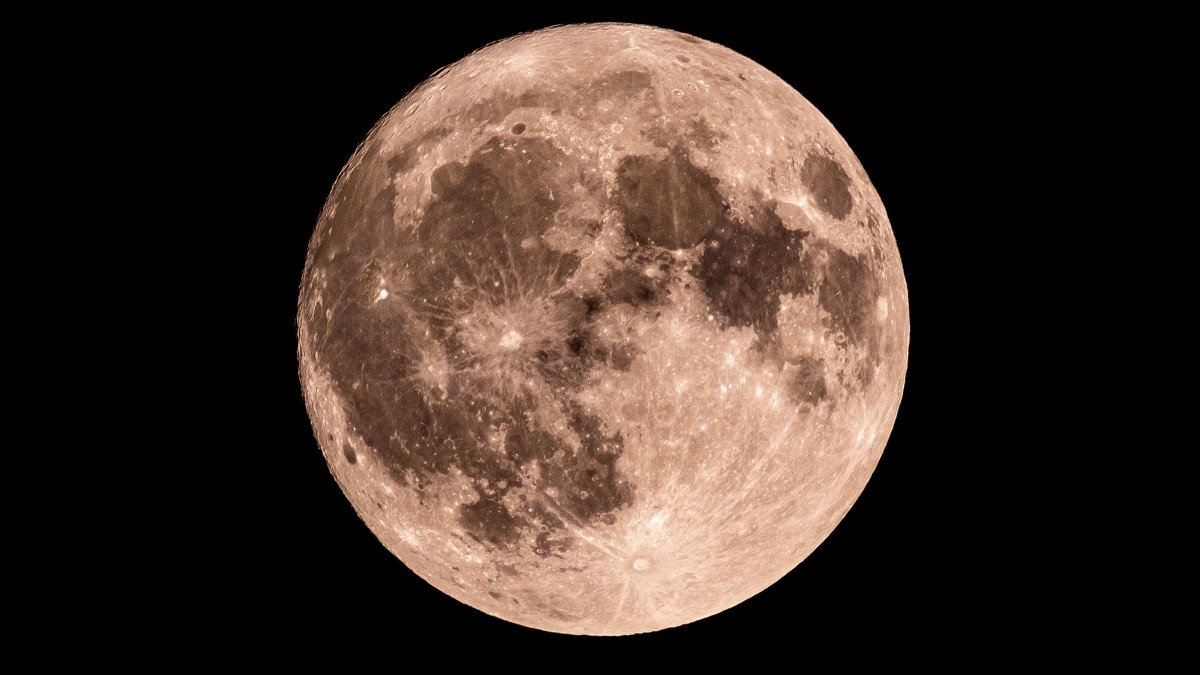
The moon isn’t hiding anymore. It’s a Waxing Crescent tonight, swelling from a shy sliver into something that actually demands your attention. According to NASA, about 33% of that rocky sphere is lit up right now.
Not much to a novice. Plenty for someone who bothers to look up.
What You’re Actually Looking At
You don’t need gear. Your naked eyes will show you the basics. Specifically, you’ll catch the Mares Fecunditatis and Mare Crisium. Those dark patches. The seas that aren’t water.
Grab binoculars. The view jumps. You’ll spot the Endymion Crater, sitting there like a pockmarked eye watching you back.
If you own a telescope, you’re in for the history lesson. The optics open up to show you the Apollo 17 landing site. Plus Mare Nectaris. We stood there once. It’s still there. Waiting.
The Timeline
The full reveal comes early. June 29 marks the next Full Moon. Ten days until the thing looks like a dinner plate stuck in the dark.
Why Does It Do That?
Here is the mechanic. NASA says the moon orbits Earth every 29.5 or so days. Eight recognized steps.
The catch. The moon always keeps one face pointed at us. That side never changes.
The light changes. The sun hits different angles as the moon travels. One moment it’s a thin ghost, next it’s half-lit, then blazing white. We call it the lunar cycle. It’s just geometry dressed up in mystery.
New Moon means the dark side faces us. Between us and the sun. Invisible. You can’t see nothing, literally.
Then it waxes. Right side lights up if you’re in the Northern Hemisphere. A sliver becomes a curve. First Quarter hits, and it looks like someone took a bite out of a cookie. Half dark, half light.
It keeps growing. Waxing Gibbous. More than half. Teasing the full thing.
Full Moon. All of it. Bright and glaring.
Then it breaks down. Waning Gibbous. Light leaves the right side first. Third Quarter arrives. Another half-moon, but now the left glows. Waning Crescent follows. A final sliver on the left.
Then darkness returns. The cycle repeats. We do too, watching the same face get dressed in light, over and over again. Is it romantic? Sure. Or maybe we just like things that keep coming back.