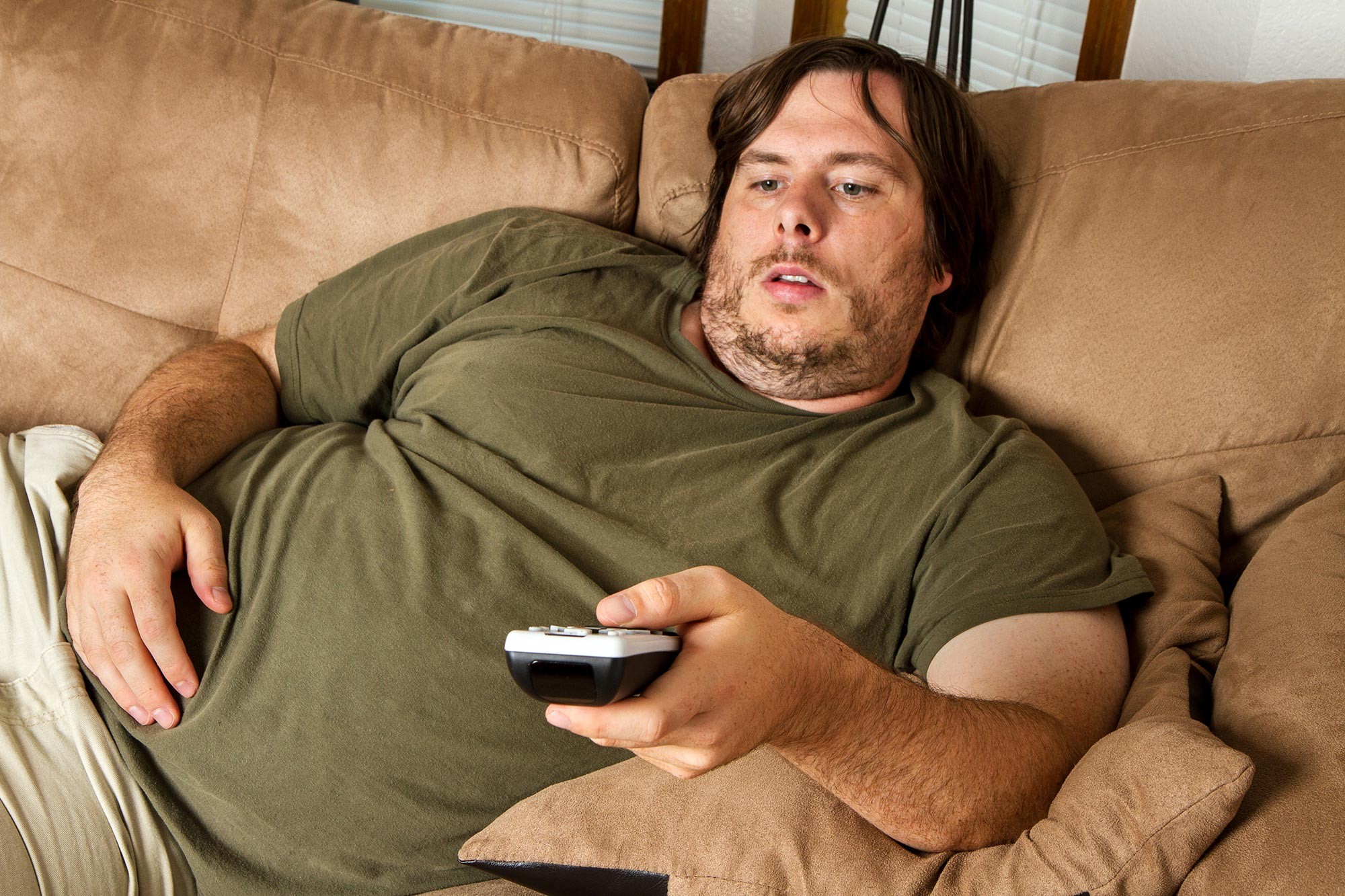
We know sitting too much is bad for you. That’s not new news. But the real problem isn’t just how long you sit. It’s that you do it all at once, in one solid chunk, without getting up.
A massive study just dropped. It came out on July 2 in PLOS Medicine. Frederick Ho from the University of Glasgow led the team. They looked at data from over 91,000 people. All wore activity monitors for a week. Then researchers tracked them for about twelve years.
Here is what they found.
Every extra hour you spend in a long, uninterrupted stretch of sitting increases your risk of dying from cancer by 9%. Not nine percent overall. Nine percent more cancer mortality. Just for that extra hour of doing absolutely nothing.
How we sit might matter as much as how long we sit.
The Difference Between Bored and Broken
Most of us think sedentary time is sedentary time. It’s not.
The team split the data into two buckets. One was “prolonged sedentary behavior.” That means thirty minutes or more of sitting with barely any movement. Less than 10 percent non-sitting time.
The other was “interrupted.” This is sitting where you get up more often. Even small movements count.
The people in the prolonged group? Higher risk. Much higher. They faced a greater likelihood of dying from cancer and developing it in the first place. We’re talking about obesity-related cancers like colorectal, pancreatic, liver, and breast cancers. Plus cancers tied to type 2 diabetes.
But the interrupted group saw the opposite. Lower risks across the board.
It doesn’t take a marathon to fix it. Swapping one hour of long sits for light activity dropped cancer death risk by 12%.
What is light activity?
It’s walking around the house. Standing while you take a call. Folding laundry. Standing up to scratch an itch that turns into pacing the living room.
These little breaks help regulate blood sugar. They help move fats around. Extended sitting disrupts those metabolic processes. Getting up hits the reset button.
“Our findings suggest that the health effects… may depend… on whether that time is accumulated in prolonged bursts or interrupted by activity,” the authors wrote.
Makes sense biologically. Short bursts of movement improve metabolic responses compared to staying still.
Why This Isn’t A Simple Fix
Don’t get too excited yet. Correlation is not causation. This study showed a link, not proof that sitting causes cancer.
Also, the volunteers were from the UK Biobank. That group tends to be healthier than average. The “health volunteer bias.” These people were already pretty active to begin with. The results might not apply to everyone.
And the monitors only ran for seven days. One week doesn’t show your lifetime routine. Researchers didn’t know why people were sitting. Were they working? Watching Netflix? Sleeping awake? We don’t know.
Still.
You can hit your exercise targets. You can jog four times a week. But if you spend the rest of the day glued to a chair? You’re still at risk. Exercise doesn’t cancel out the damage of sitting still for nine hours straight.
The takeaway isn’t “never sit again.” That’s impossible. The message is smaller.
Move more often.
Don’t just think about the gym. Think about the hour between lunch and three p.m. Stand up. Walk to the bathroom on a different floor. Stir the pasta vigorously.
“Light movement shouldn’t be ignored.”
Guidelines focus on intense cardio. Maybe they should look at the little stuff first.
Will personalized advice replace the generic “sit less” mantra? Probably. But until then? Try not to fossilize in your chair.
It might actually kill you.
Reference: Ziyi Zhou et al. “Accelerometry-measured prolonged and intermittent sedentary behavior…” PLOS Medicine (2 July 2024).