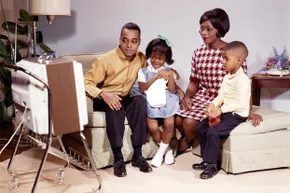
How the #Emmys took TV from novelty to luxury
You’re probably sitting right now staring at a big screen that cost more than your first car. Click. Do you understand. Browse. It’s easy to forget that this feeling of comfort doesn’t just come out of nowhere. Getting to where we are today required decades of messy and expensive breakthroughs.
Do you remember 1948? Only 0.4% of US households owned a television. That’s less than one in 200 people. Most people still listen to radio drama and imagine the plot in their head. Then the box arrived. It’s small. It’s black and white. It’s expensive. In seven years, the figure had risen to 55 percent. By 2014, 116 million homes were connected to some form of display.
This increase is not only due to larger screens and improved picture quality. It’s about how the content is produced. The text is now clearer. Production is about to get even crazier. Production techniques have evolved from live studio broadcasts to cinematic storytelling. We stopped thinking of television as background noise and started thinking of it as art. At least we start behaving like art.
The industry needed a way to legitimize this new media. They need a reward. So they created the Emmy Awards.
Birth of the Emmy Awards
Before the Emmys, television was considered cheap entertainment gimmick. The first Emmy Awards were held at the Hollywood Athletic Club in 1949. There are only 25 categories. The list of winners is short. The prestige back then was non-existent compared to today’s glitzy TV shows.
But the purpose is clear. The Academy of Television Arts wants to honor this medium. They wanted to prove that television could compete with drama and movies. Early rewards were modest. The prize itself is simple. But the message was big. Television is important.
Over the decades, the Emmy Awards have growned along with the media. They have become the gold standard. Winning one means you’ve mastered your skill. It opens the door. It was a career changer. It changed the cultural conversation.
Today’s Emmy Awards were a huge success. But they were necessary steps in television’s transformation from a novelty to a dominant cultural force. They force the industry to get serious. Thus, I was able to see the small screen differently.
What is the rest of the story? What is important is how this prestige affects the viewer. How money changes behind the scenes. And how it set the stage for the golden age of television.
This is just the beginning of the transformation.
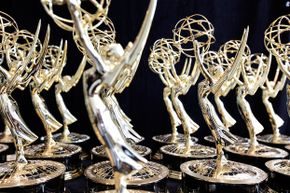
How an #Emmy win actually changed a TV career and a network’s fortunes
Casting costs for the 2009 Primetime Emmy Awards range from $300 to $400. However, gold plating is dangerous. Actual values are affected. The Emmys don’t just sit on the shelf. It changes the trajectory. It opened a previously locked door.
This dynamic has been built into television from the beginning. At first, the award was limited to US productions. By 1950 things had changed. Suddenly, shows produced outside of Los Angeles could compete. The gatekeeper opened the door. The effect is widespread.
Evaluation is salvation
The internet is obsessed with numbers. But they are also obsessed with fame. Although the Nielsen ratings have stalled, the Academy can keep the show alive. The Emmys serve as protection. This gives executives a reason to keep funding shows that no one watches live.
30 Rock is a textbook example. When NBC aired the Tina Fey satire, the ratings didn’t peak. The numbers are average. In 2007, however, the show won an Emmy Award for Outstanding Comedy Series. This victory turned the scenario upside down. Suddenly, NBC saw the long-term value. Employees get a better office. The budget is stable.
The show has received 103 nominations and won 16 awards since it aired. Thanks to these accolades, the series remained popular long after viewership numbers dropped. Without institutional recognition, the show might have been canceled years ago. Reputation buys time.
Career starter plate and network confirmation
For actors, the Emmys are a golden ticket to advance acting. It tells Hollywood that you are a talent worth investing in.
Take Katherine Heigl for example. In 2007, she won an Emmy Award for her performance on Grey’s Anatomy. This award not only increased her profile on television; It took the film industry by storm. I started getting calls from the studio. This award is a testament to her range and star power.
In smaller networks, the risk is even greater. They need to prove that they offer more than just reality TV. they are building a brand.
FX rose to prominence again in 2002 when Michael Chiklis won Best Actor for The Shield. This show is very violent and niche. But Chiklis’ win signals quality to advertisers. FX is not a dumpster. It is known for high-quality programming. Advertisers signed on. The revenue stream is stable.
AMC did the same trick on an even bigger scale. This “small but talented network” proved that it can compete with the giants. “Mad Men” and “Breaking Bad” swept the awards. Season after season. The Emmy Awards recognize AMC’s brand. This transformed the network from a niche cable outlet into a major player in premium programming.
9: Nielsen Rating

We had a great show. The script is sharp. Actors are trying to complete their arcs. But is it still there when no one sees it? The Nielsen ratings exist to answer this cruel question. It just doesn’t tell who’s watching. See how long your audience is glued to the screen. And while you’re at it, you can also see what they’re eating (unfortunately, the snack data is still being developed).
Nielsen started collecting this data in 1950. This approach is surprisingly low-tech. The meter is connected to the TV. What they watch. This information is sent to the computer center. Across the United States, households were selected to represent the country’s demographic and racial distribution. Their viewing habits became representative of national tastes.
These numbers determine which series will be retained and which will be cancelled. But the real power is in advertising. Better ratings mean advertisers spend more money to get their ads in front of millions of people. Ratings alone is not enough. Advertisers need certain demographic information. If you’re selling a luxury car, you don’t want your ad to get in the way of a 6-year-old cartoon. You need a target audience. Its purchasing power. Disposable income.
Advertising dollars are everywhere. they are everywhere. Without ads and online campaigns, the average hour-long TV series is shortened to about 40 minutes. Some may think that 40 minutes is too long. In any case, content is secondary to ad time.
The price of attention
8: Advertisement
Ad breaks are not an afterthought. It’s the engine. Networks need these breaks to fund production. Without these, modern televisions would lose their “premium” feel. You start looking at the clock. Calculate content minutes and ad minutes.
Why do advertisers care so much about certain demographics? Because targeting works. Detergent brands can be aimed at parents. Game consoles are aimed at young people. If the ratings indicate that the show has a highly concentrated audience, advertising rates will decrease. It’s that simple.
Nielsen data provides evidence. Confirm your placement. It tells brands exactly where their money is being spent. It also tells the networks which shows are making an impact. The higher the rating for a particular demo, the higher the cost of the ad. Low ratings mean the show is in jeopardy. Not just from competitors. But basically,
TV meters do not judge. It’s just a record. The people in the control room interpret the information. They adjust their strategies. They changed the programming. This cycle repeats itself. Weekly. For every season. Forever.
What happens when streaming metrics replace traditional Nielsen metrics? The game has changed. But for now, the numbers still rule. These numbers guide advertising. It drives the show. This is a cycle. you are inside You might not understand it.

Termination of individual sponsorship
The “ZINE concept” changed everything. NBC doesn’t sponsor just one show. They sell ads for dozens of different brands in one broadcast. This is how television works these days. At the time, it was a revolution.
Before this change happened, advertisers were hesitant. Radio has been mainstream for many years. Why switch? The 1941 Bulova ad was short-lived. It lasted until the 1950s. Then Americans became obsessed with boxes in their living rooms. Seeing is believing. Increases brand awareness compared to audio ads alone.
The company sought to sponsor the entire series. Craft TV Hour. Colgate Comedy Hour. It’s expensive. Very expensive.
There are reasons to change models. In the late 1950s, quizzes were rigged. twenty one. A $64,000 problem. The producer gave his favorite answer. The public was furious. Individual sponsors disappear because people get hurt.
7: TV news
The news does not follow the same trajectory. It started as a short clip. A few minutes after the end of the broadcast. This is not the main event. But it has grown.
The structure is different. No sponsor owns this information. Why? Because reliability is important. If a toothpaste brand is paying you for nightly updates, you want to know what they’re missing. Magazine design is a hobby. Lose confidence.
Journalists need space. Time has been extended. This can take anywhere from a few minutes to 30 minutes. And then to the golden age. The content has also changed. Read lead stories less often. Further analysis. More opinions.
These developments have shaped the way we consume information today. The shape remains unchanged. But what about the sauce? Here’s the real story.
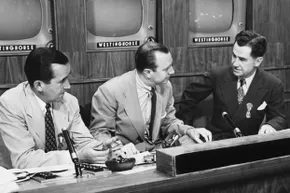
The glow of early television screens wasn’t just for fun. It has weight. Serious content is here to stay. In the 1950s, journalism was not a sophisticated studio production. This is a patchwork of mini broadcasts. News series provide visual content. The radio sound moves behind the camera. They replaced the microphone with a lens. The public trusts these faces. you can trust them.
Edward R. Murrow took advantage of this trust. In 1954, he turned his lens on Joseph McCarthy. His coverage of the anti-communist hearings was more than informative. As a result, the investigation was suspended. It shows the power of reliable sources.
The evening news became a family ritual. Walter Cronkite ran CBS in the 1960s. He hosted the first nightly 30-minute broadcast. This form defines the genre. NBC followed suit. The Huntley-Brinkley Report also entered the fray. ABC’s response was slow. They started their own evening news only in 1967.
One thing changed everything. President John F. Kennedy’s funeral in November 1963. Television takes center stage. More than 90% of American households own a television. This media has proven its impact.
6: Movie release
The film experience spread to the West. Hollywood studio version. We don’t just sell tickets. They bring the magic of the big screen into your living room.
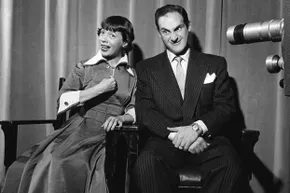
Why early television didn’t have live broadcasts
We want to romanticize the times we live in. The idea “Saturday night, live from New York!” paints a picture of amazing, unrepeatable magic. This is more than just a sketch show. This was the pinnacle of broadcast tradition, and the mistake was forever preserved. If you made a wrong line in the 1950s, you didn’t have to start over. The camera continued to roll. The audience watches you sweat.
Show of Shows, starring Sid Caesar and Imogene Coca, exploits this danger. Scripts are instructions. Performance is action. Nothing should be taken for granted. It’s rope making without a net.
There is no rest when it comes to drama. The screenplay written by Paddy Chayefsky and Rod Serling feels original, even though the scenes are sparse. Paul Newman and Angela Lansbury bring the most intense stage craft you’ll ever see to the small screen. It’s simple, but not at all simple. You can feel the electricity.
However, the “live” trick didn’t last long. In the 1950s, the industry had changed. Film programs began to replace live broadcasts. This is not just a safety issue. It’s about expansion.
Syndicate money making machine
When a show is made into a movie, the directors can do things they can’t do on live TV. You can request different camera angles. You can move it outside the four walls of your studio. They can tell stories about police procedures, courtrooms, hospitals and mysteries.
There are also financial incentives. Syndication.
The live broadcast was shown and then disappeared. Filmed programs live forever. Studios realized that they could sell the same episodes over and over again to different markets. Petticoat Junction wasn’t posted just once. It will be sent forever. It’s a treasure trove of content.
This change changes everything. Create an index. It creates a legacy. It has also created new demand for content that can be distributed cheaply through broadcast television.
The golden time of Saturday mornings
The demand for quantity drives the market. The network should be full on Saturday morning. Parents either work or sleep. The children are at home. The audience is captivated.
Cartoons stays within your budget. It can be manufactured cheaply. Distribution is easy. It is already very popular in theaters. Moving to television was a natural progression.
Saturday morning cartoons became a cultural thing. They are more than just entertainment. They are rituals. Every Saturday morning, the children sit in front of the television. They were looking at the same loop. they bought the goods. they live in that world.
The transition from live theater to film syndication to Saturday cartoons was no accident. This is a reaction to the economy. This is the answer to technology. This depends on what viewers actually watch when they are not tied to the stream.
The magic of the “live” moment was gone. It has been replaced by tape reliability. For a generation, that tape was played every Saturday morning at 8 o’clock.
By 1951, children watched 27 hours of television a week. The format reflected the golden age of broadcasting, dominated by hit action-adventures like “I Love Lucy” and “Sky King,” while puppet productions like “The Howdy Doody Show” and “Kukla, Fran and Ollie” appealed to younger audiences. Each half-hour episode fills the late afternoon and evening. By the mid-1950s, Saturday mornings officially became “kid time.”
The changes of the 1960s had nothing to do with culture and money. As the cost of animation fell, so did live-action children’s shows. Animators used the assembly line method. Animators gave characters a half-frame with limited, repetitive movements. The cost-saving effect cannot be denied. Saturday morning has established its role as the most important television time slot for teenagers.
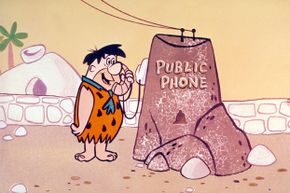
Primetime cartoons also exist. *The Flintstones debuted on Friday night in 1960. Its main characters are a civilized caveman and his family. Do not consider this a children’s show. For families watching prime time Yabba-dabba-doo is a household catchphrase, not a children’s vocabulary.
Animation economics
There was only one reason for the decline of live-action children’s shows in the 60s: budget. Animation allows networks to produce content at a fraction of the cost. Live-action performances require payments for actors, sets, costumes and the venue. Animation requires ink, paint and storyboards. The limited animation approach means that the characters move just enough to convey the action. Because of this efficiency, animation became a mainstay of children’s broadcasts.
Why are there so many Saturday mornings?
The network identified an unused audience. Parents work every weekday. Children have free time on weekends. Saturday mornings became time dedicated to this group. This is a solid block. Viewership remains the same. Advertisers love this predictability. From a young age, children have looked forward to seeing cartoons in that window. It becomes a ritual.
Pay TV and cable TV
With the rise of cable television, things have changed again. Pay TV offers more content. This frees the program from the limitations of free schedules. The network is no longer dependent only on Saturday mornings. But the foundation has been laid. The low cost of animation gave birth to a generation-defining genre.
“The cost-savings are undeniable.”
Its effects lasted for decades. Cartoons became a cultural staple. They shape childhood. They influenced art and humor. This economic model has proven to be sustainable. The network is in continuous production. The audience continued to watch. This is a simple equation. Low costs. High commitment.
Distribution changed with the transition to cable TV. The charm remains the same. Children still want stories. They still want color. They still want action. Animation fulfills these three points. Live-action movies can’t compete on price. You cannot recreate a fantasy. The investment is simply not worth it.
Saturday morning remains an iconic time. It was a specific time with concrete feelings. A shared experience. Families get together. Children wake up early. The TV is on. It is a ritual based on economics. It’s a habit built for convenience. This is a timely moment.
The legacy remains. Streaming services now offer endless amounts of cartoons. The model has evolved. The core remains the same. Children’s content is very profitable. The animation is very effective. the network followed

For decades, free TV seemed to be the only option. Then in 1972 HBO arrived. It changed everything.
So far, there have been three major networks for viewers. Or a public broadcasting company. Or local independents. Suddenly an unedited video was playing on my TV at home. No ads. Next up is a boxing match. comedy special. Original programming. This is a gift.
But progress was slow. Enjoying HBO doesn’t happen overnight. Followed by WTBS in Atlanta. By the end of the decade, cable television had 16 million subscribers. That’s a good start. But that’s not enough.
Growth requires deregulation. The Cable Television Act of 1984 encouraged investments. The popularity of pay television is growing exponentially. According to a report by the California Cable and Telecommunications Association, in the late 1980s, 53 million households owned cable television.
Satellite networks became popular over the next decade. In the 2000s, 70% of American households watched cable television. There is more.
How streaming is changing rewards
Other options have emerged. Consumers can watch TV shows through Amazon Prime. Netflix. Hulu.
Non-broadcast dramas also started winning awards. In 2013, things changed. “Homeland,” “Breaking Bad,” “Boardwalk Empire,” “House of Cards” and “The Newsroom” dominated the list of Emmy-winning drama series.
This is huge. It was not until the late 1980s that non-broadcast programs were allowed to compete. When you join the game, there are no restrictions.
3: Time shifting equipment
The way we see things has changed again. We don’t have to wait for the timeline anymore. I recorded it. The video recorder enables time shifting. Next is the DVR. Now everything is on demand. Control is in our hands.

“Sorry, I’m going to miss the show. We’re going to your uncle’s birthday party.” How many TV shows have you missed due to special occasions, work schedules or scheduling conflicts? Of course, there will always be reruns, but they don’t have the excitement of the first broadcast. The advent of video recorders in the 1970s freed up viewing habits. By the middle of the next decade, one in three American households owned a VCR. Americans took advantage of this and watched more television broadcasts. Only 25% of cable channels are recorded. While HBO’s subscriber numbers are down, its broadcast TV audience is up by 500,000 households.
TiVo is a digital video recorder that was introduced in 1999. Overall, DVRs increase the number of people watching scheduled programming. We may not meet on the agreed date. Viewers can watch the show at their convenience, but their challenge is also to avoid spoilers. Advertising has also had an effect. If advertising costs are calculated based on viewership and demographics, how should DVR recordings be calculated? When is it too late to think about it “later”?
2: Reality TV
Transition from script to reality
A VCR doesn’t change just by looking at it. It changes what we see. In fact, it gave the network the confidence to try things that seemed risky at the time. Before reality television took over the airwaves, the idea of airing an unscripted series in prime time seemed like a gamble. But as DVRs and time-shifting technology become the norm, viewers become frustrated with the slick and predictable plots of comedies and dramas. They wanted something raw. Something unpredictable. Suddenly the camera turns to real people instead of actors.
Why reality TV is becoming so popular
This is not just for convenience. It’s all about cost. It costs a lot of money to produce a scripted drama with writers, actors, sets and post-production. Reality TV? You need a crew and a contract. The difference in budget is obvious. The networks realized they could produce dozens of hours of programming for the price of one hour of “The Sopranos.” The audience responded. The public is tired of the same old stories. They want to see real conflict. It’s really embarrassing. It’s just chaos.
Real-time spoiler paradox
This is where DVRs present a strange new problem for reality TV. Scripted programs allow you to skip ads. You can fast forward the boring parts. But in real TV, every second is content. There are no “filler scenes”. If you paused in the middle of “Survivor” to skip the commercials, you may have missed an important alliance formed in Confessions. If you waited a week to see “The Bachelor,” your elimination results have already been leaked online. The “live” atmosphere of reality television is attractive. It created a cultural moment. When you look at it a month from now, the moment is over. The water cooler conversation continued.
Ads and non-skippable content
Reality TV has become a golden goose for advertisers. Or so they thought. DVR allows viewers to mute or skip commercials. However, reality shows have less commercial time than sitcoms. Their demographics are also different. a young audience who

Ever since MTV axed The Real World in 1992, the line between “real” and “produced” has blurred. It remains the granddaddy of the genre. The actors had their say. However, the producer is the one who formats the narrative. They presented viewers at home with an online version of reality. Manipulation of the environment has become a standard tool for producing drama.
After that, the competition intensified. Survivor and Big Brother came out in 2000. They changed the situation completely. Soon, radio stations were full of specialized formats. 2002 saw the start of dating shows like The Bachelor. Makeover shows like The Rescuers debuted in 2003. Information content like The Dog Whisperer found a niche in 2004. Lifestyle shows like “The Biggest Loser” and talent shows like “America’s Got Talent” in 2006 have filled the void.
The logic of economics is undeniable. Reality shows are very popular and very cheap to produce. Think about the economy in 2009. An hour-long episode costs $1-2 million. High-end dramas with large sets and elaborate sets have grown even more. A realistic payment plan? $100,000 to $500,000. The profits are huge.
But the challenges have bloomed. New unscripted series are coming. Very few are hits. This is a sad reality for networks looking for a quick return on investment.
The economics of unscripted television
Despite the genre’s low barrier to entry, why is it struggling to find its next hit? The answer lies in boredom. When all the networks are flooded with cheap content, viewers lose their attention. The public became cynical. They see producers pulling strings. The illusion of authenticity is destroyed.
The cost difference is still large. TV series require scriptwriters, location scouts, union workers and expensive post-production. Reality shows have handheld cameras and editing booths. It relies on the creation of charismatic (or controversial) characters who create conflict either organically or artificially.
But math no longer guarantees success. The web is producing more unscripted content than ever before. Supply exceeds demand. Most of these shows disappear after one season. They failed to capture the cultural spirit. They are no longer cultural touchstones like “Survivor” or “Big Brother.”
Why are there fewer and fewer hit reality shows?
Why do reality shows last so long? This used to be a novelty. The format is very fresh. All kinds of concepts are currently being tested. The public has seen it all. They know how the game works. Modifications can be anticipated.
It’s not just about the money. It’s about cultural meaning. The series has been able to build a loyal following over the years. Reality shows tend to be hot and fast. If the audience does not gather immediately, the event will be cancelled. A small budget helps, but it doesn’t guarantee commitment.
There are contradictions in the industry. We have more content than ever before. Production costs are low. But there are fewer long-term hits. The title “reality” feels more like a promise than a description.

Modern viewers don’t need television. They need screens. Any display.
The infrastructure of television production, including cameras, actors and lighting equipment, has remained largely unchanged. However, the delivery mechanism has changed. We are no longer anchored to the walls of our living room. “TV” is included in the content. You let it flow. Do you understand? You spend it.
This change is due to hardware that fits in a pocket or lap.
Smartphones and laptops are the most important tools in this new viewing age. Tablets? Their star dims. The market will clear up. People want portability and versatile usability. Cell phones have gotten smaller. It is easier to transport. Computers handle both work and entertainment. In the middle is a tablet. For many heavy users, that’s neither here nor there.
Economics is convincing.
Consider the cost of traditional cables. In 2011, the average bill was $86 per month. This number continues to grow. It’s attention-grabbing. You can buy a year of Hulu Plus for the same $86 now. Or watch Netflix for a year.
For traditional service providers, the math is brutal.
“Portable and cheap: what’s not to like?”
Platforms like Hulu and Crackle offer free plans. Yes, it is ad supported. But it’s still free. Even with premium services, cable TV prices drop significantly. You pay for convenience. For selection. There are no long-term contracts.
The device has nothing to do with it. Experience counts. Well, that experience is yours.
Why this change matters
It’s not just about saving money. It’s about access.
The distribution of streaming apps has been democratized. No need for a cable box. No parabolic antenna required. Requires an Internet connection and a device that can play videos. This left viewers disappointed. No one will ever have a “water cooler moment” again. There is a niche market. It is of particular interest.
For writers and producers, this means that content needs to be clearer. Something more targeted. The broad appeal of network TV has been replaced by the deeper appeal of niche streaming.
Hardware Realities
Laptops are popular for long viewing sessions. Offers better ergonomics. better sound. Bigger screen.
Cell phones are dominated by short bursts. Business trips. waiting rooms. Bedtime.
Tablets are awkward intermediate products. It’s fine for casual viewing, but lacks the processing power for intense gaming or the portability for quick checks. Their downfall was not a failure of quality, but a success of specialization. Why carry a third device when you can get the job done with two?
The industry is adapting. The application is optimized for touch. The user interface has been simplified. Our content library is carefully curated.
Television is dying. Long live content.