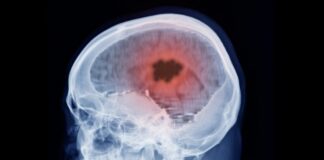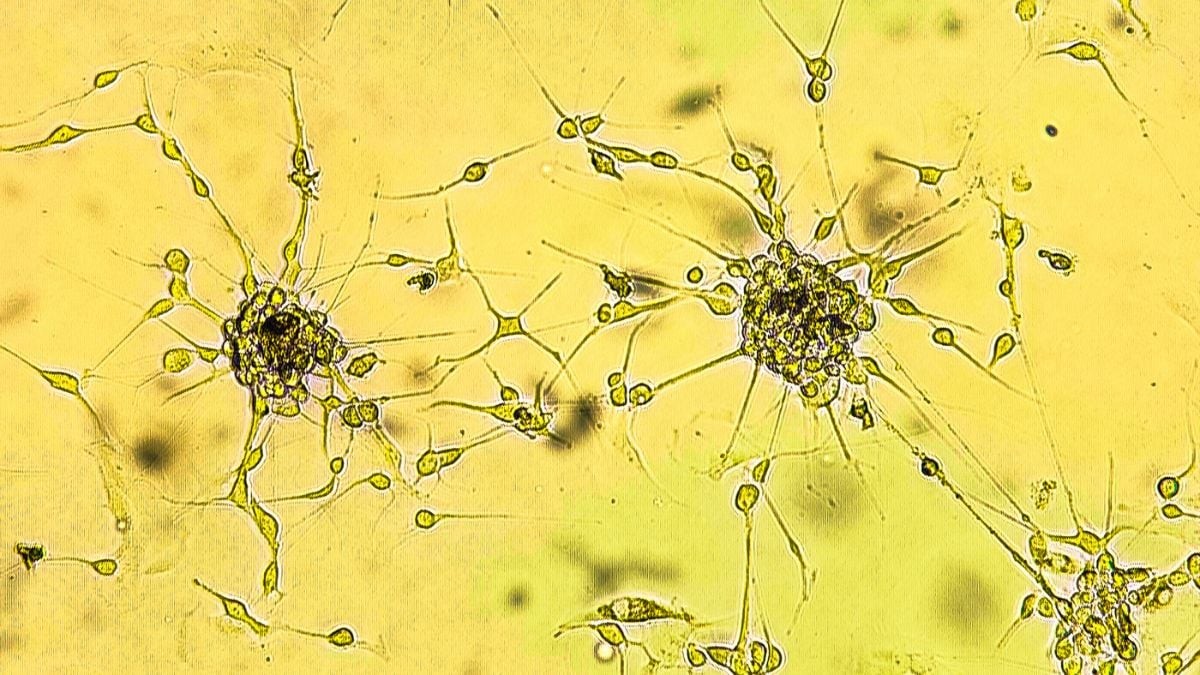
Glioblastoma is brutal.
It is widely considered one of the worst forms of cancer, resistant to most treatments. Even with surgery, radiation, aggressive chemo, you barely move the needle. Fewer than 30% of patients make it past the two-year mark after diagnosis. It’s grim.
Oregon State University scientists think they have a new angle. They are using nanoparticles disguised in sugar.
Published in the Journal of Controlled Release, their mouse study suggests this “sugar coating” does two heavy lifting jobs at once. It helps the particles bypass the blood-brain barrier and it targets the tumor itself, all without causing toxicity to major organs.
The Glucose Gambit
The sugar isn’t random.
The team used mannose. It is chemically close to glucose, which explains why the body lets it in. Both sugars sneak past the blood-brain barrier using a transporter molecule known as GLUT1, which sees them as essential fuel.
The problem? Blood is full of glucose. It crowds out competition.
“Blood contains relatively high concentrations of葡萄糖, and that’s what the nanoparticles compete against,” says pharmaceutical scientist Oleh Taratula, “For the particles to get in, they needed a densely coated surface.”
Their trick involved linking mannose to cholesterol, the primary building block of these nanoparticles. This packing allowed them to load significantly more sugar per packet. Suddenly, GLUT1 noticed them.
Targeting the Hunger
The payoff wasn’t just entry. It was selection.
Uncoated particles had a tough time. Sugar-coated ones reached the brain 9.96 times more effectively. Once inside, the mannose served another purpose.
Glioblastoma cells are starved.
They consume glucose at a rate far higher than healthy tissue, expressing GLUT1 at levels three times higher than normal. The nanoparticles accumulated precisely where they were needed, delivering messenger RNA (mRNA). These instructions tell the cancer cells to produce PTEN, a tumor-suppressing protein they have lost.
“Glioblastoma is metabolically rerouted,” notes drug delivery scientist Olena Tarata. “Restoring PTEN expression reinstates growth control.”
The Results
The data from the mice is stark.
- Untreated mice developed tumors occupying about 52% of the brain after 28 days.
- Mice receiving the treatment had tumor burdens drop to 2.3%.
Survival extended, too. From 33 days in untreated controls to 49 days for those with the nanoparticle therapy. Not a cure. But a meaningful shift.
Is this human-ready yet? Hard to say. Mice are not humans, and mouse brains behave differently than human brains, particularly in terms of barrier permeability. We still need trials involving human tissue.
But the logic is clean.
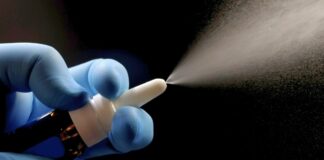
One strategy solving the delivery problem while simultaneously targeting the malignancy is rare. It is promising. Other methods, like nasal sprays to inhibit tumors or immune system boosts, are gaining traction, but this specific “packaging” approach might open doors for other neurological treatments, not just cancer.
“These findings establish mannose-choles terol lipid nanoparticles as a translational platform for mRNA therapy of glioblastoma,” the authors conclude.
Potential is there. The barrier remains the leap to the clinic.