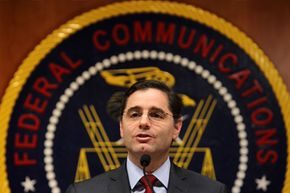
The Federal Communications Commission holds the gavel over broadcast television, drawing a hard line at what can be said on air. Specifically, the agency bans language or material between 6 a.m. and 10 p.m. that depicts sexual or excretory organs or activities in a way that is patently offensive by contemporary community standards. But here’s the catch: this crackdown applies strictly to broadcast television. Cable and Internet streaming platforms operate in a different universe, completely free from these specific indecency constraints.
Even with these rules in place, broadcast channels trip over them constantly. Sometimes it is accidental. Sometimes it is a deliberate test of boundaries. The consequences are unpredictable. Some stations pay heavy fines. Others see the FCC shrug and decline to enforce penalties.
Take Bono, for instance. In 2003, the U2 frontman used the F-word as an intensifier during the Golden Globe Awards. It wasn’t describing a sexual act. The FCC initially agreed, ruling that Bono hadn’t violated the regulations because the context didn’t match the prohibition. Then came the backlash. Janet Jackson’s infamous Super Bowl halftime show exposure in 2004 had the agency on edge. Under pressure from countless complaints, the FCC reversed its stance against Bono. They ruled he had violated the rules. They still didn’t fine him.
This inconsistency forces networks to get creative. Lacking clear guidance, they often bury profanity in background noise, layering taxi horns or crowd cheers over the words to technically comply with the letter of the law while still letting the language slip through.
Complicating matters further, the legal landscape shifted in 2012. The Supreme Court struck down fines for “fleeting expletives or nudity.” Importantly, the Court didn’t declare that such language is permissible. They merely penalized the FCC for failing to properly notify broadcasters that their standards had tightened. It was a slap on the wrist, not a green light.
With no new clarity from the agency, confusion reigns. As New York Times reporter Edward Wyatt asked, if Cher appears on a live awards show, should parents cover their eight-year-old’s ears, or can they trust the broadcasters to censor the indecent content?
Self-regulation hasn’t filled the gap. Initiatives like Clear Channel’s proposed “Commission for Responsible Broadcasting” never gained traction, especially in the unregulated cable world. Broadcasters have little incentive to police themselves either. If you want to avoid hearing unwanted language on TV, the power is in your hands. Check the channel-blocking and privacy settings on your DVR or cable box. The rest is up to chance.