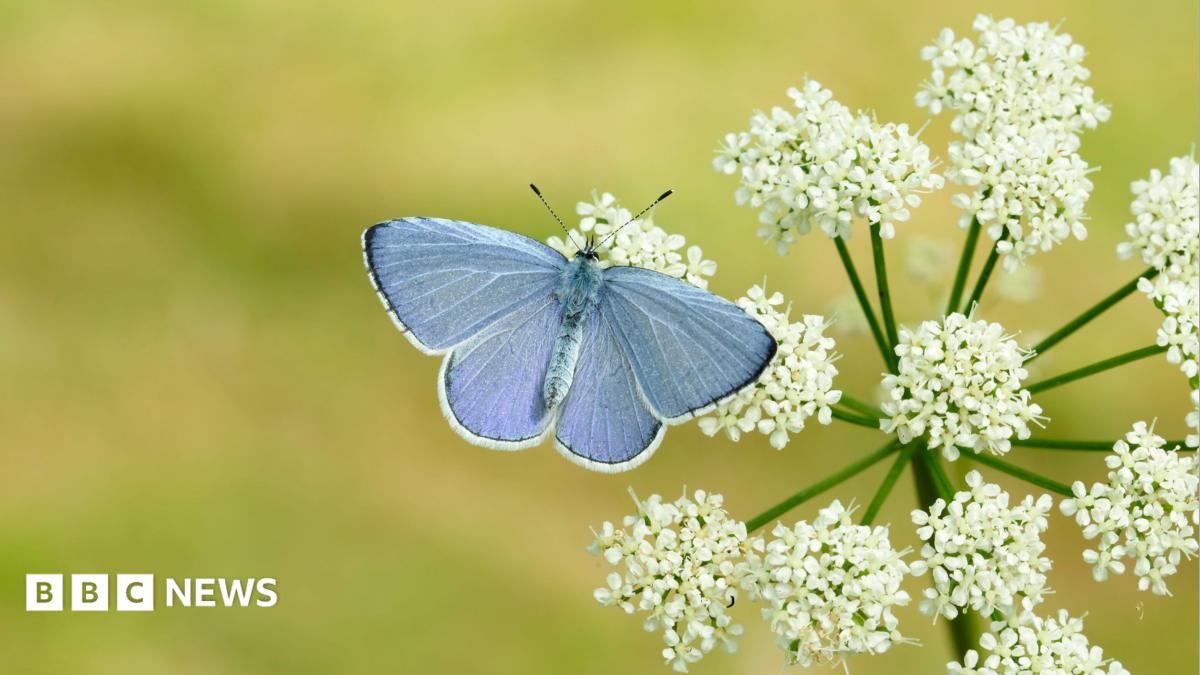
Butterflies might just have a very good summer. A leading conservation charity is warning that the UK is poised for a “bumper” year. They say this thanks to weather patterns most bugs would dream about.
Hot springs usually mean stress. Not for these winged insects. The heat has kicked-started their growth. Populations of several species are already swelling in unexpected places.
How to Participate in the Big Butterfly Count
This is the reason for the charity’s new annual appeal. They are launching a national call for counts. The public is needed to track these numbers.
Dr Dan Hoare leads the charge for nature recovery. He works at Butterfly Conservation. His office is tucked away in East Lulworth, Dorset. From there, the message is clear: these insects are expanding.
They are colonizing. Reaching out to spots they shouldn’t be in yet.
Hoare has personally seen three or four different species in southern England. They aren’t where they usually hang out. They’re wandering.
“I have seen… wandering away from their normal places,” says Hoare.
Why 2025 Is Different
The weather didn’t save the butterflies alone. Habitats had been decimated long ago. Loss started back in the 1970.
Prof Helen Roy sees the bigger picture. She sits with the UK Centre for Ecology. Also linked to Exeter University. Her view is cautiously optimistic.
The hot spring helped. It acted as a booster. But other factors are shifting too.
Consider No Mow May. Let the grass grow wild. It’s simple advice. The results aren’t.
Butterflies get places to feed. Places to breed. More diverse gardens mean better havens.
What You Can Do Today
Participation in the big count isn’t complicated. Pick a spot. Sit there. Wait 15 minutes.
Count every butterfly and moth you spot. Do it once a day.
Logging data is straightforward. Use the official app. Or hit the website. The event runs from July 17 through August 9.
Conservation efforts show real promise now. Small actions scale up quickly.
“If more and more of us create those havons,” Roy notes. “We’ll have that kind of patchwork.”
Think about it. A green network stretching across the entire country. Messy gardens. Wild edges. It creates resilience.
People want to help insects thrive. We just have to leave some room for them.