NASA just spent $4.6 million fixing a mistake born out of sheer desperation. Or perhaps pride. Hard to tell with the Deep Space Network.
The culprit isn’t bad hardware. It’s a culture investigators dubbed “hero mode”. This isn’t the Avengers kind. It’s the kind where engineers are expected to improvise quick fixes outside their training to keep systems alive. And while that attitude kept the DSS-14 antenna humming for years, it also laid the trap that destroyed it.
When bravery becomes negligence
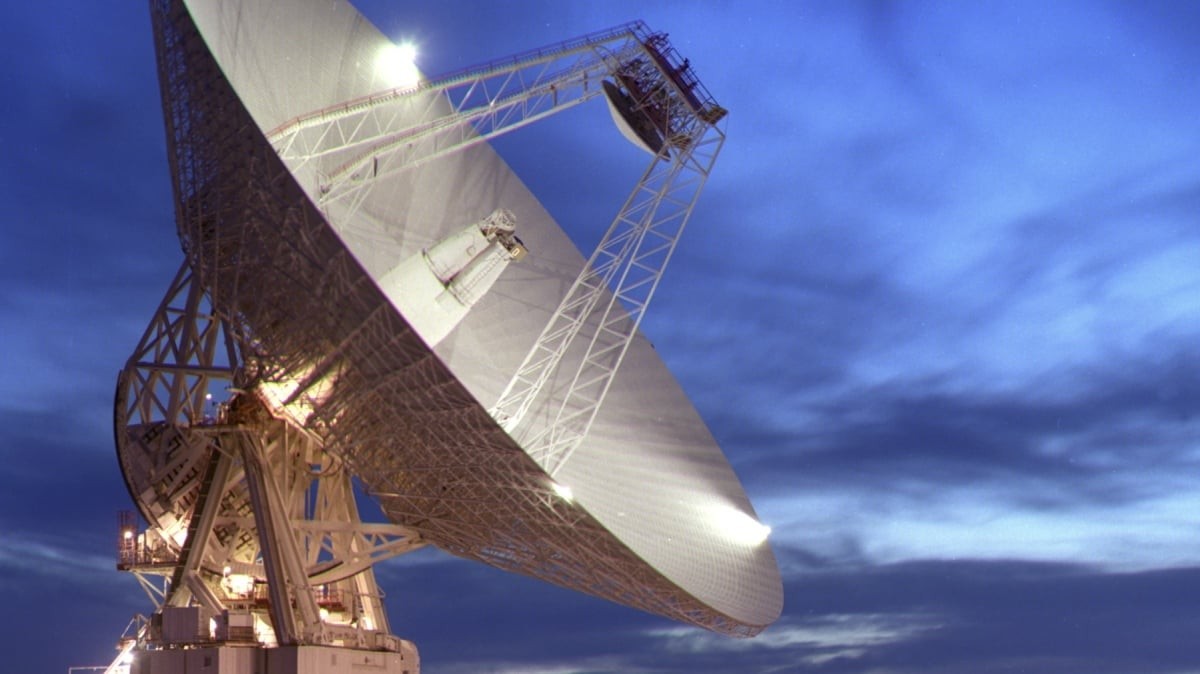
The DSS-14 dish at the Goldstone Deep Space Complex is a beast. It’s 230 feet wide. Bigger than a 747. Its job? Tracking spacecraft like Juno orbiting Jupiter, tens of billions of miles away.
Then, on Sept. 16 2025, it tore itself apart.
Operators thought they saw a safety glitch. To fix it they disabled safeguards designed to stop the dish from rotating past its physical limits. Big mistake. The dish spun too far. Cables snapped. Internal fire-suppression lines ruptured. Nearly 200,00 gallons of flooded the base structure.
When the water hit they panicked and tried to “park” the antenna. That movement caused even more destruction.
“Personnel described themselves as ‘willing to do almost anything to keep the antenna running.'”
The investigators weren’t having it. They noted that had staff simply accepted failure and left the dish down the disaster likely wouldn’t have happened.
Why do they keep breaking things?
Here’s the thing about Goldstone. The staff feels immense pressure to keep things running. There’s an implicit expectation to work long hours troubleshoot during off shifts and perform tasks way outside job descriptions.
They skip tests that delay return to service. Why? Because downtime costs money. Or so the thinking goes.
It’s not just the people though. The infrastructure is old. Very old. The Deep Space Network operates on systems that haven’t kept up with reality. Data loads have spiked by 40% in thirty years. The network is carrying weight it wasn’t designed for.
“GDSCC personnel frequently referred needing to be in ‘hero mode to maintain operations.”
Who does this work anyway? A shrinking group of veterans with deep institutional memory. Younger staff aren’t always there to learn the undocumented tricks and workarounds that keep the lights on.
Fixing what’s broken
This isn’t a one-off. The inspector general has pushed for upgrades for a while. The Deep Space Network Aperture Enhancement Program is finally adding six new dishes. A massive 112-foot antenna is coming to California.
Joel Montalbano NASA’s acting associate administrator said they need to strengthen processes. Modernize. Learn from this.
But repairs take time. The antenna isn’t coming back online until October 2028 three years. That’s a long gap in coverage.
No one was physically hurt which is good. But NASA classed it a Type A mishap. Highest level.
Is hero worship worth a multi-year black hole in deep space comms?
We’ll have to wait and see if the new hardware changes the old habits. Until then the network stays thin. And the pressure stays on.