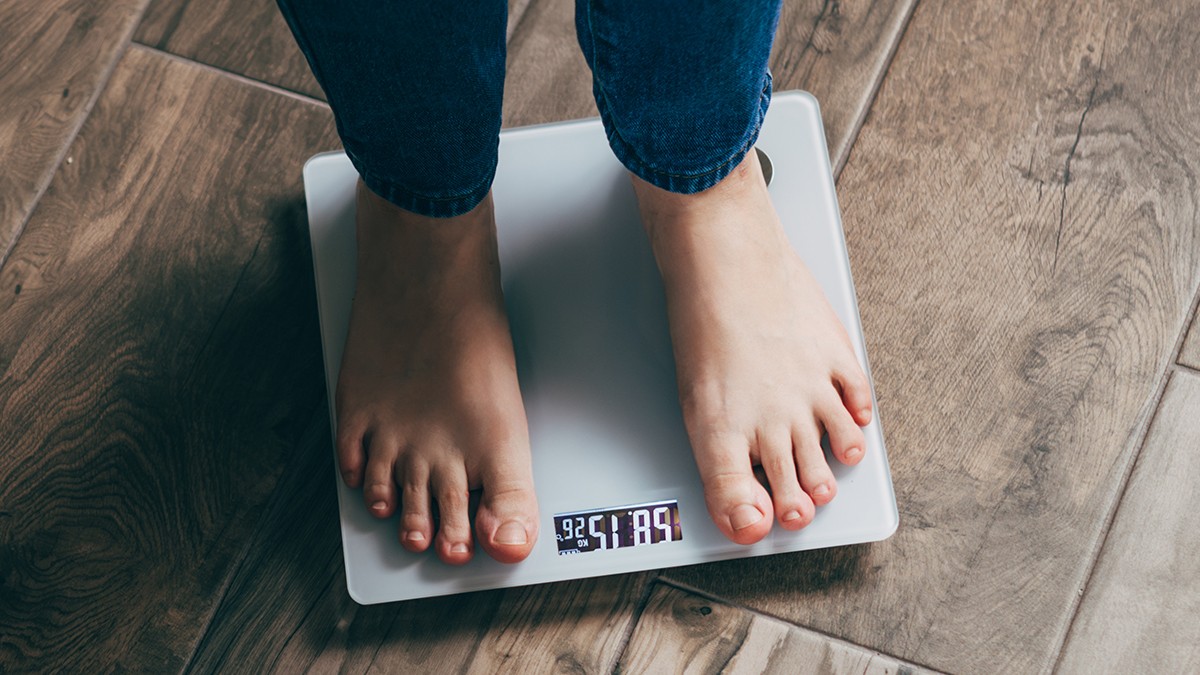
The question everyone asks is this: Does dropping pounds on GLP-1s like Wegovy or Ozempic actually save you from other sickness?
Not just the weight itself. But the downstream diseases tied to obesity?
Researchers at the University of Liverpool think they have the answer. At least, a better one than we had before.
They presented their work at the European Congress on Obesity earlier this year. It wasn’t just a look at the scales. It was about what happens after.
The numbers tell a messy story
Here is what GLP-1s do. They mimic a hormone called glucagon-like peptide-1. This thing suppresses your hunger. It slows down your digestion. It helps your insulin play nice with your blood sugar.
Some of the newer drugs, like Mounjaro, pull a double act. They also mimic glucose-dependent insulinotropic polypeptide (GIP). This extra layer helps with fat metabolism.
We already knew these pills shed pounds. Everyone saw the headlines. The mystery was always the long game. Did the weight loss translate to a healthier body? Or just a smaller waistline?
The team dug into the health records of 89,719 people in the US. These folks started on one of these drugs between January 2020 and mid-2024.
They watched the BMI change over twelve months. Then they waited another eleven months on average. Watching for trouble.
Less weight equals less risk? Obviously?
Sort of.
If your BMI dropped by 15% or more during that first year, your risks went down significantly.
Compared to the people who only lost 0 to 5% of their starting BMI:
- Osteoarthritis risk dropped by 37%.
- Chronic kidney disease risk fell by 30%.
- Heart failure risk shrank by 32%.
- Obstructive sleep apnea took a massive hit, dropping by 69%.
Does it sound obvious? Losing weight usually helps your knees. Usually helps your heart.
Yes. But the statistical weight of this proof matters. Except for the heart failure link, which didn’t quite hit the strict threshold for significance in every metric, the others did. The connection is solid.
It’s not just about hitting a target weight. It’s about how much you dropped relative to where you started.
The risk of staying heavy
What about the people who didn’t lose weight? Or got heavier?
They exist. And they suffered worse outcomes.
Those who gained weight on the medication had a statistically higher risk of sleep apnea. And heart failure too.
Think about that. The drug didn’t work for them, or they couldn’t keep it up, and their clinical outlook worsened. Not improved. Not stayed neutral. Worsened.
It’s worth noting that nearly half the participants quit the treatment within the first year. Real world data, not a controlled trial bubble. These people stayed in the final analysis. It makes the findings more robust, less sterile.
The tie to the scale
There has been debate for months. Do these drugs offer “organ protection”? Like shielding the heart independent of weight loss?
This data suggests otherwise.
The benefits seem locked to the reduction in BMI. Not a magic bullet effect of the chemical itself. The drugs don’t seem to do a separate trick behind your back. They make you lighter. Being lighter makes you safer.
Is there any other explanation? Not in this study.
When the treatment stops, the weight often returns. We all know that part of the story. The researchers conclude that maintaining that drop is what matters. The number on the scale is still king.
As the team put it, “Not losing weight was associated with worse clinical outputs.”
Simple. Direct. Maybe a bit unsatisfying if you wanted the drug to do more than just shrink you. But there it is.
So you lose the pounds. You stay off the meds if you can. You hope the lower numbers stick around long enough to keep the sleep apnea at bay.
And then the bill comes due again.