It started with a snowstorm and a misunderstanding.
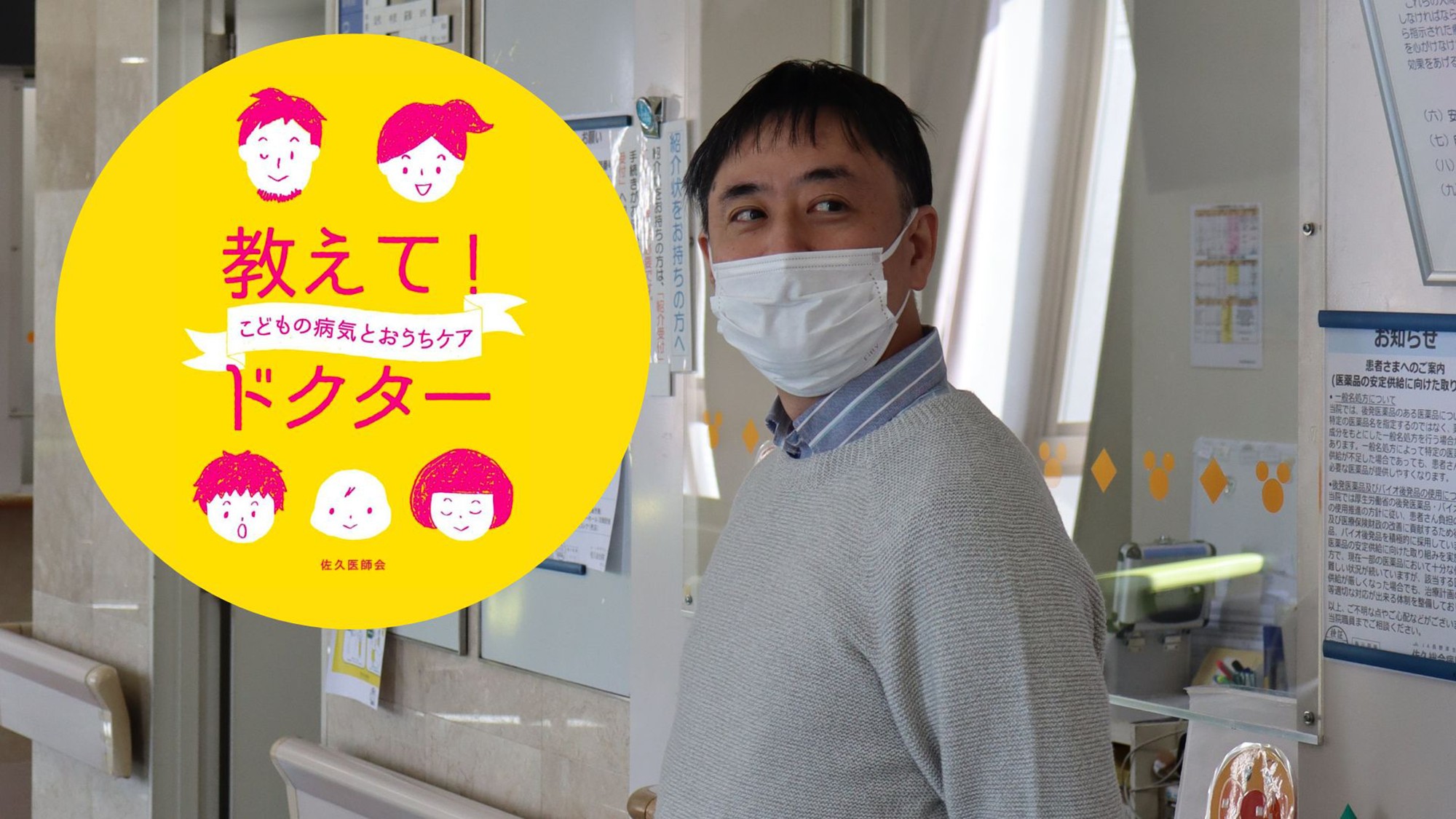
In 2011. Dr. Masahiko Sakamoto was working in a rural Fukushima hospital. Japan. Not exactly an easy place to navigate in winter.
Two parents walked in. Their baby had a fever. Mild, really. Sakamoto could see it. No emergency. No need for an ER visit. But these parents had driven 1.5 hours through heavy snow just to get here.
Risky? Yes. Pointless? Definitely.
Sakamoto was shocked by the “imbalance.” A three-hour round trip on dangerous roads for a run-of-the-mill bug. It wasn’t just this one night. He saw the pattern. Parents who don’t know much about childhood illnesses get scared. They seek unnecessary care. Antibiotics. ERs. Over-medicalization of normal childhood symptoms.
It happens in Japan. It happens in the U.S.
Doctors are tired. They’re pressed for time. Telling a panicked parent, “Don’t worry, it’s just a virus,” feels insufficient when that parent is trembling. Sakamoto decided he didn’t want to just treat the symptoms. He wanted to treat the fear.
Teaching Parents to Triage
Why wait until you’re in the exam room? The chance to avoid an unnecessary trip is gone by then.
Sakamoto needed a tool. Something portable. Something parents could check before they start the car.
He started with lectures. Then manuals. Cute illustrations. Plain language. No medical jargon. By 2016, it went digital.
“Oshiete! Doctor” (Teach Me! Doctor).
The name is simple. The impact isn’t.
The app has been downloaded over 500,000 times. 100,000 monthly active users. In Saku, where Sakamoto now works, the city funds it. Promotes it. Health centers push it.
Is it effective?
Ask Risa*, a mother in Saku. “It’s quite famous around here,” she said. For her, it’s about access. Information at fingertips.
Rie Shinohara agrees. She has two kids. She’s grateful. “A resource that makes it easy… right at my fingertips.”
The content updates annually. It covers ages up to 15. Hygiene. Vaccines. Disaster prep. Yes, disaster prep. Natural disasters? They translated that section for Ukraine, too.
But the core value proposition is clear: When should you actually go to the doctor?
The app tells you what meds are reasonable. How to handle mild symptoms at home. When to call #8000 (Japan’s pediatric hotline). When to run to the ER.
The Japan Pediatric Society backs similar guidance. The Ministry of Health recognizes the app as a complement to their own systems. They even awarded the developers.
Not bad for a side project that started with a snowy car ride.
The Fever Phobia Problem
Let’s talk about fever.
The symptom that drove those parents to snow. The symptom that keeps parents awake.
“Fever phobia.” It’s real. It’s everywhere. Not unique to Japan. The American Academy of Pediatrics says the same thing Sakamoto’s app says: Fever alone usually doesn’t need medical care.
But parents don’t care about statistics. They care about seizures. Brain damage.
First-time parents? They’re terrified. Parents who’ve seen febrile seizures before? Terrified of the recurrence.
Shinohara learned this the hard way. “With the first child, you just don’t know. Why does he have a fever?”
She took him too often. Over-cautious. By the second child, she knew better. Sakamoto wants to shorten that learning curve. To give you the confidence of a second-time parent on day one.
The data supports his hunch.
He and his team studied 87% of users. They said the app made deciding to go to the hospital easier. 94% would recommend it.
But it’s not just about convenience. It’s about behavior.
Knowledge vs. Anxiety
In a survey from 2017 to 2024, Sakamoto tracked caregivers in Saku. He looked at those who downloaded the app versus those who didn’t.
Did it help?
Yes. More parents understood that fever doesn’t always mean a hospital visit. Fewer believed antibiotics are always necessary for fever. Users were the most likely to get this right.
Sakamoto thinks the message lands better when it comes from the app and the pediatrician. The doctor reinforces it. But the app prepares them for the conversation.
Yet, here’s the twist.
Between those survey years, parental anxiety increased.
Why?
The COVID-19 pandemic, obviously. Fear of the unknown spikes when a global virus hits.
“Their knowledge about fever… was enhanced, whereas the fear… worsened,” Sakamoto said.
This is the hard truth of public health. You can give people facts. You can build apps. You can explain biology. But fear? Fear doesn’t disappear just because you read a Wikipedia article.
Knowledge improves. Emotional anxiety lingers.
The New Challenge: AI
Sakamoto has another enemy on the horizon.
Chatbots.
Parents are asking AI for medical advice. And AI is hallucinating.
He’s seen parents terrified because a chatbot predicted a worse prognosis than reality. It suggested severity where there was none. “Holistic accurate information from AI” is, frankly, rare.
So what’s the solution?
More funding. Sakamoto wants to make “Oshiete! Doctor” multilingual. To reach beyond Japan. To give vetted, accurate info to parents everywhere who are scared and searching in the middle of the night.
It’s not just about disseminating information. It’s about reception.
“We have the responsibility to check… whether or not it is truly received,” Sakamoto said.
Because knowledge without peace of mind is useless. And peace of mind doesn’t come from a panic button. It comes from understanding.
Risa, Shinohara, and thousands of others are figuring that out. One downloaded app at a time.
But the fear? That’s still out there. Waiting for the next fever spike at 2 AM.
Editor’s note: Risa requested anonymity.