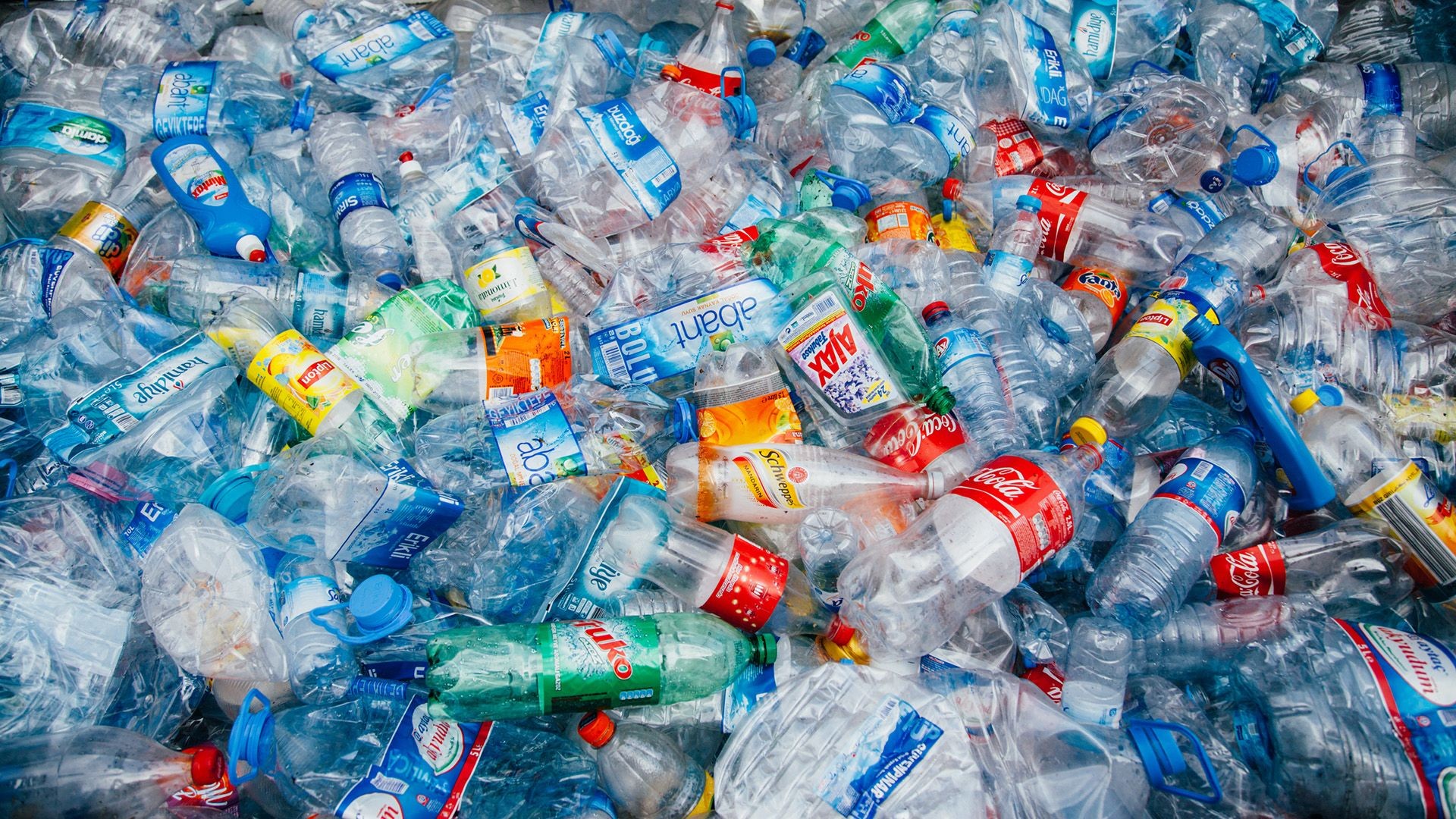
Scientists at the University of Cambridge have developed a groundbreaking “one-pot” process that transforms hard-to-recycle plastic waste into clean hydrogen fuel and valuable industrial chemicals. By combining solar power with sulfuric acid salvaged from discarded car batteries, this method addresses two major environmental challenges simultaneously: plastic pollution and the inefficient recycling of lead-acid batteries.
The research, published in the journal Joule, demonstrates a circular upcycling system that not only breaks down plastic but also converts it into useful products, offering a sustainable alternative to traditional fossil-fuel-based hydrogen production.
The Plastic Recycling Gap
The global scale of plastic waste is staggering. In 2025 alone, the world generated over 440 million U.S. tons (400 million metric tons) of plastic waste. Despite this volume, less than 10% was actually recycled.
The primary obstacle is the diversity of plastic types. While common plastics like polypropylene and polyethylene can be melted and remolded, others require complex chemical breakdowns. This category includes condensation polymers such as:
* Polyethylene terephthalate (PET): Used in food and drink packaging.
* Polyurethane (PU): Found in foam cushioning, bedding, and insulation.
* Nylon: A synthetic polymer used in textiles and plastics.
These materials are formed through chemical reactions that release water, creating long polymer chains. To recycle them, water must be reintroduced to break these bonds—a process called hydrolysis—releasing the original building blocks, or monomers.
A Two-Step Solution in One Reactor
The Cambridge team, led by researcher Kay Kwarteng, aimed to go beyond simple monomer recovery. They designed a single-reactor system that combines plastic depolymerization with hydrogen generation.
Step 1: Breaking Down the Plastic
The process begins with PET plastic bottles, which are ground into a fine powder and dissolved in concentrated sulfuric acid. The mixture is heated to 140°C (284°F), triggering hydrolysis. This breaks the PET down into two valuable monomers:
1. Terephthalic acid: Which precipitates out of the solution as it forms.
2. Ethylene glycol: Which remains in the acidic liquid.
Step 2: Generating Hydrogen from Waste Acid
Traditionally, hydrogen production from ethylene glycol requires alkaline conditions. However, the researchers faced a constraint: they wanted to use sulfuric acid recovered from recycled car batteries. Currently, when car batteries are recycled, only the lead is recovered, leaving the acid as waste.
To make this work, the team developed a new molybdenum-based catalyst stable in acidic environments. When exposed to sunlight, this catalyst oxidizes the ethylene glycol. This reaction releases electrons, which convert protons from the acid into hydrogen gas. The remaining ethylene glycol is converted into acetic acid.
“Sulfuric acid is a component of car batteries, but when they are recycled, they only recover the lead component,” explained Kay Kwarteng. “We could extract the battery acid and use that instead. It makes a strong argument for sustainability.”
Beyond Hydrogen: Industrial Applications
While hydrogen and acetic acid are less valuable than the original ethylene glycol monomer, the process offers a versatile platform for other chemical reactions. Professor Erwin Reisner, co-author of the study, highlighted the potential for hydrogenation —a critical industrial process that typically relies on hydrogen derived from fossil fuels.
In a follow-up study published in Angewandte Chemie International Edition, the researchers demonstrated that this system could hydrogenate nitrogen-containing substrates into pharmaceutical building blocks. By using plastic waste as the hydrogen source instead of fossil fuels, the carbon footprint of these reactions is reduced by half.
Challenges and Future Outlook
The use of multiple recycled inputs—plastic waste, battery acid, and solar energy—is innovative. However, commercialization faces hurdles. Amit Kumar, a catalysis researcher at the University of St Andrews, noted that while the science is exciting, the photochemical step may be difficult to scale for industrial use.
The Cambridge team is now working to adapt the process for flow reactors, which allow for continuous conversion of reactants to products rather than batch processing. If successful, this technology could provide a scalable, low-carbon method for producing essential chemicals and fuels, turning two of the world’s most persistent waste streams into valuable resources.
Conclusion
This innovative process represents a significant step toward a circular economy, proving that plastic waste and discarded battery acid can be transformed into clean energy and pharmaceutical precursors. By integrating solar power and waste-derived reagents, the technology offers a sustainable pathway to reduce reliance on fossil fuels while tackling global plastic pollution.