The world held its breath in April.
Three dead on a cruise ship. Panic in the air.
WHO just dropped the anchor on it. Outbreak over.
“No further cases have been reported.”
That was Tedros Adhanom Ghebremesus speaking last Thursday.
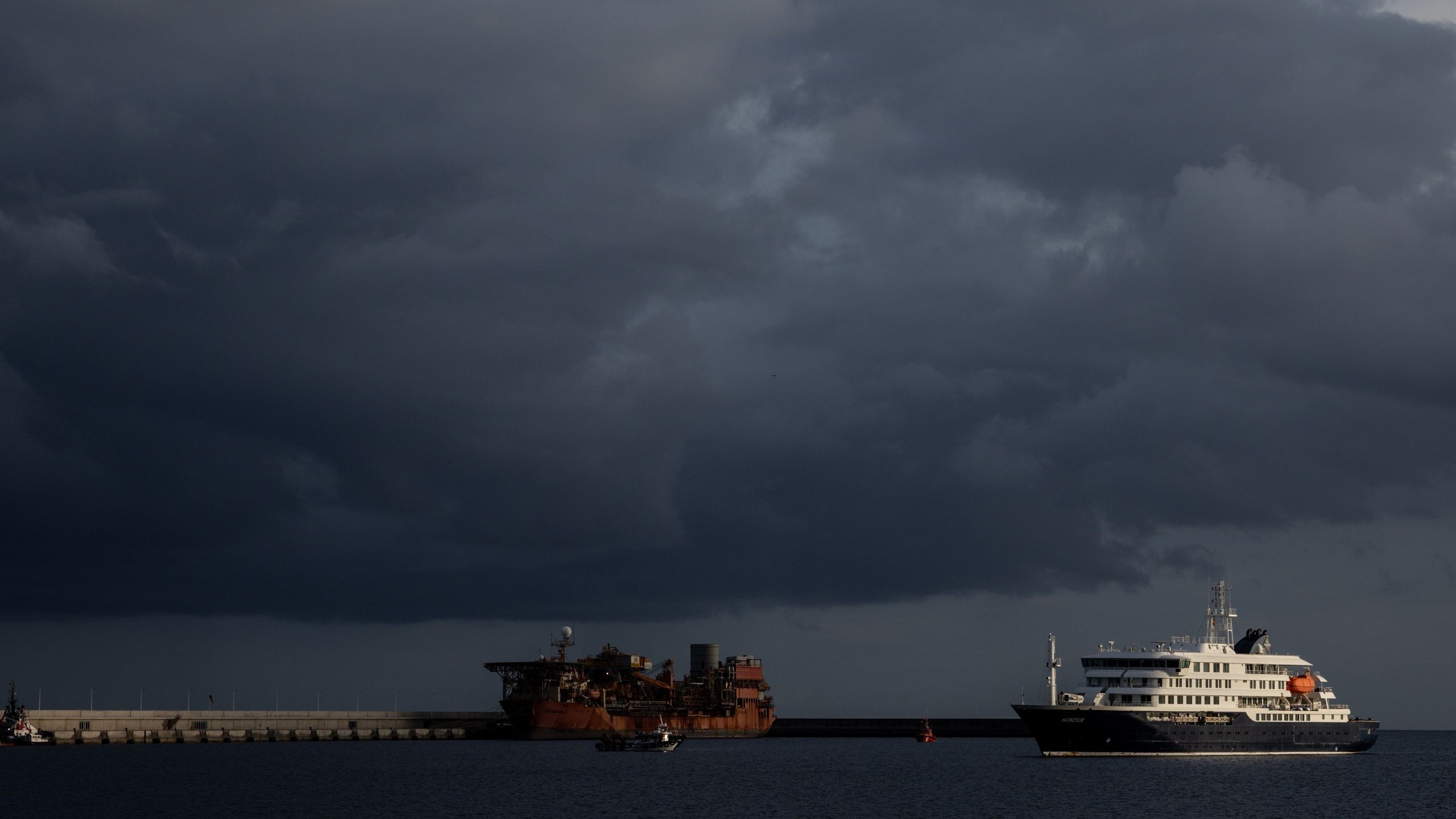
It happened aboard the MV Hondius. Dutch flag. Left Argentina April 1st.
Andes virus involved. The weird cousin of hantavirus that actually jumps from human to human. Usually? These things stay with rodents. Urine droppings saliva. Boring but deadly if you aren’t careful.
This one broke the rules.
13 total cases. Passengers or crew.
But the real problem wasn’t the sick people on the ship.
It was the people who got off early.
Before anyone knew what was hitting them, dozens hopped off in St. Helena.
Guess what happened next?
Chaos.
Well, organized chaos. An international manhunt for disease contacts.
650 people tracked across 33 countries.
Home quarantines. Hospital bunkers. 42 days of waiting because sometimes symptoms play hide and seek.
Did people worry? Yes.
Experts said chill out.
Andes doesn’t spread like wildfire.
Others whispered “pandemic potential” just to keep the adrenaline pumping.
Does it matter?
Maybe.
Maybe not.
The US repatriated folks wrapped up their isolation June 21.
The final contact? Cleared July. Negative test. Went home.
Silence followed.
Tedros wants more studies. 21 countries joining in to see how this thing behaves. Diagnostics. Vaccines.
Credit goes to the Spanish government too. They locked down Tenerife like a fortress. Safe zone. Disembark. Quarantine.
Vital? Sure. But “vital” feels corporate.
Essential works better. Or maybe just necessary.
Meanwhile?
Ebola isn’t gone. Congo has that.
Marburg virus hit Uganda recently.
The message stays the same.
Cooperate or die trying?
Perhaps too dramatic.
“No country alone can fight,” Tedros said.
He’s not wrong.
Just a bit cliché.