It’s all about the grass
They aren’t looking at the pretty wings first. Not really. They care about the caterpillors more than the butterflies. Because that is where the magic happens, or dies, depending on the year.
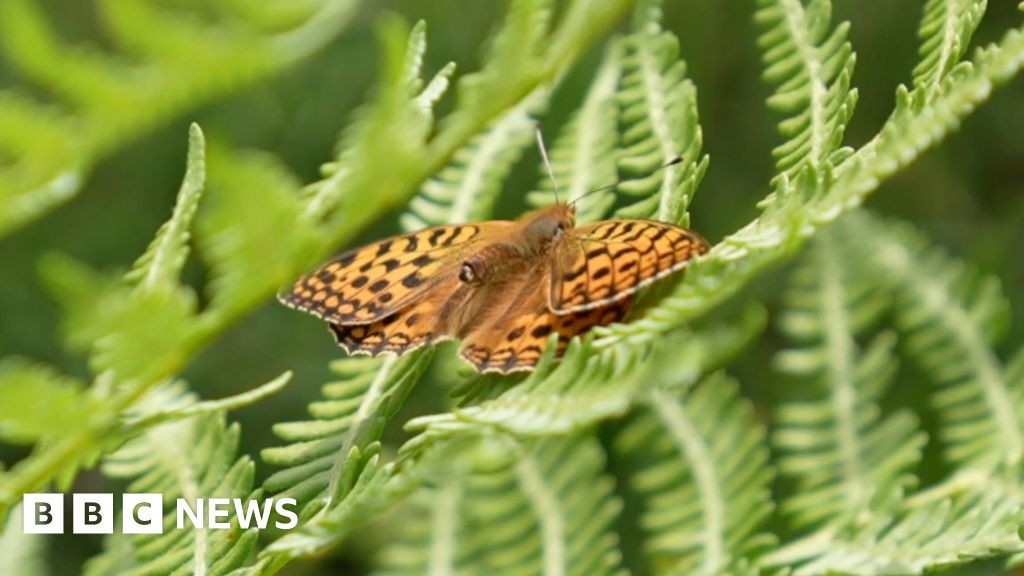
In Bridgend, a small group of people are obsessed with keeping one species from vanishing off the Welsh landscape. The marsh fritillary. It sounds grand. It is rare. Extremely rare. If you walk into the right field, you might spot the orange-and-brown blur flitting around, but the real story is underground, well, low down, in the dense tussocks of grass.
Volunteers know this.
The tangle and the tunnel
You need specific plants. Knautia arvensis —field scabious—is the food for the young. The grass needs to be tall enough to create a cool, damp microclimate but not so high it crushes everything underfoot. It’s a delicate act of cutting and leaving.
The key is not doing enough. It’s doing the right thing at the right time.
Too much management? The habitat shrinks. The tunnels the caterpillors weave through the grass base collapse without structural support. Too little? The vegetation grows too dense. The soil doesn’t dry out after spring rains. The larvae drown or overheat.
It feels like micromanagement from hell, but it is precision work. These volunteers spend their weekends with scythes and sickles. They talk to farmers who own the land. They measure rainfall. They track weather patterns like they are preparing for war. Because effectively, they are fighting against extinction.
Why Bridgend?
It is one of the last strongholds in Britain for this specific population. Not all of Wales. Not just South Wales. Specifically, these valleys. The geology helps. The rainfall helps. But mostly, it’s the people.
Without them, the fritillary here would be gone in a decade. Maybe five.
They do it for free. Most of them. Some have other jobs, other lives. On a Tuesday night or a Sunday morning, they are here, sweating, checking transects, wondering if the hatches will hold.
Is it worth the hassle?
Some say yes. Nature is nature; things come and things go. But when you put the effort in, and you see a patch that was dead for ten