Silvio Sinibaldi says it plainly. Human activity hinders exploration. 🌑
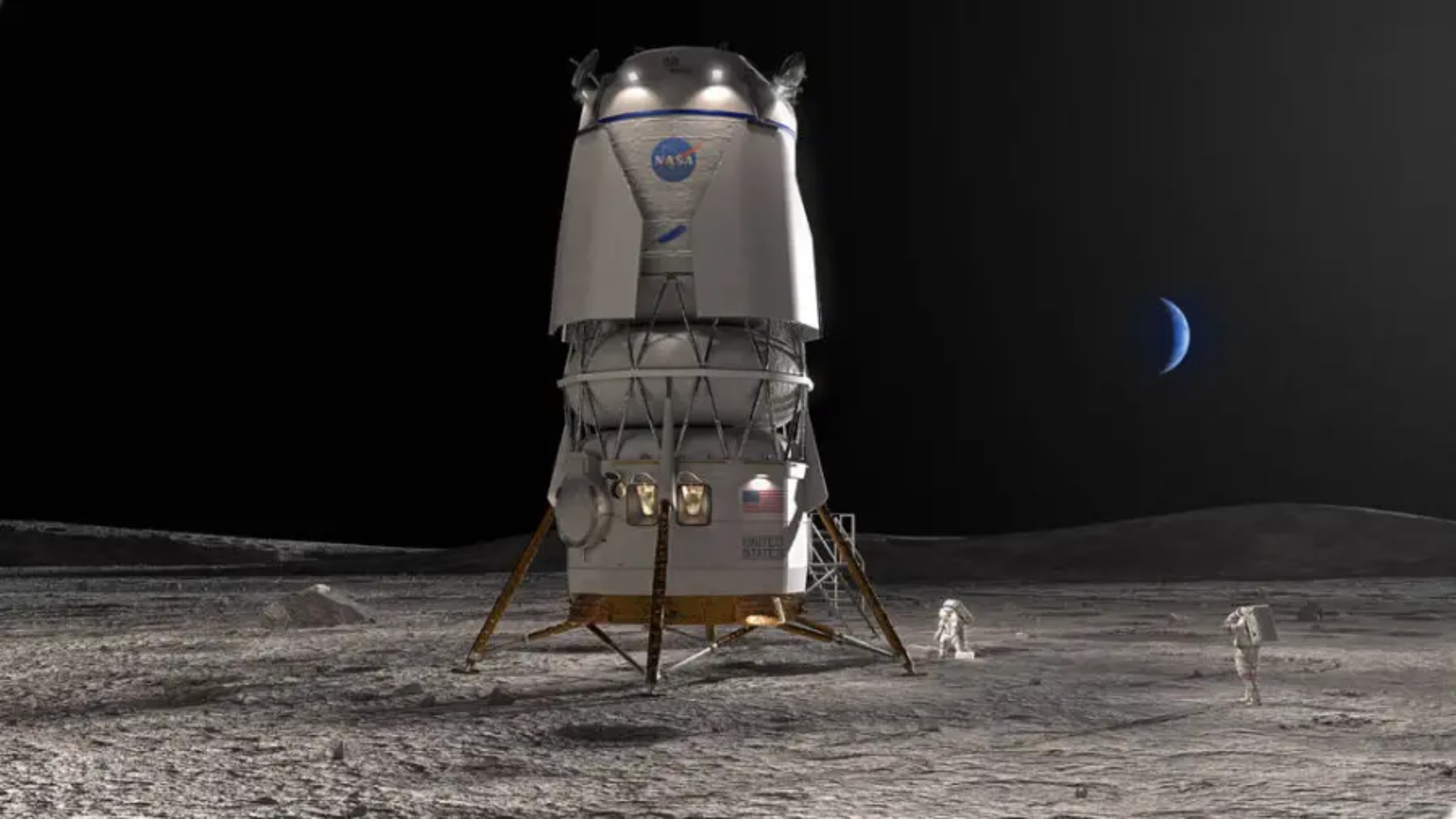
We go back. Really soon. The Artemis program isn’t just talk, NASA is landing people at the South Pole, then maybe staying for a bit with a base, which means more trips, more rockets. Lots more.
And that’s where we have a problem. A new study just dropped. Exhaust from our landers contains methane. Lots of it. It doesn’t stay put. It flies around the lunar surface. And in doing so it could permanently contaminate ancient ice that might hold the secrets of how life even started.
“Our activity can actually hinder scientific exploration.”
Think about that for a second. We go up there to find answers about life’s origin, but the very act of going might destroy the answer before we see it. 🧬
Frozen fossils?
Why does methane matter here. Well. There’s ice. Dark craters, forever shadowed near the poles. They’re cold vaults. They hold debris from asteroids and comets smashing into the moon billions of ago. That stuff includes prebiotic organic molecules.
What are those exactly? Ingredients for life. Maybe the exact kind that sparked biology on Earth.
On our own planet we’ve lost almost all the molecular history. Tectonics and erosion ate it all up. The moon is different. It’s stagnant. Cold. Dry. The ice wells there are a preserved snapshot of prebiotic chemistry. If we study that ice, we might finally close the gap in understanding how dead chemistry becomes alive biology.
But wait. We’re going to break in.
The study simulates Artemis landings at the South Pole. Methane comes out of the engine. On Earth, an atmosphere traps gases or mixes them out. On the moon? There is no atmosphere.
The gas doesn’t float gently. It flies.
“Their trajectories are basically ballistic,” says physicist Francisca Paiva.
They hop. From one spot to another. Fast. Under two lunar days the plume hits the North Pole. Within one lunar week, roughly seven Earth months, 42% of that methane is trapped back at the South Pole where it started, mixing directly with those ancient, precious ice pockets. The evidence is swamped by exhaust.
This isn’t a slow leak. It is rapid contamination. The pristine signal is drowned out by the noise of our engines.
Fixing it
Is the game over. Probably not yet. Paiva points out one thing might help. If we aim for colder landing spots the methane might not travel as fast or spread as wide. But that requires knowing the mechanics of the moon better, and looking at all the chemicals our rockets spit out, not just methane.
There are also bigger philosophical questions. We have laws. Real laws. Protecting Antarctica, protecting national parks on Earth from human trash and footprint. Shouldn’t the moon have the same protections.
The ice is fragile. The history is priceless. But our engines are loud.
Maybe we land elsewhere. Maybe we fly slower. Maybe we realize we can’t have it both ways: total access and total preservation. Which matters more, getting boots on the ground, or keeping the sample pure for science?
We are building the tools to go. We haven’t really decided if we’re willing to pay the scientific price to get there. The exhaust is coming regardless.