Winter 2024 is shaping up to be brutal for wildlife. Birds are staring down a perfect storm of frozen water sources, scarce food, and a lack of proper shelter. The cold isn’t just uncomfortable; it is an energy-draining threat to their survival. While traditional feeding stations help with calories, they do nothing for the core problem of hypothermia. There is, however, an unexpected solution gaining traction: the heated birdhouse.
Why Standard Shelters Aren’t Enough
Traditional birdhouses are passive structures. They rely on the sun or the birds’ own body heat to stay warm. In a snap freeze, that isn’t enough. A heated birdhouse changes the equation by providing a stable microclimate. It mimics the thermoregulation techniques birds use in nature, but with mechanical assistance.
The difference lies in consistency. A heated nest box maintains an optimal temperature regardless of the wind chill or humidity. This isn’t about turning the birdhouse into a sauna. It is about preventing the lethal drop in body temperature that kills when exposure lasts too long.
“By offering a stable microclimate, the heated birdhouse allows birds to conserve vital energy for essential activities like foraging, rather than burning calories just to stay warm.”
How It Works and What It Saves
The concept draws directly from natural behaviors. Birds huddle, fluff their feathers, and seek shelter to retain heat. A heated birdhouse accelerates this process artificially. It protects against two invisible killers: wind and moisture. Wet feathers lose insulation quickly. The design of these modern boxes often includes weatherproofing combined with low-wattage heating elements to keep the interior dry and warm.
This leads to a significant reduction in thermal stress. When birds aren’t fighting to maintain their core temperature, they can use that energy to find food. In a season where every calorie counts, this distinction between survival and starvation is stark.
Energy Efficiency and Safety
One might assume that keeping a small box warm all winter would be an energy hog. It isn’t. These devices are designed for efficiency. They use minimal power, often relying on solar options or low-voltage inputs. The goal is to provide a safety net, not a central heating system.
The benefits are clear:
- Maintains a consistent, safe temperature range.
- Shields birds from wind and dampness.
- Saves the bird’s energy reserves for hunting and migration prep.
- Lowers the risk of cold-related mortality.
It is a simple shift in approach. We stop treating birds as passive observers of winter and start giving them active tools to survive it. The heated birdhouse is more than a gadget. It is a response to a changing climate where cold snaps are becoming more unpredictable and severe.
As the ground freezes and food disappears, these boxes become sanctuaries. They don’t solve the food shortage, but they solve the immediate threat of the cold. For now, that might be enough.
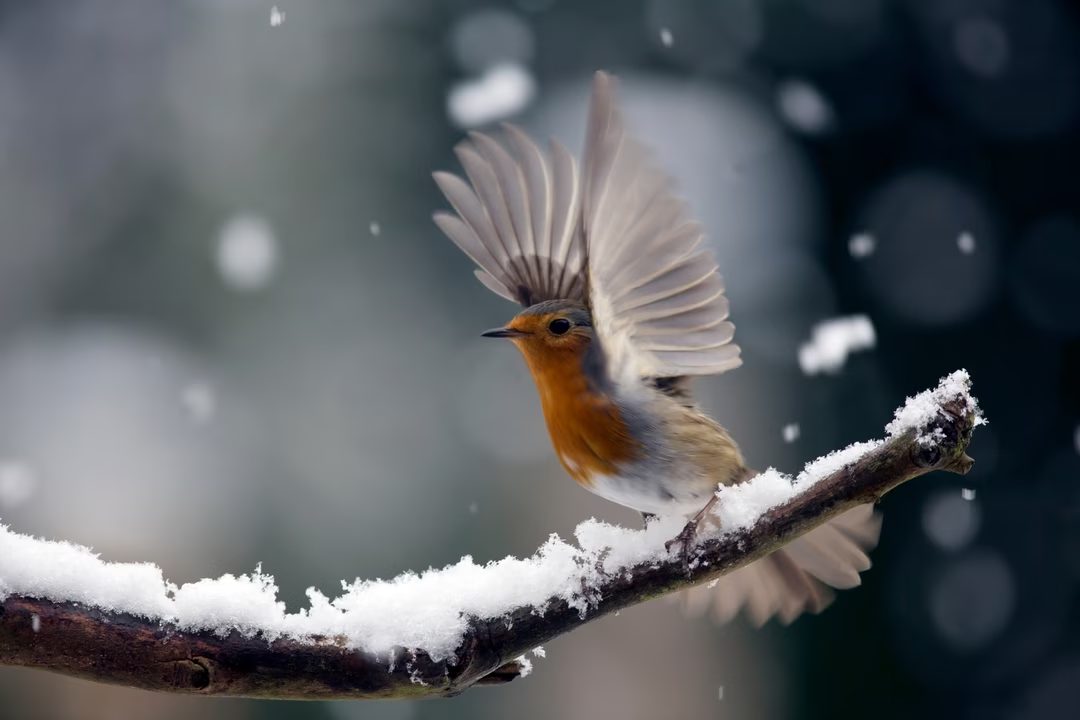
The cold doesn’t just make us shiver. It forces birds to burn through their fat reserves just to stay warm.
The League for the Protection of Birds (LPO) emphasizes that winter feeding isn’t a hobby. It’s a survival necessity. Birds expend massive amounts of energy maintaining their body temperature against the drop in mercury. If you want to help, you need to be strategic.
What to feed birds in the cold
A varied diet is non-negotiable. You can’t just toss out breadcrumbs and call it a day. You need high-calorie fuel.
Here is what works:
- Seeds : Sunflower, millet, and hemp. These are packed with lipids and proteins.
- Fruits : Chopped apples and pears. They provide essential vitamins and fiber.
- Fats : Fat balls (make sure they are net-free). This is concentrated energy.
Varying where you put this food matters too. Hang some of it high up. Scatter some on the ground. Different species have different habits. Some feed on the wing. Others prefer a perch. Some stay near the earth.
Mix this dietary variety with a heated nest box. The combination offers a complete safety net. The food keeps their energy levels up. The heated box prevents them from freezing to death when the sun goes down.
The hidden danger of freezing water
Everyone thinks about food. Fewer people think about water.
Yet hydration is just as vital in winter as it is in July. Birds drink. But they also preen. They use water to clean their feathers. Clean feathers trap heat. Dirty or matted feathers let the cold in.
So how do you keep a water source from turning into an ice block?
- Float things on top. Ping-pong balls or pieces of wood. The movement of the birds or the wind keeps the water moving just enough to delay freezing.
- Refresh it. Change the water regularly. Break the ice if it forms.
- Place it near heat. If you have a heated nest box, put the water dish nearby. It’s easier for birds to access if they are already in the warm zone.
- Zero additives. Never add salt or antifreeze. These are toxic. They will kill them faster than the cold.
Simple acts create a sanctuary. Food. Water. Warmth. All within beak’s reach. This triad drastically increases their odds of surviving the deep freeze.
Why this matters for your garden
Installing a heated nest box and following these feeding protocols isn’t just about one bird. It’s about biodiversity.
You are actively supporting urban and rural wildlife. You get a front-row seat to nature. Instead of a barren, silent garden, you see activity. You see colors. You see life persisting despite the gloom.
Climate change is making winters more unpredictable. Harsher. More sudden.
Your actions are a buffer. The heated nest box, paired with proper nutrition and liquid access, is a concrete solution. It’s not magic. It’s biology, managed with care.
We can make the difference. One garden at a time. The birds are waiting.