Plants don’t grow in isolation. Beneath the soil, a hidden network is at work. Mycorrhizal fungi colonize the root systems of plants. They form a symbiotic partnership known as a mycorrhiza. The word comes from two Greek roots. Myco means fungus. Rhize means root. It is a literal description of the relationship.
Newly planted subjects offer the perfect entry point. The fungi attach directly to the roots. They don’t just sit there. They interact through the mycelium. This is the permanent, living part of the fungus. Think of it as an extension of the plant itself.
The mycelium is made of fine filaments called hyphae. These threads wrap around the plant’s fine roots. They create a fungal mantle. This structure is not passive. It actively facilitates the uptake of nutrients. It pulls minerals and water from the soil. The plant absorbs them more efficiently than it could alone.
This isn’t just theoretical biology. It is a survival mechanism. The fungi trade water and nutrients for sugars produced by the plant through photosynthesis. It is a fair exchange. Both organisms benefit.
The Edible Connection
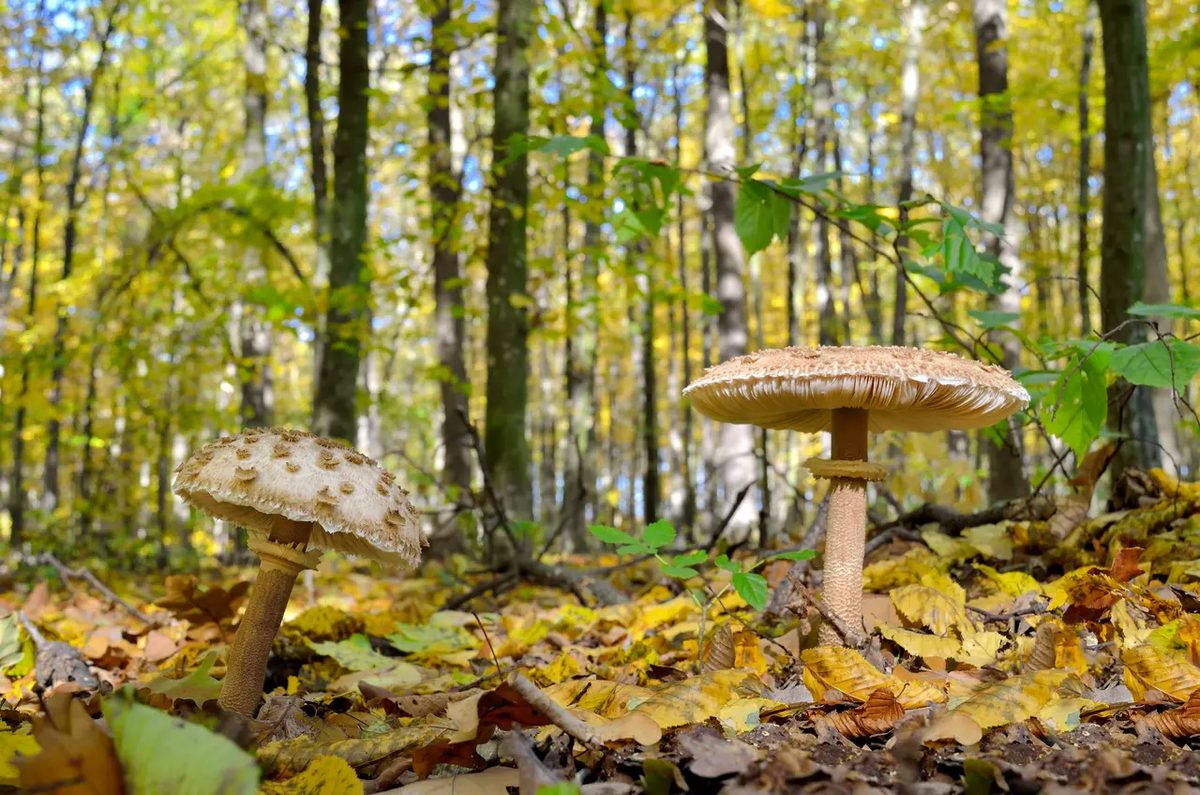
Not all mycorrhizal fungi are invisible to the human eye. Some produce fruiting bodies we recognize as food. Truffles are a prime example. These prized delicacies are part of the mycorrhizal group. They rely on the same symbiotic relationship to grow. Without their host trees, they cannot complete their life cycle.
Mycorrhizal fungi form a symbiotic partnership with plant roots, extending the root system’s reach for nutrient absorption.
Why This Matters
Understanding this relationship changes how we view gardening and agriculture. Healthy soil isn’t just about dirt. It’s about biology. Introducing these fungi can improve plant health. It can reduce the need for synthetic fertilizers. The fungi do the heavy lifting.
The process starts at planting. The fungi establish contact quickly. They spread their hyphae into the surrounding soil. This network expands the plant’s effective root zone. It accesses water pockets that roots might miss. It breaks down complex minerals into usable forms.
It is a natural process. You don’t have to force it. But you do need to protect it. Disrupting the soil structure or overusing certain chemicals can break the connection. The fungi are delicate. They require a stable environment to thrive.
The Hidden Network
Once established, the mycelium persists. It remains in the soil year after year. It can connect multiple plants. This creates a subterranean web. Plants can share resources through this network. A healthy tree might support a sapling nearby. The fungi act as the conduit.
This phenomenon explains why some plants thrive in specific conditions. They have access to a robust fungal partner. Without it, they struggle. They compete individually for limited resources. With it, they cooperate. The distinction is stark.
Gardeners often overlook this layer. They focus on the leaves and stems. They ignore what happens below ground. But the roots are only half the story. The mycorrhizal association is the other half. It is the engine of plant health.
The benefits are measurable. Improved growth rates. Better stress tolerance. Enhanced resistance to diseases. The
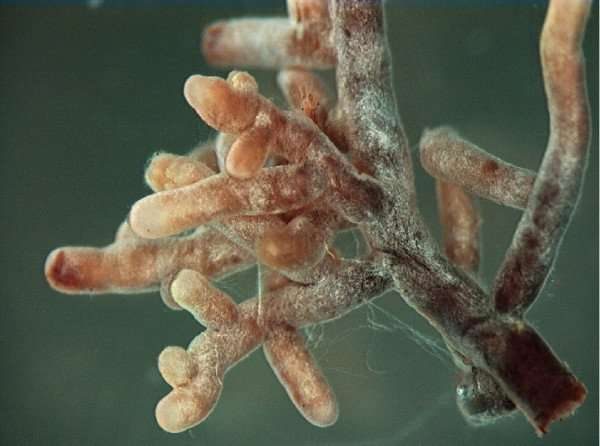
This is a partnership that has lasted for hundreds of millions of years. The fungus wraps around the roots. The tree feeds the fungus. Simple? No. Complex? Yes.
Think of the root system as a branch. It’s limited by physics. By attaching to mycorhizae, the tree extends that reach exponentially. The fungal mycelium acts like a superhighway for water and nutrients. Without it, the tree is digging in dirt. With it, the tree is tapping into a vast underground network.
The results are visible above ground. Growth accelerates. Flowers bloom more often. Fruit production increases. This isn’t magic. It’s biology working efficiently.
Why drought tolerance matters
Here is the real kicker. Climate change makes water unpredictable. Trees that rely solely on their own roots struggle when the soil dries out. Mycorhizal fungi can reach deeper into the earth. They pull moisture from tiny pores that roots cannot access.
The tree gains tolerance to dry spells. It survives when others wither. This resilience is crucial as summers get hotter and drier. The fungus provides water. The tree provides sugar. A fair trade? Absolutely.
The soil ecosystem effect
The relationship doesn’t stop at the individual tree. The fungi enrich the soil itself. They create a habitat for other microorganisms. Bacteria. Protozoa. All of these contribute to soil health. The entire ecosystem benefits from this mutualism. Resources are shared. Waste is minimized. The ground becomes a living, breathing entity rather than just dirt.
Application in gardening
You don’t need a forest to use this science. Nurseries sell mycorhizal powders. You mix them into the soil when planting new trees or shrubs. This is especially useful if your native soil is poor. It jumpstarts the symbiosis. It gives young plants a fighting chance in harsh conditions.
“The tree provides carbohydrates. The fungus provides water and minerals. It is an alliance of survival.”
This isn’t about replacing fertilizers. It’s about enhancing the natural capability of the plant. Synthetic fertilizers feed the plant directly. Mycorhizae feed the system. Over time, this leads to healthier plants that can fend for themselves.
The question is not whether we should use this knowledge. The question is why we waited so long to prioritize it.