


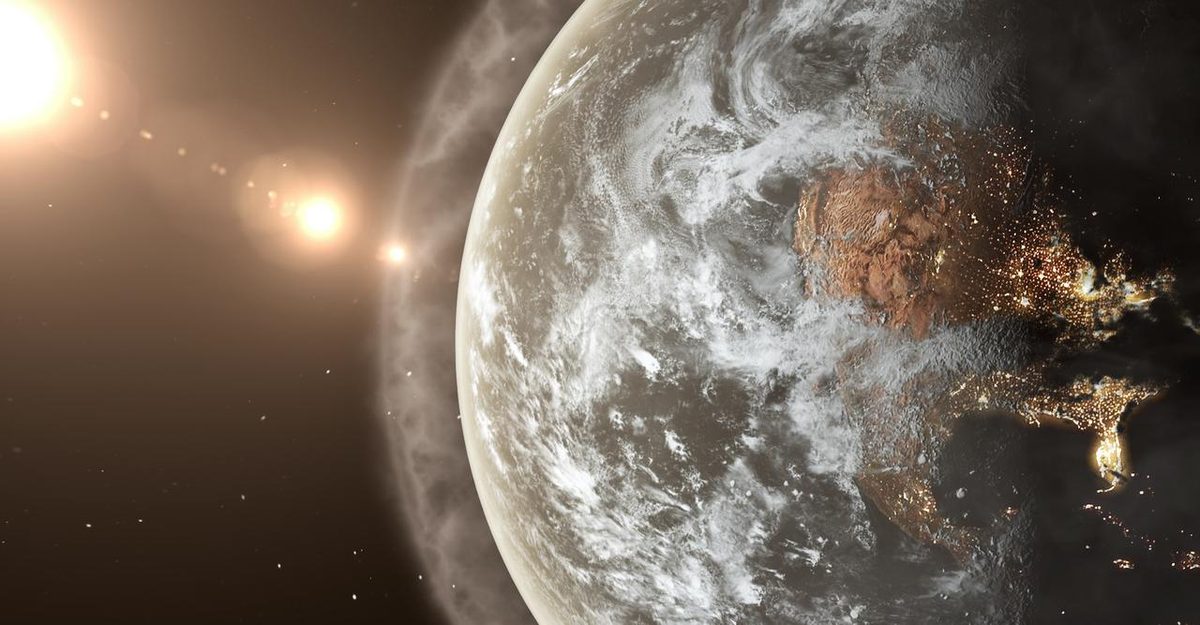
The earth has always been a place of constant change.
Ice ages have come and gone. The face of the earth has changed dramatically. But today we are witnessing new changes. This is unnatural. The reason is not random fluctuations in solar energy production or volcanic ash clouds. Scientists agree that human activity is driving this change.
The atmosphere already has a built-in thermostat.
The main components are water vapor and carbon dioxide (CO2). traps heat. Without them, the Earth would become a frozen ball. The average temperature is about -18℃. Thanks to these greenhouse gases, we enjoy a comfortable 15 °C. It’s a delicate balance. Changing the gas concentration changes the climate.
Humans cannot directly control water vapor. Its concentration primarily responds to temperature. Warm air contains more moisture. It’s a feedback loop. You can’t just turn on the switch and add humidity.
But we can and we can control carbon dioxide.
The information is clear. Carbon dioxide concentrations in the atmosphere have increased by about 40% since the beginning of the 20th century. Such spikes do not occur separately. It coincided perfectly with the industrial revolution. This coincided with the era when fossil fuels began to be burned on a large scale. coal. oil. gas. We dig them up, releasing into the atmosphere carbon that has been stored for centuries.
This is no small change. This is a fundamental change in the air we breathe. The “greenhouse effect” is not the fault of the system. This is a feature. I just turned the knobs too high.
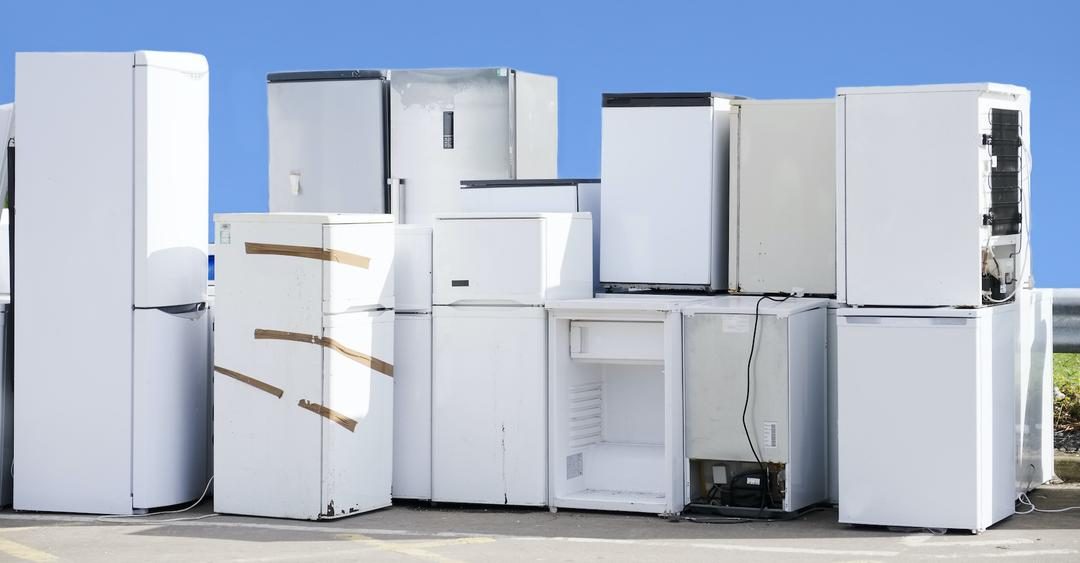

Real global warming trends
I hear it all the time. Burning fossil fuels boils the earth. Burning oil, natural gas and coal to produce electricity and industrial heat releases large amounts of carbon dioxide. This gas absorbs heat. The temperature rises. This is a simple chain of cause and effect.
But that’s not all.
Considering chimneys alone ignores other important factors contributing to the crisis. Take the forest for example. Trees are regulators of nature. They absorb carbon dioxide from the air. Cutting them releases stored carbon. Deforestation is a double whammy. Discard the attenuator and add an emitter.
Next we eat. Intensive cattle and sheep farming produces large amounts of methane. This is how digestion works. Methane is a powerful nuisance. It also comes from the extraction of fossil fuels and the flooding of rice fields. Its heating power is 25 times greater than CO2. a short-lived spike. long-term damage.
Synthetic fertilizers hit agriculture hard again. Nitrogen oxides are released from nitrogen-based fertilizers. Cars also emit some exhaust fumes. Chemicals do the same thing. This gas is a beast. Its global warming potential is about 300 times greater than that of carbon dioxide.
Who did the most damage to France? This information applies to certain industries.
Where do the emissions actually come from?
The biggest source of emissions in France is transport. Its share of greenhouse gases is almost 30 percent. It’s not just about private cars. It’s logistics. It’s about moving people and things.
After this comes housing and the service industry. Apartment and office. Next comes manufacturing and construction. The energy industry itself has lagged far behind. Only about 9%.
We often blame the power plants. The reality is more diffuse. The question is how we move, how we build and how we cultivate.


