We all know the feeling. You’re out under a dark sky, maybe lying on the hood of a car or standing in a backyard, and suddenly a bright line cuts through the darkness. It looks like a star falling from the heavens. That’s the pop-culture name for what astronomers call a meteor.
The term “shooting star” or “falling star” is poetic, but technically misleading. The object isn’t a star. It’s debris. And it isn’t falling in the way we usually think of falling. It’s entering the atmosphere at terrifying speeds.
It’s Not a Star, It’s Rock
A meteor is actually the light phenomenon itself. That streak of light you see? That’s caused by a tiny chunk of space rock or metal heating up as it smashes into Earth’s air. The friction isn’t the only factor here, but it’s the main reason the object vaporizes and glows.
The object causing the light is properly called a meteoroid. Once it hits the ground, if it survives the trip, it becomes a meteorite. Most of these particles are small. They travel at five times the speed of sound or more. The upper atmosphere acts like a shield, burning up the vast majority of them before they can cause any damage.
Why Speed Matters
The sheer velocity of these objects is what creates the spectacle. Traveling at hypersonic speeds, meteoroids compress the air in front of them. This compression generates intense heat. The rock itself doesn’t just warm up; it often vaporizes completely.
This process is why we rarely see the objects themselves. We see the glow. It’s a display of energy conversion on a massive scale.
When Things Survive
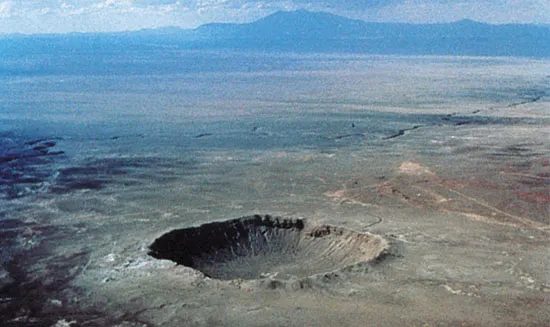
Sometimes, a larger chunk makes it through. These are the rare exceptions. If the meteoroid is big enough and dense enough, it doesn’t burn up entirely. It survives the fiery plunge and lands on the surface. At that point, it is no longer a meteor. It is a meteorite.
These solid bodies are precious to scientists. They offer a piece of the early solar system that we can hold in our hands. But for the rest of us, the main event is the light show.
The Bigger Picture
You might hear about meteor showers when Earth passes through the debris trail left by a comet. These events increase the number of meteors visible in the sky, but the physics remain the same. The debris enters the atmosphere. It heats up. It glows. It fades.
The next time you see a streak of light, remember the scale involved. A speck of dust, moving faster than a bullet, turning into light. It’s a reminder of how much space is happening right above our heads. We just have to look up to see it.