The World Health Organization (WHO) has firmly stated that the recent hantavirus outbreak aboard the cruise ship MV Hondius is not poised to trigger a global pandemic. In a decisive move to quell rising public anxiety, WHO experts emphasized that the situation is fundamentally different from the widespread respiratory pandemics seen in recent years.
While the outbreak has resulted in fatalities, health authorities maintain that the virus’s transmission dynamics are poorly suited for mass spread. The current focus is on targeted isolation and monitoring rather than broad societal lockdowns.
Why This Is Not a Repeat of COVID-19
During a press briefing, WHO scientist Maria Van Kerkhove addressed the core of public fear by drawing a sharp distinction between this event and previous global health crises.
“This is not covid; this is not influenza. This is not the start of an epidemic; this is not the start of a pandemic.”
The primary reason for this confidence lies in how the virus spreads. Unlike SARS-CoV-2 or influenza, which transmit easily through airborne droplets in casual contact, the specific strain identified on the cruise—Andes virus —requires close physical contact to pass from one person to another. This inefficiency in transmission acts as a natural barrier to widespread community spread.
The Current Situation: Facts and Figures
The outbreak has so far impacted a limited number of individuals:
* Confirmed Cases: 5
* Suspected Cases: 3
* Deaths: 3
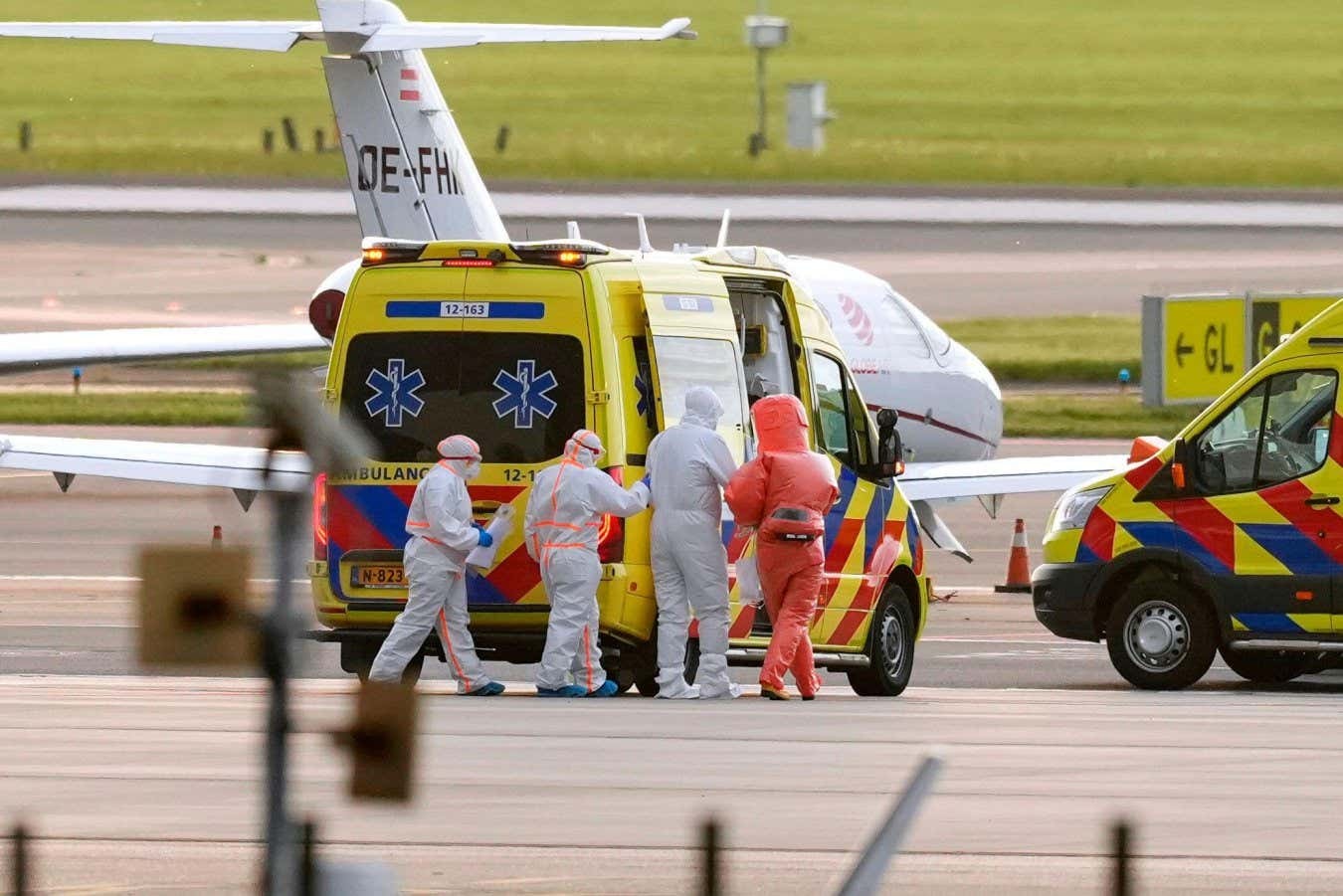
Despite the severity of the outcomes, the clinical trajectory for survivors is positive. The WHO reported that patients hospitalized in the Netherlands and those in intensive care in South Africa are improving.
Director-General Tedros Adhanom Ghebreyesus noted that due to the virus’s six-week incubation period, additional cases may emerge in the coming weeks. However, he stressed that international cooperation and rigorous contact tracing have already established a robust framework to break the chain of transmission.
Context: A Precedent Exists
To provide perspective, WHO official Abdirahman Mahamud compared the current cruise ship incident to a documented outbreak in Argentina between late 2018 and early 2019. That event began at a birthday party with roughly 100 guests, ultimately infecting 34 people and causing 11 deaths.
While the mortality rate was high, the virus did not spread widely into the broader community. This historical precedent supports the current strategy:
* Symptomatic individuals: Must be isolated.
* Exposed individuals: Require only active monitoring, not quarantine.
Luis Marcos, an expert at Stony Brook Medicine, echoed this assessment, suggesting that standard isolation precautions are sufficient. He estimates that total infections among the cruise passengers will likely remain between 10 and 15 cases, with no potential for pandemic-scale expansion.
The Scientific Debate: Low Immediate Risk, Long-Term Vigilance
While the immediate threat of a pandemic is deemed low by most experts, some scientists urge caution regarding the broader ecological landscape of hantaviruses.
Luis Escobar of Virginia Tech argues that hantaviruses, particularly those causing respiratory syndromes, possess inherent pandemic risks. His team’s 2025 study revealed that the virus has a wider host range than previously understood:
* Analysis of 14,000 blood samples from 49 species across 45 field sites.
* Identification of 296 positive samples across 15 rodent species.
* Discovery of six new host species not previously linked to the virus.
* Identification of hotspots in Colorado, Virginia, and Texas.
Despite these findings, Escobar acknowledges that the current public health measures—specifically isolation and contact tracing—are effective at mitigating the immediate risk posed by the MV Hondius outbreak.
Conclusion
The hantavirus outbreak on the MV Hondius is a serious but contained health event. Because the Andes virus requires close contact to transmit, it lacks the airborne efficiency necessary for a global pandemic. Current strategies of isolating the sick and monitoring the exposed are proving effective, ensuring that while the virus remains a threat to close contacts, it poses no imminent danger to the general global population.