Bzzzzzt.
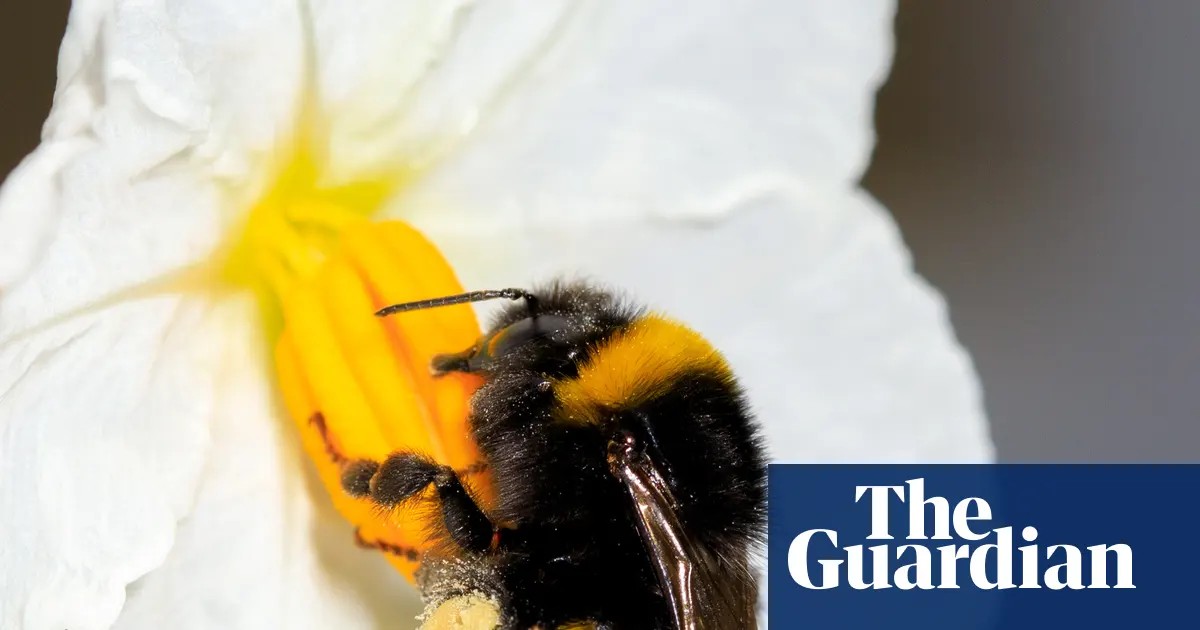
That sound you hear in the garden? It is expensive. Like, really expensive. A new study confirms that the way bees shake pollen loose from flowers drains them as much as taking flight. Maybe more.
We usually think bees fly hard. We picture the wing blur and assume that’s where the energy goes. But the reality is messier. The vibration. The shake. Scientists call it floral sonication. I call it buzzing.
Researchers at the University of Sussex hooked up buff-tailed bumblebees to respirometry gear and lasers. They wanted numbers. Hard data. What they found was shocking, not because it’s complex, but because it’s brutal.
One single buzzing event costs the same as a flight takeoff.
Think about that. The initial launch into the air? Equal to vibrating a flower head for pollen.
But the flight ends. The buzz can go on. Longer vibrations mean deeper energy drains. It challenges the whole textbook idea that flight dominates the bee’s budget. It doesn’t. Not always. The metabolic rate during these buzzes hits 30 times their resting state. They are pushing themselves to the red line. Just to grab dust.
Natacha Rossi led the research. She pointed out the obvious consequence. Bees aren’t mindless collectors now. They are calculators. With nectar becoming unreliable due to habitat loss or weird weather, bees have to choose carefully.
“The energetic demands of pollination could influence… which plants they pollinate.”
They skip the low-reward flowers. They conserve. It’s survival math.
And the timing is bad. Really bad. The Bumblebee Conservation Trust reports UK bumblebee numbers dropped by 25% in 2024 compared to the recent average. Why? Cold. Wet. Unforgiving springs. 2025 shows some recovery, but many species remain below their historical baselines. Stress compounds stress. When energy budgets get tight, weak individuals fade.
Beth Nicholls put it simply. Floral buzzing is a huge part of their daily life. Previously ignored. Now front and center.
Mario Vallejo-Marin from Uppsala University added context. They always suspected it was expensive. Now they have a price tag. Quantitative predictions matter. We can start modeling how this energy tax affects the evolution of the bees and the flowers they rely on.
But the pain doesn’t end at the vibration.
Here is the kicker. Once the pollen is loose, the work isn’t done. The bee enters a grooming phase. They have to pack the dust into their sacs. That takes effort. More effort.
Then. The payoff. They are heavier. The pollen is heavy. To lift off now, carrying this extra dead weight, requires even more power. It’s a two-phase trap. Vibrate. Clean. Lift heavier.
Why do they do it?
Because the plants need them. And we need the plants.
But as habitats shrink and nectar becomes scarce, that energy balance tips. One extra mile flown. One extra flower buzzed. It matters. We used to think the buzz was just noise. Now we know it’s a bill coming due. And bees are tired of paying. 🐝