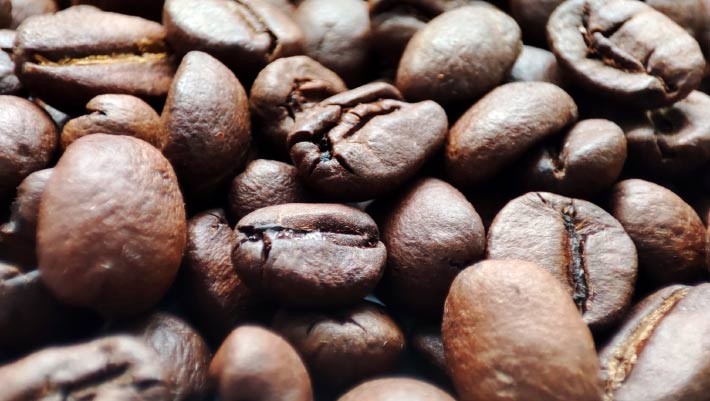
For decades, epidemiological studies have pointed to a consistent pattern: people who drink coffee tend to live longer and suffer fewer chronic diseases. While the correlation is clear, the biological mechanism has remained a puzzle. Now, researchers at Texas A&M University have identified a specific molecular link that may explain why this daily habit is so beneficial.
The study suggests that the health benefits of coffee are driven not by caffeine, but by a complex mix of polyphenols and other compounds that activate a specific protein receptor in the body known as NR4A1.
The NR4A1 Connection
The core of the research focuses on NR4A1, a nuclear receptor that acts as a guardian of cellular health. This protein is activated in response to inflammation and cellular damage, playing a crucial role in protecting tissues and regulating aging processes.
“If you damage almost any tissue, NR4A1 responds to bring that damage down,” explained Professor Stephen Safe, a lead author of the study. “If you take that receptor away, the damage is worse.”
In their experiments, the team discovered that brewed coffee—and several of its key chemical components—binds directly to NR4A1. This interaction appears to modulate the body’s response to stress and inflammation, potentially reducing the risk of age-related conditions such as metabolic disease, certain cancers, Parkinson’s disease, dementia, and cardiovascular issues.
Polyphenols Over Caffeine
Perhaps the most significant finding of the study is what doesn’t drive these benefits: caffeine.
Coffee is a chemically complex beverage containing over 1,000 different compounds. While caffeine is the most famous ingredient, the researchers found it had relatively weak and variable effects on the NR4A1 receptor compared to other components. Instead, the primary drivers of the health benefits appear to be polyphenols (such as caffeic acid, chlorogenic acid, and ferulic acid) and diterpenes (like kahweol and cafestrol).
“Caffeine binds the receptor, but it doesn’t do much in our models,” Professor Safe noted. “The polyhydroxy and polyphenolic compounds are much more active.”
This distinction helps resolve a long-standing question in nutrition science: why do decaffeinated coffee drinkers often show similar health benefits to those who drink regular coffee? The answer lies in the polyphenols, which remain present regardless of caffeine content.
Implications for Cancer and Aging
The study also examined how these compounds affect cancer cell lines. Extracts from brewed coffee and several isolated compounds were shown to slow cell growth. When the researchers artificially reduced the levels of NR4A1 in these cells, the anti-growth effect diminished. This suggests that NR4A1 is indeed the mediator through which coffee exerts its protective biological activity.
Furthermore, many of these coffee compounds act as inverse agonists, dampening the activity of NR4A1 in ways that may counteract signals that promote tumor growth. This nuanced interaction highlights that coffee’s benefits are not just about adding antioxidants, but about actively regulating how cells respond to damage and stress.
Why This Matters
This research moves the conversation about coffee from observational correlation to biological mechanism. It reinforces the idea that whole foods and beverages often provide benefits that isolated supplements cannot replicate, due to the synergistic effect of multiple compounds.
For consumers, the takeaway is reassuring: the health advantages of coffee are robust and chemically grounded. Whether one chooses regular or decaffeinated, the presence of bioactive polyphenols ensures that the beverage remains a potent contributor to long-term health, mediated through the body’s own protective receptors.
The findings, published in the journal Nutrients, provide a scientific foundation for what many coffee lovers have long suspected: their daily cup is more than just a source of energy—it is a complex mixture of protective agents that help the body maintain its defenses against aging and disease.