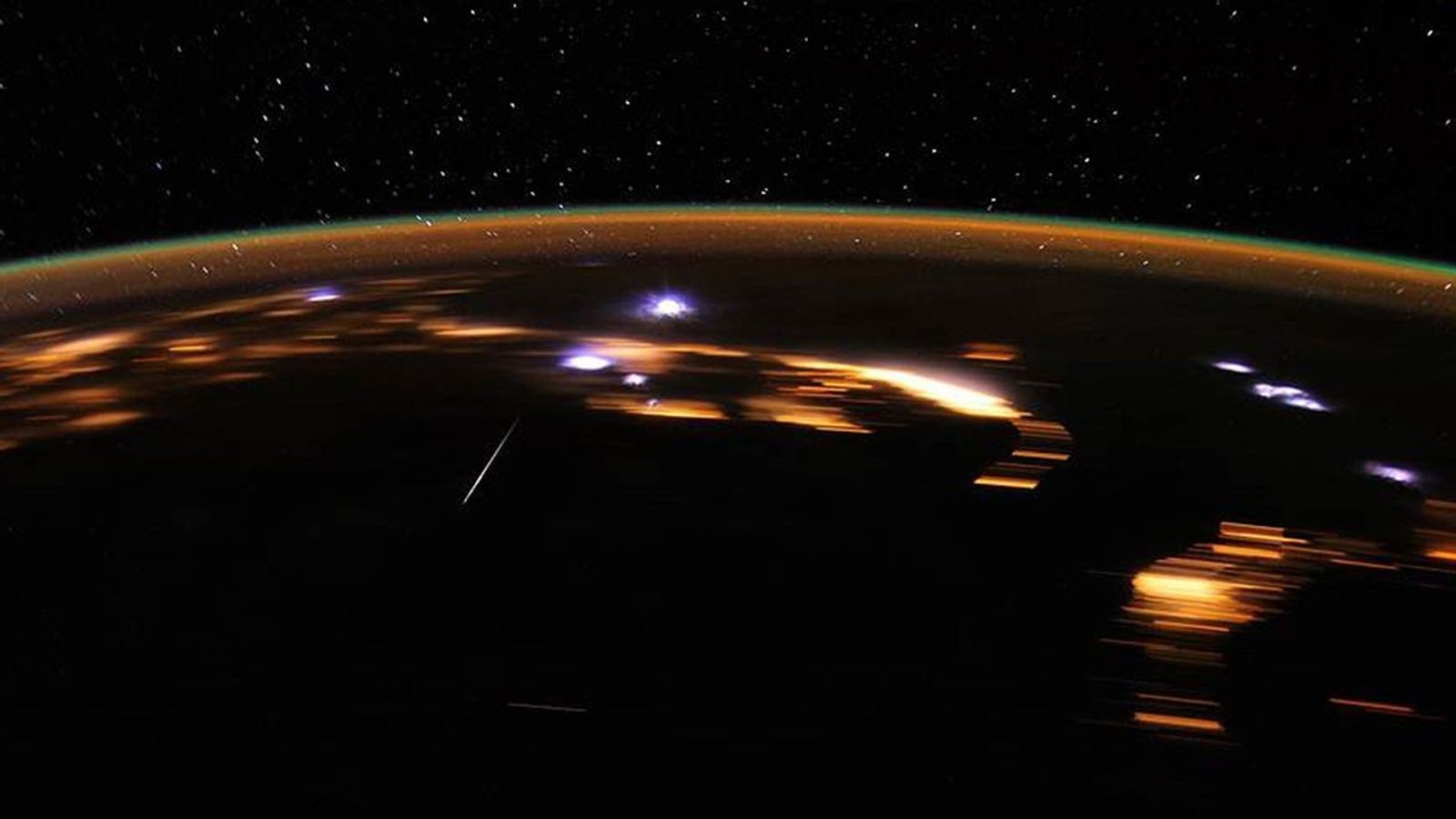
The night sky is preparing for its first major celestial display of the spring season. The Lyrid meteor shower, one of the oldest recorded astronomical events, is set to reach its peak on Wednesday, April 22, offering stargazers a chance to witness streaks of light across a dark, unobstructed sky.
When and How to Watch
While the Lyrid activity spans from April 14 to April 30, the most intense viewing window occurs around the peak on April 22. According to the American Meteor Society, observers in North America and Europe can expect to see between 10 and 20 meteors per hour.
To maximize your chances of seeing the display, timing is everything:
* The Best Window: The early morning hours—specifically around 5:00 a.m. —are ideal. This is when the “radiant point” (the area in the sky where the meteors appear to originate) rises higher in the constellation Lyra.
* Evening vs. Morning: While post-sunset viewing is possible, the pre-dawn hours typically offer the most favorable viewing conditions.
Perfect Astronomical Conditions
One of the biggest challenges for meteor watching is “light pollution” from the moon, which can wash out the fainter streaks of light. Fortunately, the 2026 timing is highly favorable:
* The new moon occurs on April 17, meaning by the peak on April 22, the moon will be a thin crescent.
* The moon will set in the west just as the Lyra constellation rises in the east, ensuring the sky remains dark enough for high visibility.
What Makes the Lyrids Unique?
While the Lyrids do not reach the massive hourly rates of the Perseids (August) or the Geminids (December), they possess unique characteristics that make them worth the watch.
Fireballs and Sudden Bursts
The Lyrids are famous for producing “fireballs” —exceptionally bright meteors that can leave glowing trails in their wake. Furthermore, the shower is known for unpredictable “outbursts.” While the average rate is modest, historical data from NASA shows that in years such as 1803, 1922, 1945, and 1982, the rate spiked to as many as 100 meteors per hour. Because these bursts are tied to the density of debris, they are nearly impossible to predict in advance.
The Source: Comet Thatcher
These “shooting stars” are actually fragments of dust and debris left behind by Comet C/1861 G1 (Thatcher). As Earth passes through this debris field every year, these particles burn up upon entering our atmosphere. Comet Thatcher is a long-period comet with an orbit of roughly 415.5 years; having last visited the inner solar system in 1861, it is not expected to return until approximately the year 2276.
Tips for Stargazers
To get the most out of this event, follow these simple guidelines:
1. Escape the City: Find a location far from urban light pollution.
2. Check the Weather: Clear skies are essential for visibility.
3. Be Patient: Give your eyes at least 20–30 minutes to adjust to the darkness.
4. Look Everywhere: Meteors can appear anywhere in the sky, not just near the radiant point.
The Lyrid meteor shower offers a unique blend of predictable celestial mechanics and the thrilling possibility of sudden, bright outbursts.
Summary: The Lyrid meteor shower peaks on April 22, 2026, providing an excellent viewing opportunity due to minimal lunar interference and the potential for bright fireballs.