Nine deaths in a few days. That is the headline now.
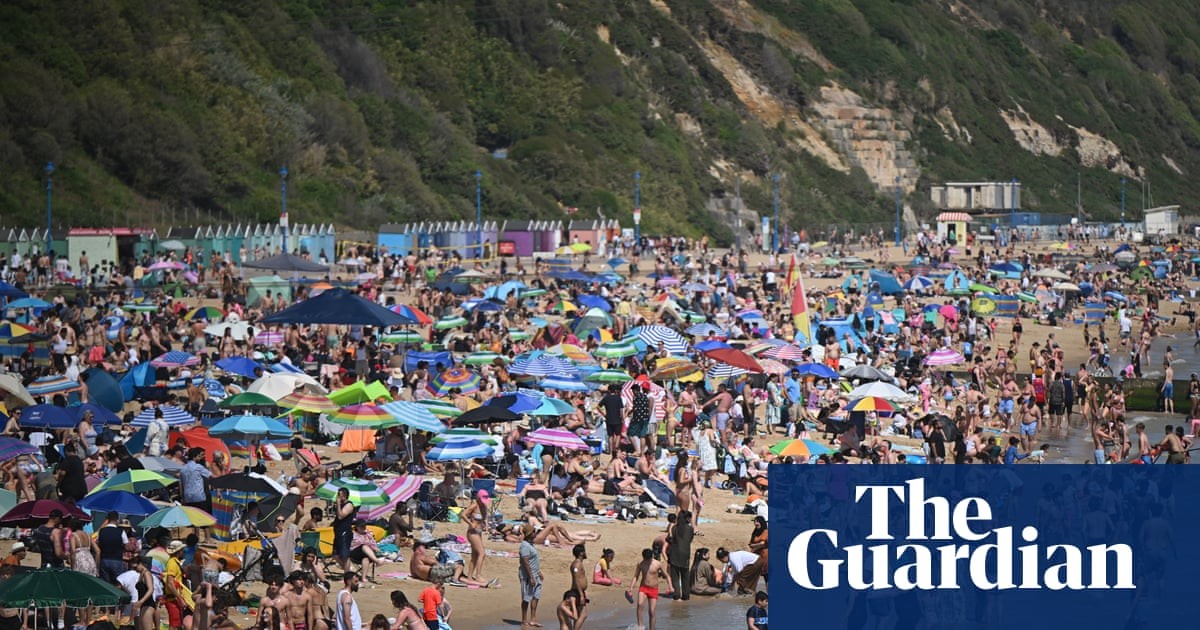
The UK is baking. It is hot. Really hot. So everyone rushed to the rivers. Lakes. Beaches. Anyone trying to beat the heat is finding that nature doesn’t care about their comfort. It doesn’t care if they are eighteen or sixty-two. It just waits.
Cheshire Constabulary pulled a boy’s body from Pick Mere on Wednesday. He was seventeen. He last looked at the sky before the water took him. It isn’t an isolated tragedy. Not this week. A girl and five other boys are dead too. Scattered across Yorkshire. Warwickshire. Hampshire. Lincolnshire. Lancashire. A map of grief drawn in red dots.
In Cornwall, a man in his sixties went down. He wasn’t the one in trouble. He went in to help relatives at Tregirls Beach. His heart stopped. He couldn’t beat the current. Or the shock. In Wales, a seventy-two-year-old woman vanished into the surf at West Angle Bay. She never came back.
It always happens like this. When the sun breaks out in May, the death toll spikes. The air goes up. The water stays frozen.
“The water hasn’t had time to warm up. That is a known problem. We see it every year.”
Dr Heather Massey knows the physiology. She sees it as a trap. You stand there. Your skin soaks up the radiation. You get hot. Flustered. You want relief. So you step into the lake. But the water is essentially winter water. Still holding onto the chill of last month. The contrast isn’t just unpleasant. It is physiological chaos.
Cold water shock hits instantly. Your lungs seize. You gasp. Not for air, but involuntarily. Your heart hammers against your ribs. If you jump in, you inhale before you surface. You drink the lake.
Don’t dive in. Ever.
Massey says the shock peaks in thirty seconds. It lingers for two minutes. If you can ride out that minute and a half without panicking, your body acclimatizes. Your breathing slows. Only then can you swim. Dip your hand. Step in. Wait. Let your nervous system stop screaming at you.
Data from the National Water Safety Forum backs the horror. Deaths rose last May and stayed high through August. Most victims were young men. More than half of them didn’t make it on the coast. They drowned inland. Rivers and reservoirs are silent killers. They don’t have tides. They don’t warn you.
Research from Bournemouth found something stark last year. Temperatures above 25C tripled drowning risks compared to average summers. And alcohol? It was often present. It slows reaction time. It messes with balance. It makes cold shock harder to survive.
If you fall in, do not fight. Roll on your back. Tilt your head back until your ears are underwater. It keeps the mouth dry. It helps you float. Just breathe. Calm the panic. Use your arms to stay up. That’s the “Float to Live” advice.
See someone else struggling? Phone first. Float second. Throw third. Call for help. Tell them to float. Throw them a buoy. Don’t jump in unless you are a professional. You will become a second victim.
Gavin Ellis from the Fire Chiefs Council puts it plainly. Families shouldn’t lose anyone to this. He wants parents to talk to kids. Actually talk. Not just warn, but discuss the danger. Young people need to look out for each other. Decisions happen fast around water. Consequences happen faster.
Is it worth it? Maybe. The sun feels good. The escape feels necessary.
Just know that the river does not know you.