


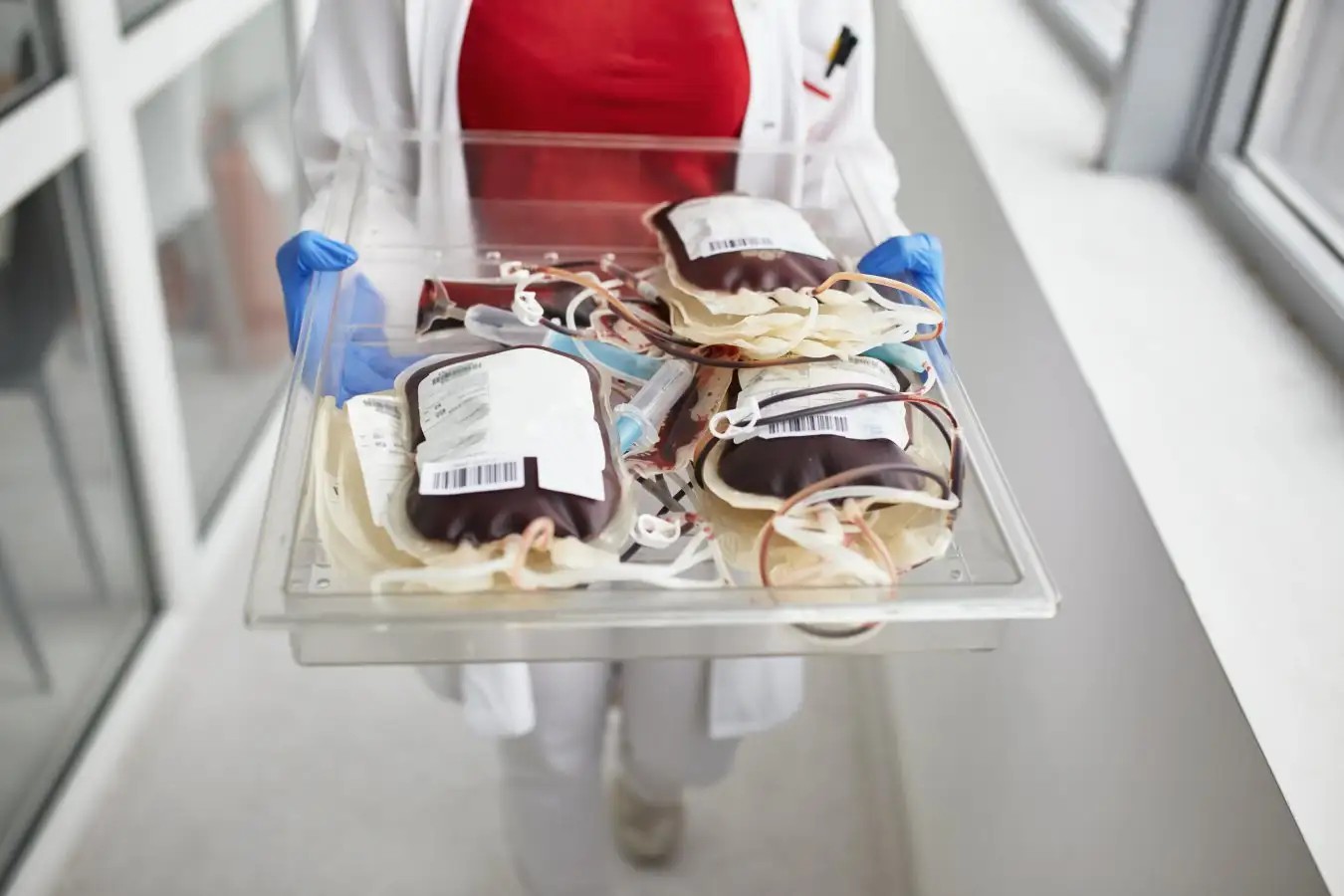
A growing trend of patients requesting blood specifically from unvaccinated donors is creating significant medical risks and operational hurdles for hospitals. Recent findings suggest that these requests, fueled by vaccine misinformation rather than clinical necessity, are leading to dangerous treatment delays and potential organ damage.
The Rise of “Directed Donations”
At the Vanderbilt University Medical Center in Nashville, Tennessee, researchers observed a concerning pattern between January 2024 and December 2025. They identified 15 instances where patients or their caregivers specifically requested directed donations —blood provided by a specific individual, such as a relative, rather than from the general hospital supply.
In all 15 cases, the motivation was identical: the request was for blood from a donor who had not received a COVID-19 vaccine.
Why this matters:
- Clinical Risk: Because directed donations are not part of the routine, high-volume blood supply, they are harder to coordinate. This has led to critical delays in care.
- Severe Consequences: One patient experienced a drop in hemoglobin to life-threatening levels, risking organ failure, while another developed anemia.
- Safety Paradox: While intended to provide “peace of mind,” directed donations can actually carry a higher infection risk. Unlike regular community donors who are frequently screened and monitored, one-off directed donors may not be as thoroughly vetted by the blood bank’s routine protocols.
Debunking the Medical Concern
Medical experts emphasize that there is no scientific evidence suggesting that vaccinated blood is less safe for transfusion.
“The community blood supply is already highly regulated and carefully screened, and there is no evidence that requesting unvaccinated blood improves transfusion safety,” says Jeremy Jacobs of Vanderbilt University Medical Center.
The fear surrounding mRNA vaccines—which work by teaching cells to produce a protein that triggers an immune response—often stems from unfounded conspiracy theories. Despite rigorous research confirming their safety, misinformation continues to falsely link these vaccines to DNA alteration or fertility issues. A 2025 study reaffirmed that receiving blood from vaccinated individuals poses no risk to the recipient.
A Global Trend of Vaccine Hesitancy
This issue is not isolated to a single hospital in the United States; it reflects a broader societal tension regarding vaccination:
- In the UK: The Welsh Blood Service has reported increased inquiries regarding donor vaccination status, and a petition to split the blood supply by vaccination status was recently rejected by the government.
- In the US: While the practice of directed donation is legal, it is generally discouraged due to its complexity. However, in Oklahoma, some legislators have even proposed laws to mandate patient access to unvaccinated blood.
The Operational Burden
Managing directed donations is significantly more taxing for healthcare systems than using the standard blood bank. It requires extra layers of:
1. Coordination between the family and the hospital.
2. Collection and processing of specific units.
3. Tracking and timing to ensure the blood arrives when the patient needs it most.
“These requests illustrate how misinformation can create real operational burdens for patients, hospitals, and blood providers,” notes Jacobs.
Conclusion
The demand for unvaccinated blood is a byproduct of public mistrust in vaccines rather than a legitimate medical requirement. This trend poses a direct threat to patient safety by delaying critical treatments and straining the highly regulated systems designed to keep the blood supply secure.


