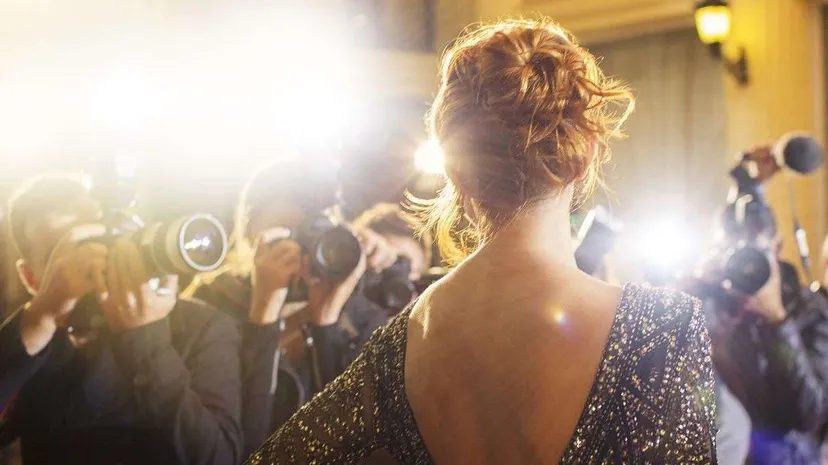
If you spent the afternoon scrolling through TMZ clips or watching Nightcrawler, the picture is probably crystal clear. This is a group of brothers who hunt the rich and famous with long lenses. You might think this is a show for men only. This is how Tom Cruise and Selena Gomez are surrounded by men with cameras every time they go out.
The field is heavy with men. But it is not empty. There were also women in the trenches. Their work is equally brutal.
Why is it difficult to become a female paparazzi?
Jennifer Buhl worked as a paparazzi in Southern California for three years. He later wrote a book called “Shooting Stars” documenting the experience. Her advice to aspiring female photographers is stark. Of course, technical skills are also required. Framing a shot matters. How you use your camera is important. But you also need street smarts. You have to predict where the celebrities will go next. You have to win the race there.
But when you become a woman, the rules change. Buhl told Cosmopolitan that the treatment of female employees was second-rate. From colleagues. From the subjects. She was pushed. She was spit on. Other photographers drove her off the road. Most of them didn’t say a word.
Hostility is not always subtle. In 2015, an anonymous female photographer met Kylie Jenner. The reality star didn’t just ignore her. Jenner called the woman a nasty name. She told her that women shouldn’t be photographed in Hollywood gutters.
Navigating a Misogynistic Industry
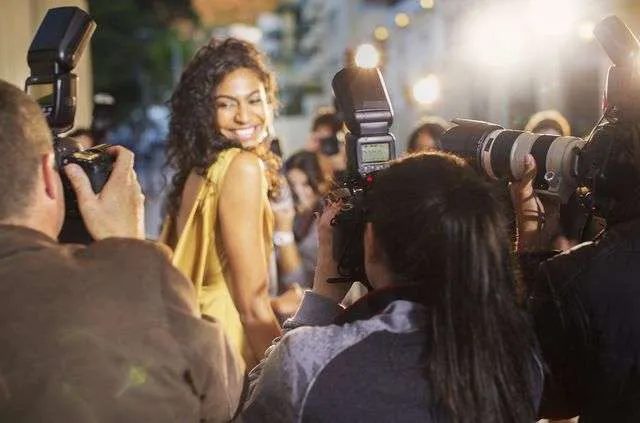
This creates an environment that is tough environment to break into. The atmosphere around celebrity scrums is aggressive. It is often misogynistic. Buhl said she only knows of only a few female paparazzi currently working in the United States. Using the correct terminology, they are paparazze. This number is still astonishingly small.
“To beat your competition, you need a bit of street savvy and the ability to anticipate your subject’s next move.”
Industry culture doesn’t make it any easier. The scrum following stars creates a special chaos. For women, that chaos is often personal. They face harassment from co-workers. They were ridiculed by celebrities they are paid to capture.
It’s not just about photography. It’s about surviving the environment while doing so.
The insect origin of the term #paparazzi and how it’s changing celebrity culture
It’s hard to imagine a world without them. Those relentless flashes. Those shouting fans. A swarm of cameras hovering over red carpets like angry bees. We call them paparazzi. But what about the name? This is entirely a figment of the director’s imagination.
This term does not come from street slang or the Italian press unions. The name comes from the character in Federico Fellini’s 1960 masterpiece La Dolce Vita. This movie is a milestone in the history of cinema. It defined an era. It gave us the most hated (and fascinated) professional hunters.
Why the name sounds like a buzz
Fellini wanted a name that felt disturbing. He needed words that mimicked the sound of a pest. He chose “paparazzi”. This is an onomatopoeia. It sounds like a bee. Or a fly. Or maybe the camera shutter clicks like crazy. This character is a gossip photographer. he follows the stars. He invaded privacy. The pronunciation of the word corresponds to the action.
What are the full names of the characters? The paparazzi. single. The plural is now “paparazzi”. It stuck. It spread to all languages. It becomes a verb. “Paparazzi” for someone. Today it has become one of the most famous words in the world.
The reality behind the myth
This is the turning point. There are no real paparazzi. Fellini invented him. The director took a sound and build a career on it. Before this scene, celebrity photographers were just “media” or “photographers”. They were less aggressive. Less stigmatized.
Fellini’s work redefined the relationship between audiences and celebrities. Photography becomes hunting. Make privacy a luxury. The word “paparazzi” still has a negative connotation. We blame the name for the crime. But the crime is in the script.
How it changed pop culture forever
The effect was immediate. The word spread faster than the film itself. It became synonymous with aggressive celebrity journalism. It has created a class of celebrities that cannot exist without cameras. A feedback loop is created. The more famous you become, the more paparazzi will flock to you.
Today we are talking about ethics. Is it harassment? Is it part of the job? Is it entertainment? The answer depends on who you ask. But what about the words themselves? This is a tribute to a fictional bug. imaginary noise. A fictional character. Invasion of privacy by fiction.
We still use this word. We still hate that word. We still love this word. It’s part of the fabric of fame. A bug that buzzed its way into history. And it never left.