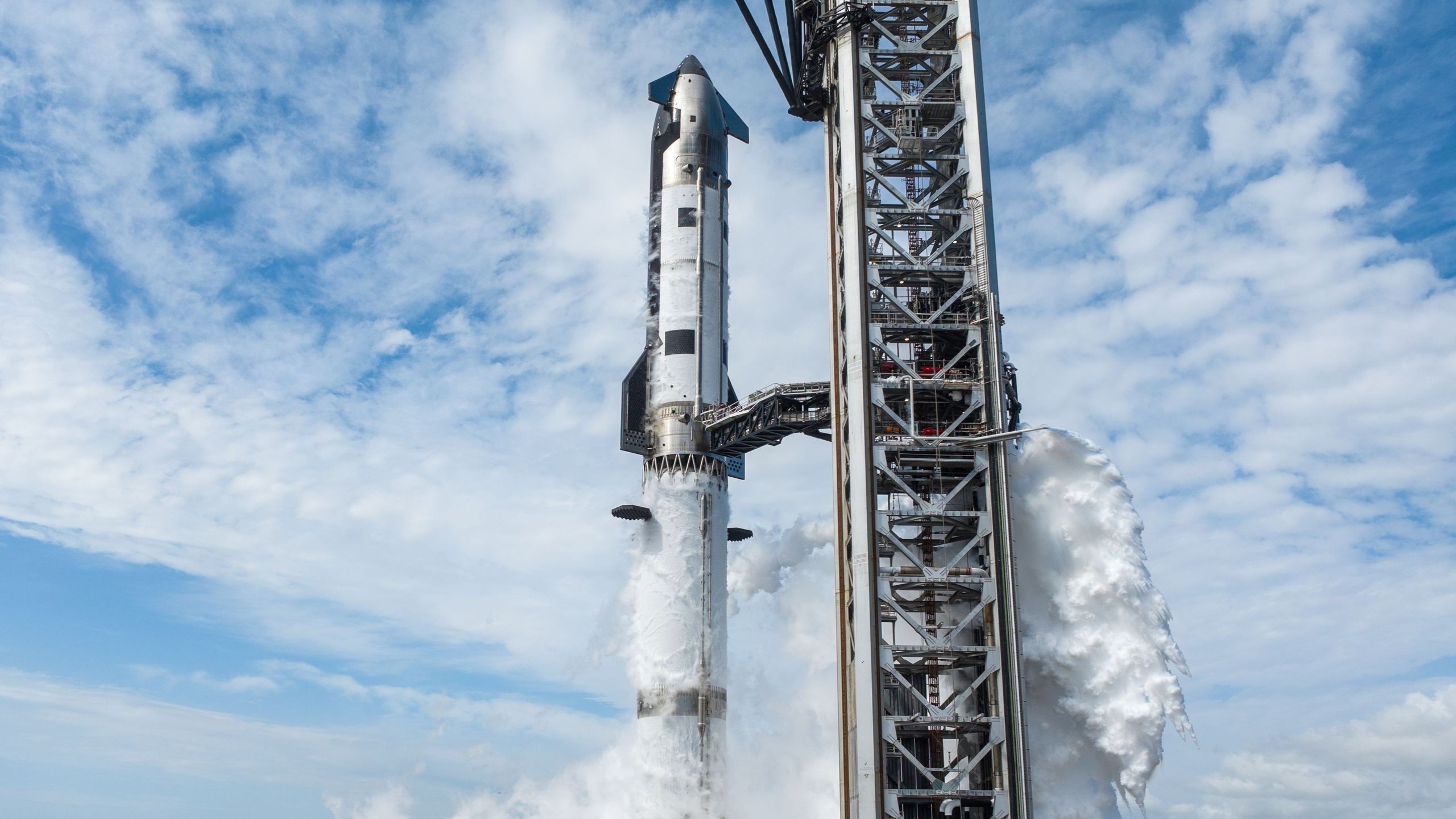
SpaceX is preparing to launch its next-generation Starship, the tallest and most powerful rocket ever constructed, as early as Tuesday, May 19. This event marks the 12th test flight of the vehicle and serves as the maiden voyage for the significantly upgraded Starship V3.
For SpaceX, this launch is a critical milestone. The company aims to avoid the dramatic explosions that have characterized previous tests and is working toward a 2028 deadline to land humans on the Moon for NASA’s Artemis program. With a launch window opening at 6:30 p.m. EDT from Starbase in southern Texas, the stakes are high. True to its unconventional branding, SpaceX’s countdown schedule does not end with “liftoff,” but rather with the promise of “excitement guaranteed.”
A History of Setbacks and Successes
Starship’s development has been a rollercoaster of engineering challenges and breakthroughs. The program has faced significant hurdles:
* Fiery Failures: The 7th and 8th test flights resulted in debris raining down from the sky.
* Technical Hurdles: The 9th flight missed its targets, and a pre-launch test for the 10th flight ended in an explosion on the launchpad.
* Recent Progress: Despite the turbulence, the 10th flight in August 2025 was deemed successful despite sustaining damage, and the 11th flight in October was executed cleanly.
This upcoming test represents a shift toward stability. By refining the vehicle’s design, SpaceX hopes to demonstrate that Starship is moving from a prototype phase into a reliable operational system.
Meet Starship V3: Bigger, Faster, Smarter
The latest iteration, Starship V3, is a monumental feat of engineering. Standing 407 feet (124 meters) tall, it is roughly the length of a football field and about 85 feet (26 meters) taller than NASA’s Space Launch System (SLS), which powered the Artemis II mission.
Key upgrades in this version include:
* New Engines: The vehicle is powered by Raptor 3 engines, which deliver greater thrust than previous models.
* Redesigned Booster: The Super Heavy booster features new grid fins for landing stability and a completely redesigned fuel transfer tube, allowing all 33 engines to ignite simultaneously.
* Enhanced Spacecraft: The upper stage has a redesigned propulsion system, increased fuel tank volume, and an improved reaction control system for better steering.
* Launchpad Improvements: The ground infrastructure has been upgraded with increased propellant storage and more pumps, enabling faster fueling cycles.
These changes are not merely cosmetic; they are designed to unlock Starship’s core capabilities, including full and rapid reuse, in-space propellant transfer, and the deployment of cargo and crew to the Moon and Mars.
What to Expect During the Flight
If the launch proceeds as planned, the test flight will last just over an hour. The sequence of events is designed to test specific functions of the new vehicle:
- Launch and Separation: The Super Heavy booster will lift Starship into a suborbital trajectory before detaching.
- Booster Return: The booster will flip around and return to Earth for a water landing in the Gulf of Mexico. Notably, SpaceX will not attempt its famous “catch” maneuver with mechanical arms, as this is the first flight of the significantly redesigned vehicle.
- Payload Deployment: The Starship spacecraft will deploy 22 Starlink simulator satellites. These dummies mimic the next generation of Starlink satellites, allowing engineers to test deployment mechanisms without risking actual commercial assets.
- Heat Shield Testing: Two of the simulator satellites will scan the Starship’s heat shield. In a deliberate engineering move, one heat shield tile has been removed to measure how aerodynamic loads shift on adjacent tiles when a gap exists. This data is crucial for understanding the vehicle’s resilience during re-entry.
- Engine Relight and Splashdown: The spacecraft will practice relighting one Raptor engine in space—a critical skill for orbital maneuvers—before executing a controlled splashdown in the ocean.
The Lunar Stakes: Competition and Complexity
The success of Starship V3 has implications far beyond SpaceX’s balance sheet. NASA is relying on commercial partners to return humans to the Moon, and SpaceX is in direct competition with Blue Origin and its Blue Moon lander for the contract to ferry astronauts to the lunar surface during the Artemis IV mission in 2028.
The path to the Moon is complex. NASA’s plan involves sending astronauts to lunar orbit in its Orion spacecraft, where they will rendezvous with a commercial lander. The lander will then descend to the surface and return the crew to Orion for the trip home. To prepare, NASA plans to test docking procedures with commercial landers in low Earth orbit next year.
However, challenges remain. The Artemis program is currently behind schedule and over budget. Furthermore, NASA is still waiting for suitable spacesuits from another commercial provider, highlighting the intricate web of dependencies required for human spaceflight.
The Bottom Line: NASA has made it clear that lander readiness will determine which company gets to take astronauts to the Moon in 2028. For SpaceX, a clean, successful test flight of Starship V3 is not just a technical victory; it is a vital step in securing its place in humanity’s return to the lunar surface.