


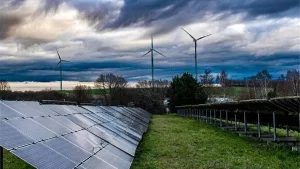
Germany is trying to rewrite how it powers its economy. The goal is simple on paper: ditch fossil fuels for renewable sources. This is the backbone of their national climate strategy.
But the reality on the ground is messier.
The Energiewende —as Germans call this massive overhaul—is supposed to do three things at once. It needs to cut carbon emissions. It must keep the lights on. And it has to stop relying on imported oil and gas.
Progress has happened. You can see the wind turbines popping up across the landscape. Solar panels are everywhere. The infrastructure is changing.
Yet, significant hurdles remain. The grid struggles to handle intermittent power. Storage solutions are expensive. And political pressure is mounting as costs rise.
Why is it so hard to untangle an entire energy system from decades of coal and gas? Because everything is connected. You cannot just flip a switch.
“The transition is not just about technology. It’s about economics, politics, and public tolerance.”
The ambition is high. The execution is fraught with friction. And the clock is ticking.
Powering the 2045 Goal: Germany’s Energy Transition Hurdles
The clock is ticking toward 2045. That is the hard deadline for Germany’s Energiewende to reach climate neutrality. To even stand a chance, renewables need to capture 80% of gross electricity consumption by 2030. This isn’t just a tweak to the grid. It requires ripping up the roots of how we power society.
You can’t just swap coal for wind and call it a day. The buildings sector needs a massive retrofit. We are talking about drastically better energy efficiency. This means modern appliances. It means smart grids that can actually talk to each other. The transport sector must shift gears entirely. Manufacturing processes need decarbonization. Even agriculture has to change its ways.
Then there is the nagging problem of security. Renewable energy is great until the wind stops blowing or the sun goes down. Supply must remain stable. Industrial plants and homes cannot afford blackouts. This requires flexible backup capacity. We need systems that can absorb shocks from fluctuating generation.
Diversification is the only way out of dependency. Relying on single energy sources is a liability. Hydrogen is often touted as the savior here. But it is just one piece of the puzzle. Other strategies for keeping the lights on include:
-
advancing storage technologies
-
reducing reliance on energy imports
-
boosting domestic production via geothermal and biomethane
-
upgrading power grids
-
establishing emergency protocols
-
building strategic reserves
-
encouraging decentralized energy generation
Why Permitting Is Stalling Green Progress
The government has a playbook. It focuses heavily on expanding wind and solar power. The targets are clear. The reality is messier. In 2023, only half of the planned onshore wind capacity was awarded. Half.
Why the delay? It is not a lack of will. It is a bottleneck of bureaucracy. The approval process is too slow. It needs to be faster. Not faster at the cost of quality or safety. Just faster. Administrative efficiency cannot be an afterthought. If we want to hit those climate targets, we cannot waste time on red tape.
The Hydrogen Reality Check
Green hydrogen is the other big bet. It involves using renewable electricity to split water molecules. The idea is to replace fossil fuels in heavy industry. Steel and chemicals are hard to decarbonize with batteries alone. Hydrogen could fill that gap.
But here is the catch. The cost is high. The infrastructure is missing. It will take time to get this technology to maturity. It is not a magic wand. It is a long-term investment. Don’t expect it to solve everything overnight. It is a building block, not the entire structure.

The Grid Lag and the Cost of Delay
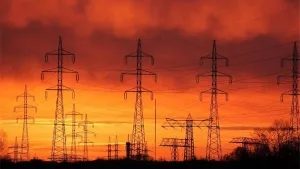
The power grid is lagging. We are talking about a seven-year delay here, with roughly 6,000 kilometers of new lines sitting on the drawing board instead of in the ground. This isn’t just paperwork. It’s a physical bottleneck that threatens to choke off the integration of renewable energy. When the grid can’t keep up, the renewable electricity generated simply vanishes. That’s money burned and emissions wasted.
We are missing the infrastructure to distribute power efficiently. The result is economic loss and an ecological mess. If the electrons can’t move from the wind farms in the north to the factories in the south, the whole system stutters.
Money Talks: The 600 Billion Euro Gap
Transitioning energy sources costs money. A lot of it. Estimates place the investment requirement at around 600 billion euros by 2030. That number is supposed to cover the ambitious goals. The reality? Actual investment volume is falling short.
High electricity prices are squeezing everyone. Households are paying more. Industry is paying more. Without targeted measures to dampen these costs, public acceptance will crumble. A weak economy doesn’t help the green transition. It undermines it. People don’t support a policy that empties their bank accounts faster than it saves the planet.
Public Skepticism: Trust Is Eroding
Acceptance is the fuel for this transition. And the tank is running low. Surveys show growing doubt about whether the set goals are even achievable. In November 2023, 77% of respondents said they didn’t believe Germany could get 80% of its electricity consumption from renewable sources by 2030.
Why the doubt? Delays. Challenges. The perceived gap between political promises and physical reality.
Transparency is the only antidote. Citizens need to be involved in the decision-making process, not just informed after the fact. Trust isn’t given; it’s built through consistent action and open communication. Without it, the social license to operate fades.
Nature vs. Infrastructure: A Delicate Balance
Building wind parks and high-voltage lines impacts ecosystems. This is the conflict between two green goals: decarbonization and biodiversity. It’s not enough to just say “go.” Planners must weigh environmental impacts carefully.
Legal challenges are slowing things down. Lawsuits regarding environmental issues and construction projects pile up. These need to be prioritized. Courts must rule faster. If nature protection measures take precedence, they must be implemented quickly and efficiently to allow construction to proceed anyway. Paradoxically, stricter environmental safeguards are needed to prevent endless legal blockades that stall projects indefinitely.
The Human and Tech Shortage
Who is going to build this stuff? There is a alarming shortage of skilled workers. The sectors most relevant to the energy transition are starving for talent. Without qualified personnel, neither renewable expansion nor grid modernization can happen at the required pace. It’s a hard stop.
Technology offers another layer of complexity. Integrating renewables into the existing grid requires innovation. Storage technologies. Smart grids. These aren’t optional upgrades; they are essential for flexibility and stability. The grid must become smarter to handle the intermittency of wind and sun.
Politics and Borders: A European Project
The energy transition isn’t just a national task. It’s European. Germany needs cooperation with its neighbors to build cross-border infrastructure. A reliable energy internal market requires strong links.
On the national level, political frameworks must be clear and reliable. Investors hate uncertainty. They need planning security to pour money into new technologies and infrastructure. Vague or frequently changing laws delay progress. They deter investment. The market needs signals that last longer than an election cycle.
The Path Forward
This is a central pillar of German climate policy. The opportunities for environmental protection and economic future are significant. But it requires concrete cooperation. Politics, business, and citizens must align.
The plan cannot end with the next legislative period. It needs continuity. The infrastructure must be built. The technology must be deployed. The public must believe it’s possible. The clock is ticking.

