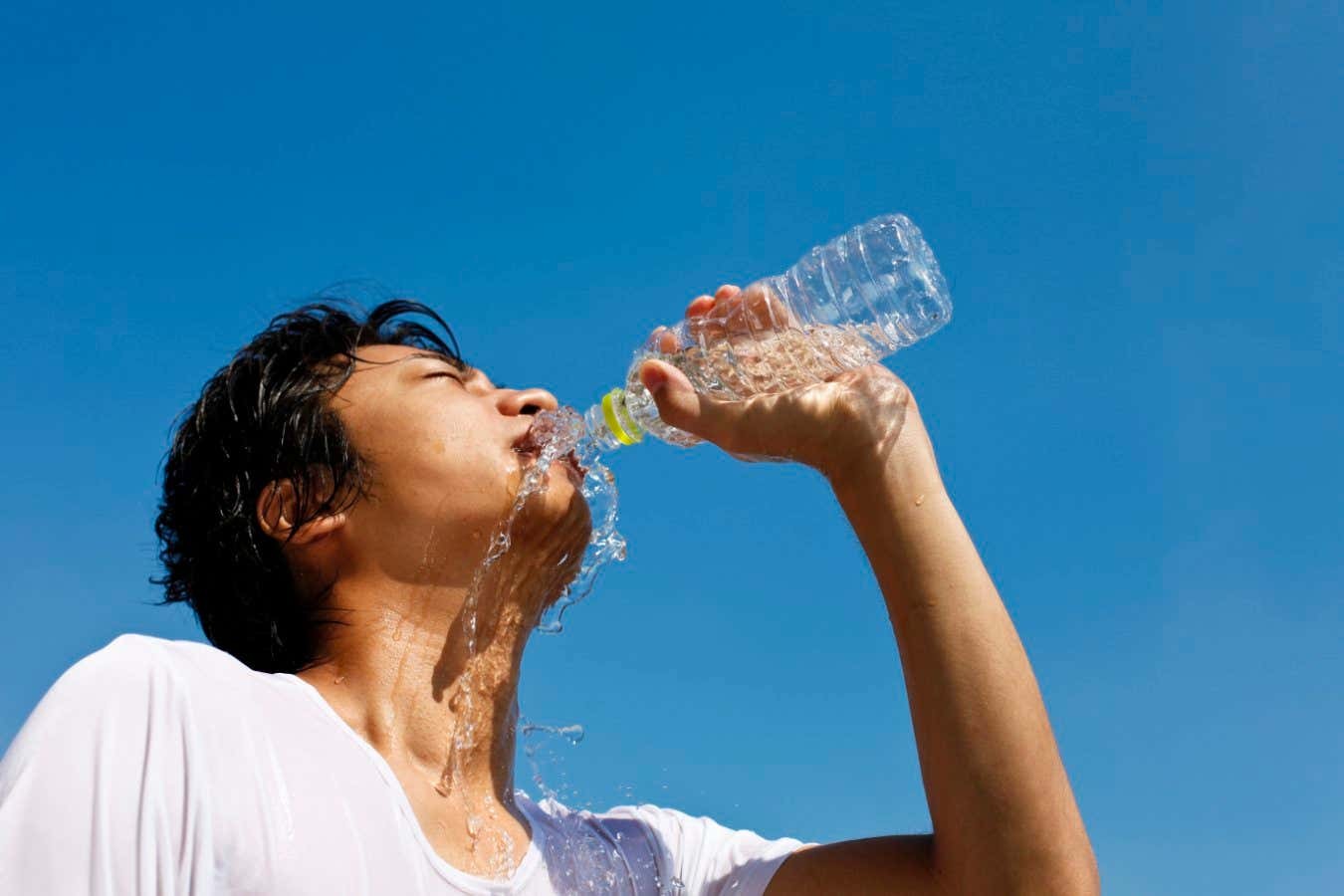
Water bottles have evolved from simple vessels into comically large status symbols. Driven by health influencers promising glowing skin, sharper brains, and peak athletic performance, the cultural mandate is clear: drink more water. But is chugging liters of plain water daily truly necessary? Or is it possible to overdo it?
Tamara Hew-Butler, a physiologist with over two decades of research experience and the medical research director for the grueling Western States Endurance Run in California, offers a nuanced perspective. Her work focuses on the delicate balance required in extreme endurance events, providing a scientific lens through which to view everyday hydration habits. Here, she dismantles four pervasive myths surrounding water intake.
1. The “Eight Glasses a Day” Rule is Outdated
The advice to drink six to eight glasses of water daily is a persistent cultural staple, but it lacks scientific precision. Hydration needs are highly individualized, fluctuating based on body weight, activity level, and environmental conditions. A 45-kilogram office worker does not have the same fluid requirements as a 100-kilogram rugby player training outdoors in the heat.
The Science of Thirst
Rather than adhering to an arbitrary quota, individuals should listen to their bodies. The human brain constantly monitors blood composition; when water levels drop, it triggers the sensation of thirst. This mechanism is a highly effective protective measure against dehydration.
Contrary to popular belief, feeling thirsty does not mean you are already severely dehydrated. It simply indicates that your body requires replenishment. For approximately 98% of the population, drinking in response to thirst is a sufficient and effective strategy for maintaining hydration.
2. Coffee Does Not Dehydrate You
Many people avoid coffee, tea, or other beverages, believing they contribute to dehydration due to caffeine’s reputation as a diuretic. This is a misconception. While caffeine has mild diuretic properties, the water content in a standard cup of coffee far outweighs any fluid loss caused by the caffeine.
Hydration Sources Are Diverse
Hydration is not limited to plain water. Foods such as fruits, vegetables, soups, and smoothies contain significant amounts of water. Even beverages like coffee and tea contribute to daily fluid intake.
The Exception: Alcohol
It is important to distinguish between caffeine and alcohol. Alcohol is a potent diuretic that increases urine production significantly. Therefore, while coffee can count toward your hydration goals, heavy consumption of beer or wine may lead to a net loss of fluids.
3. Drinking Beyond Thirst Offers Little Benefit
The idea that consuming excessive amounts of water provides additional health benefits—such as clearer skin, better immunity, or improved digestion—is largely unsupported by scientific evidence. The human body strictly regulates its water balance. If you consume more water than necessary, the kidneys simply excrete the excess.
The Danger of Overhydration
While drinking extra water rarely causes harm in small amounts, excessive consumption can be dangerous. This condition, known as hyponatremia, occurs when large volumes of water dilute sodium levels in the blood. Low sodium can cause cells, including brain cells, to swell. In severe cases, this cerebral swelling can be fatal.
Symptoms of hyponatremia include:
– Headache
– Nausea
– Bloating
Estimates suggest that consuming 3 to 4 liters of water within a one-hour period can trigger these symptoms. This risk is particularly relevant for endurance athletes who may mistakenly believe that drinking as much as possible prevents dehydration.
4. Sports Drinks Are Not Essential for Most Exercisers
Sports drinks are marketed as essential for replenishing electrolytes (such as sodium and potassium) lost through sweat. However, most people do not need these specialized beverages.
When Electrolytes Matter
Research indicates that electrolyte replacement is primarily necessary for:
– Extreme Duration: Exercise lasting more than 17 hours.
– Extreme Conditions: High-intensity activity in hot climates where the body is not acclimatized.
For the vast majority of people exercising for a few hours a day, the small amount of electrolytes lost in sweat can be easily replenished through normal dietary intake after the workout. Additionally, while sports drinks provide carbohydrates that can fuel intense performance, most casual exercisers do not deplete their carbohydrate stores to a degree that requires immediate liquid supplementation.
Conclusion
Effective hydration is less about rigid rules and more about biological awareness. Listening to thirst signals, recognizing that water comes from various food and beverage sources, and avoiding excessive intake are key to maintaining health. While extreme scenarios require careful planning, for most people, simple, responsive drinking habits are sufficient and safe.