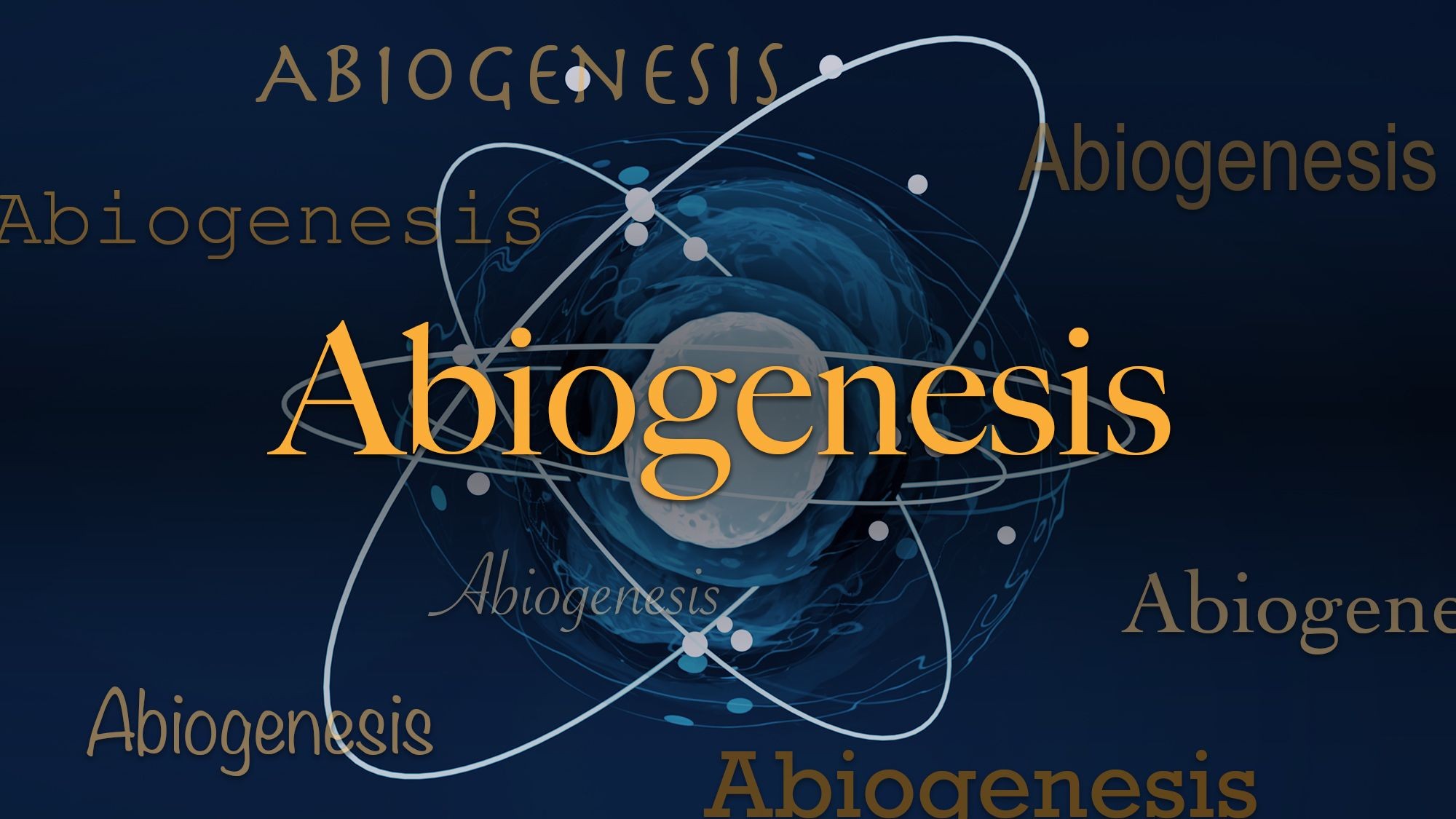
Abiogenesis. It sounds technical. It is. But it’s also the ultimate origin story.
Pronunciation is simple: Ay-bye-oh-JEN-ih-sis.
What it actually means? It’s the process where life emerged from nonliving matter via chemical reactions. We still don’t know the exact mechanics. Theories vary wildly. Some point to lightning strikes. These sparks supposedly scrambled water, methane, ammonia, and hydrogen. The result? Amino acids and sugars—the fundamental building blocks.
Other theories focus on deep-sea vents. Chemical reactions in those dark, high-pressure environments might have sparked the first steps.
This isn’t the same thing as spontaneous generation. Don’t confuse the two. Spontaneous generation suggested living creatures—like maggots—appeared directly from decaying meat. It made sense if you watched food rot. But Louis Pasteur disproved it in the 1880s. He showed microbes only grow from preexisting microbes.
So, when did real abiogenesis happen? Likely over 3.7 billion years ago. That incident, whatever its specific cause, may be the reason you’re reading this right now.
The Difference Between Abiogenesis and Spontaneous Generation
Why does this distinction matter? Because for centuries, people believed life just appeared. A dead mouse creates another mouse? No. That was the old belief.
Pasteur changed the game. His experiments proved life doesn’t just pop up from nowhere. It comes from previous life.
But that leaves the big question: If life can’t create itself, where did the first life come from?
Abiogenesis fills that gap. It’s not about a fly appearing on meat. It’s about complex chemistry evolving into simple biology. Over time. Without the need for a pre-existing parent.
Where Do We Look for Answers?
If you’re asking where scientists think this started, the clues are scattered.
- Primordial Soups : The idea that early Earth’s oceans were a chemical stew.
- Hydrothermal Vents : Deep-sea chimneys providing heat and minerals.
- Panspermia : Life arriving from space (though that just moves the problem elsewhere).
We don’t have a single confirmed answer. The record is old. Fragments of rock from that era are rare. Chemical signatures fade.
Still, the