Heatwaves don’t wait for permission.
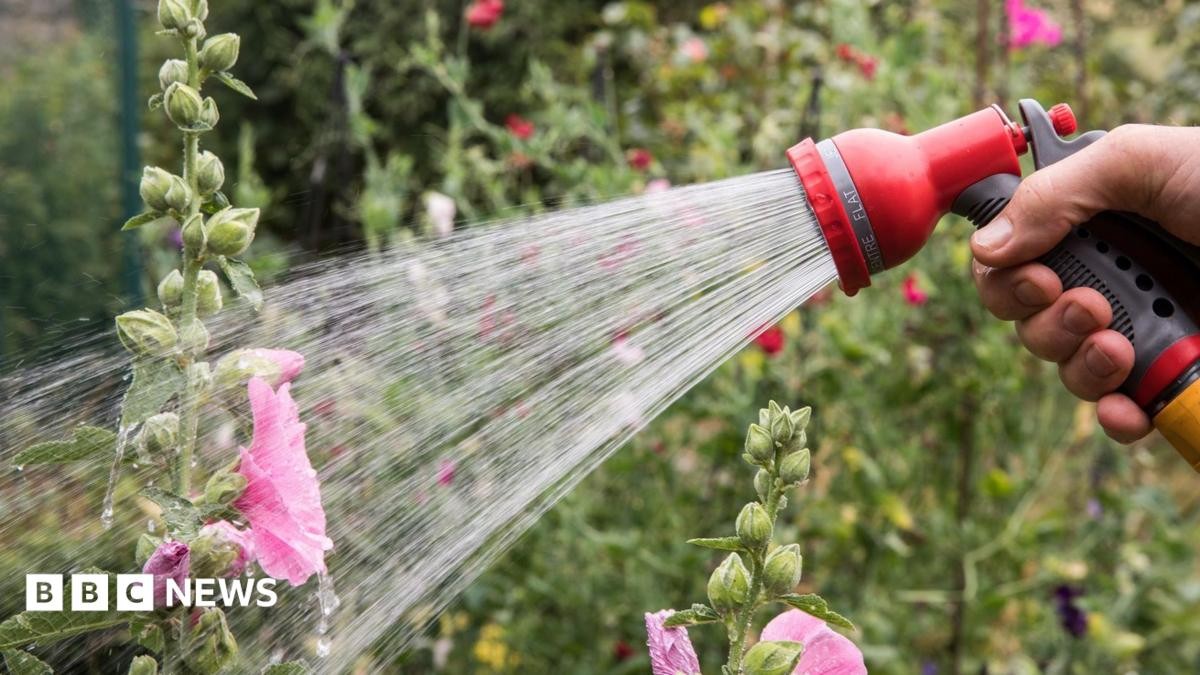
Millions in south-east England just got handed hosepipe bans. Water supplies are groaning. The numbers are stark—over eight million households can no longer water lawns, wash cars, or top up their pools. Just dry grass. That is the immediate reality.
“Without significant rainfall we could see increasing impactos on wildlife, agriculture and water resources.” — Steve Turner
But pause for a second. Winter wasn’t dry. In fact, it was unusually wet.
So why the panic now? It is the mismatch between supply and demand. Environmental bodies decide this based on water levels and forecasts. Two main labels trigger restrictions. Drought means simply no rain. Water scarcity is more bureaucratic—a mismatch of what you have versus what you need. This summer is all about demand.
Where are you standing?
England is mostly “normal,” say the regulators. But five companies have pulled the plug on hosepipes. East Anglia sits in “prolonged dry weather”—the step right before drought. Same for parts of Hampshire and the Isle of Wright. Wales? Normal. Northern Ireland? Officially dry.
Scotland doesn’t even use the word drought. They monitor scarcity. And on the River Lossie in the northeast, they are in “significant scarcity” mode. The highest alarm.
The underground lag
Water comes from three places. Rivers, reservoirs, and the ground beneath our feet.
River flows were low in June after the heat. Reservoirs tell a mixed story. Northern Ireland, Wales, and Scotland have “healthy” levels. Better than average. England? Roughly average. Some variation, sure. But south-east England has a different problem. It relies on groundwater.
This is ancient rain stored in rock cracks and soil pores. Winter refilled them. Spring drained them. Right now, levels are average or just below.
But rocks are slow. Very slow. Water moves through some geology at a glacial pace. Years, sometimes. This lag creates a buffer. Prof Alan MacDonald calls it a useful defense during drought.
It is a double-edged sword. Groundwater droughts take forever to arrive. Once here? They last a long, long time.
A thirstier sky
Why is this getting harder to manage? Climate change isn’t a distant theory for hydrologists.
The Met Office predicts drier summers as the world warms. The data isn’t a clear straight line yet. But physics is undeniable. Warm air acts like a sponge.
Richard Allan puts it bluntly. A warmer atmosphere drinks from the soil. It sucks moisture out of rivers and reservoirs faster than ever before. The result is rapid onset of heatwaves and fires.
It isn’t just nature though. It is us.
A recent review hammered English and Welsh water companies. They underinvested in infrastructure for decades. History catches up. The government is planning nine new reservoirs by 2050. One is already digging up the ground in Havant Thicket, Hampshire.
Will that be enough? The Environment Agency suggests leaks need fixing. Demand needs control. More smart meters. Maybe more bans.
Scotland, Wales, and Northern Ireland handle this differently. Their companies are public or non-profit. They claim they are securing the future.
But back in the southeast? You look at your lawn. You look at the tap. You wait for rain.