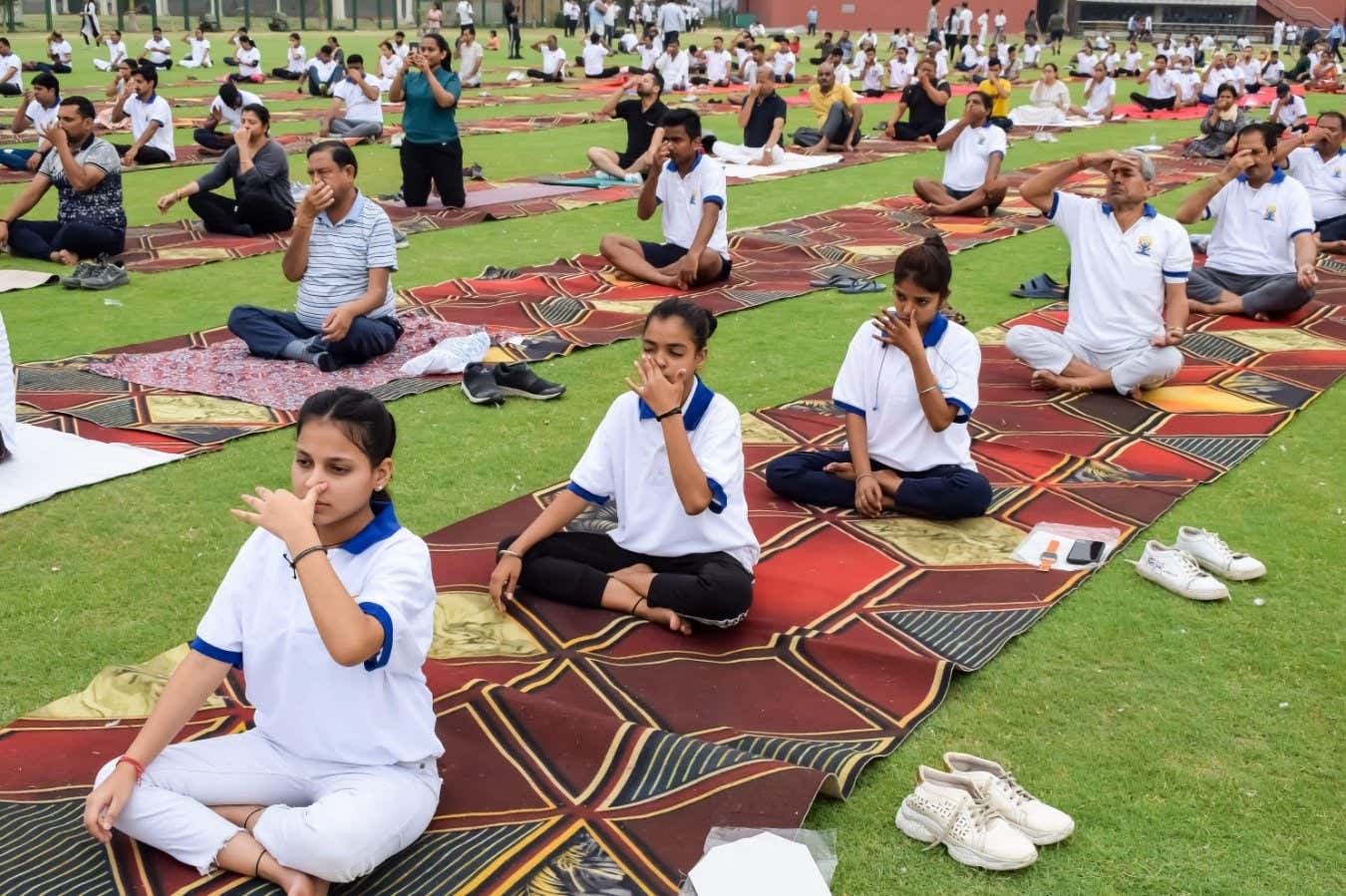
For decades, the advice to “take a deep breath” has been a go-to remedy for stress. While most people intuitively know that slow breathing reduces anxiety, the mechanism behind it has often been dismissed as merely psychological. Critics have suggested that the relief comes from a placebo effect —the belief that one is calming down, rather than any actual physiological shift.
However, new research presented at the Embodied Minds Summit in Los Angeles challenges this view. A study led by UCLA neuroscientist Jack Feldman provides compelling evidence that slow breathing triggers a biological calming response, independent of conscious belief or mindfulness.
Disproving the Placebo Hypothesis
The core of Feldman’s argument rests on a simple but powerful logic: mice do not meditate.
In experiments conducted with mice, researchers observed that subjects trained to breathe more slowly exhibited significantly reduced fear-related behaviors in standard anxiety tests. Since mice lack the cognitive capacity to understand the concept of “calming down” or to hold a belief in the efficacy of breathwork, any reduction in anxiety must stem from physiological changes.
“It’s not a placebo effect because the mice don’t know it’s supposed to calm them down,” Feldman explains. This finding isolates the physical act of breathing from the mental act of mindfulness, proving that the body’s response to slow respiration is hardwired into our biology.
The Brain’s Breathing Pacemaker
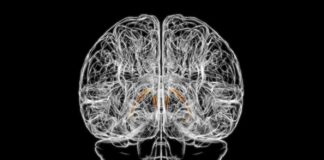
To understand how this works, one must look at the pre-Bötzinger Complex (preBötC), a small region in the brainstem identified by Feldman in 1991 as the “master pacemaker” for mammalian breathing.
- Automatic Function: In most mammals, the preBötC operates autonomously, adjusting breathing rates based on metabolic needs.
- Human Override: In humans, this region is connected to cortical areas responsible for decision-making. This unique neural wiring allows us to consciously override our automatic breathing rhythm—a capability essential for speech, singing, and laughter.
Because mice cannot voluntarily control their breathing rhythms, Feldman’s team used optogenetics, a technique that uses light-sensitive proteins to activate specific neurons. By targeting neurons in the preBötC that inhibit inhalation and prolong exhalation, researchers were able to slow the mice’s breathing rate by up to 70 percent using pulses of light.
Long-Term Physiological Changes
The effects of this intervention were not temporary. After four weeks of daily stimulation, the mice maintained slower breathing rates even between sessions, indicating a lasting physiological adaptation.
When tested three days after their final training session, the “slow-breathing” mice showed distinct behavioral changes compared to control groups:
* Reduced Freezing: They were significantly less likely to freeze in stressful situations, a common sign of anxiety in rodents.
* Increased Exploration: They spent more time exploring open spaces, whereas control mice tended to hide in dark corners for safety.
These results demonstrate that the link between slow breathing and calm is a “bottom-up” process. The physiological change in breathing rate directly influences emotional states, regardless of whether the individual is consciously aware of it.
Mindfulness vs. Mechanics
This discovery does not render mindfulness obsolete. Andrea Zaccaro, a neuroscientist at the University of Chieti-Pescara in Italy, notes that the study isolates the low-level physiological component of the breathing-emotion relationship.
“While slow breathing itself may have physiological effects, mindful attention to the breath could plausibly amplify, stabilize, or contextualize those effects,” Zaccaro says.
In other words, while you do not need to meditate or believe in the power of breathwork to gain its benefits, combining slow breathing with mindful attention may enhance the overall experience. The body responds to the rhythm of breath automatically, but the mind can deepen that response through focus.
Key Takeaway: Calm is not just a state of mind; it is a physiological reality triggered by the mechanics of breathing. You can harness this biological switch without any spiritual or psychological prerequisites.
Conclusion
The research confirms that slow breathing is a potent, biologically grounded tool for anxiety reduction. Whether through conscious meditation or involuntary physiological shifts, slowing the breath engages the brain’s ancient calming circuits. This validates the age-old advice to “breathe deeply” as scientifically sound, offering a universal method for finding calm that requires no belief system—only breath.