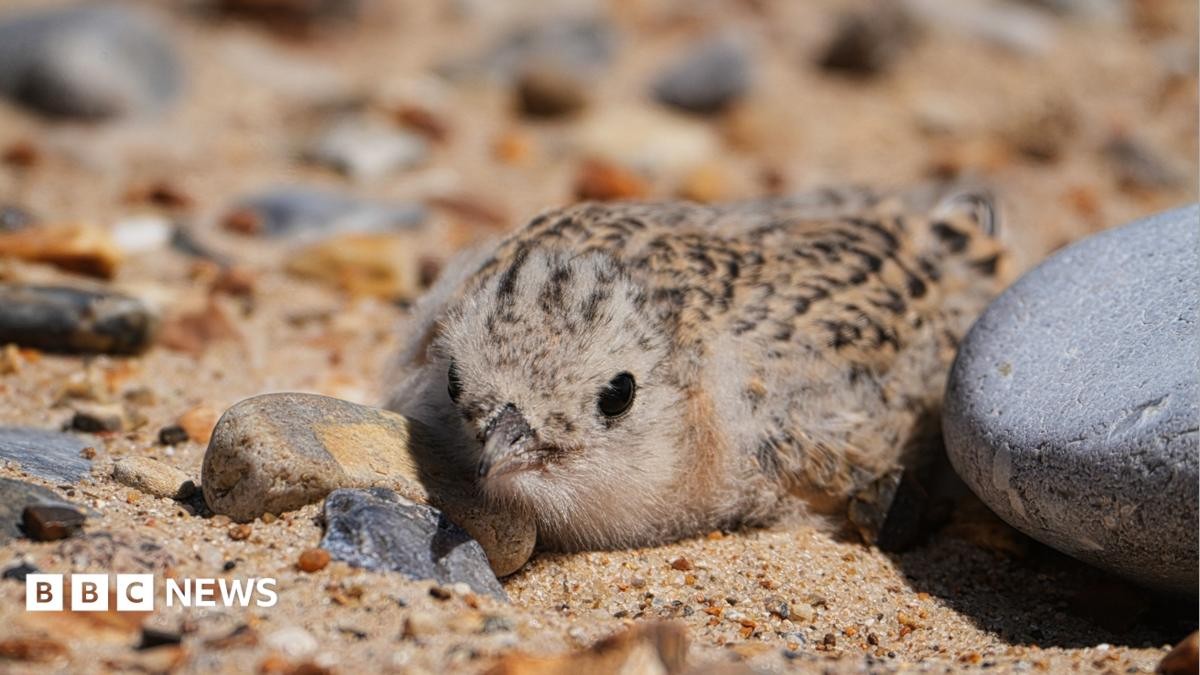
Camouflage hides this little tern chick. It blends right into the sand scrapes of Norfolk. Vulnerable. Tiny. But it is not alone.
Around it, 350 other ground-nests have appeared. A record number.
This surge didn’t happen by accident. It came from a project started back in 1982—wait, let me check the math—40 years ago, roughly around the time we really started talking about conservation in the UK. Actually, the prompt says the project was set up to protect them, and the quote references 1986 as the dark past, implying a 40 year span leading to now (2026).
Whatever the exact start date, the result is the same. The little tern isn’t going extinct tomorrow.
“Without the concerted effort… there’s no way numbers would be increasing.”
Finn Duncan knows the stats. He runs the RSPB Tern Around in Norfolk and North Suffolk. He’s seen the shift.
Every year, more chicks fledge. They grow, they harden their feathers, then they take off for Africa. 3,000-mile trip. One-way ticket to winter quarters in West Africa.
Getting there is the hard part.
Once they land on UK shores, they deal with tides. Predators. And humans. Us. Dog walkers who don’t look down. Trampled eggs happen all the time.
That’s why you see volunteers on the sand right now.
In 2026 alone, 81 people gave 2,000+ hours. No pay. Just patrols from spring until the late summer heat fades.
They check the fences. They chase hedgehogs away. They talk to beachgoers. Especially the dog owners.
“It keeps the dogs away.” That’s the mission.
Mick Davies likes it. He says he’s hooked. He gets peed on. Literally. Every single day, probably.
“They don’t stop chatting.” He likes the noise.
He doesn’t mind the mess. Nora Dobson agrees. You stand there long enough, you watch nature work. Mating. Feeding. Living.
You learn. The older volunteers pass down the knowledge.
Then the kids grow up. Or at least, the fledglings do.
Davies describes them losing the fluffy baby down, trading it for sharp primaries. Then they glide. Like kites.
Older terns teach them. Show them the ropes. Push them down toward the surf. Drop a fish into the water just for the little one to snatch it.
Parenting. It’s just different on a beach.
Do they all make it back to Africa? Some will. Most won’t.
But here, on this strip of Norfolk coast, the nest count is up.
For now.