It starts with a pixelated creature that needs to be fed. Forget the complex life lessons of raising a real child; this was easier. Simpler. You clicked, you fed, you repeated until the digital beast didn’t die on you. This simple loop captured the imagination of a generation just as the internet was shedding its dial-up skin.
The first wave hit in 1997 with Bandai’s Tamagotchi. Plastic eggs. Tiny screens. Panic. But by 1999, the medium had shifted from handheld plastic to the browser. Two British students, Adam Powell and Donna Williams, saw an opening. They didn’t just want to build a pet simulator. They built an economy.
They called it Neopets.
The concept was deceptively simple. You adopted a Neopet, gave it a name, and cared for it. But the magic wasn’t in the caretaking. It was in the puzzle games. Users played Match-3 clones, word searches, and strategy games to earn “Neopoints” (NP). Those points bought food, clothes, and accessories for their digital pets. It was a gamified economy before the term was even in the corporate lexicon.
And it worked. Aggressively.
By 2001, the site had over 5 million unique visitors monthly. By 2002, it was acquired by The Learning Company for $100 million. A student project bought for nine figures. But money wasn’t the only thing growing on Neopets. Neither were the controversies.
The Church of Scientology Connection
Here is where the story stops being cute and starts being suspicious.
The Learning Company wasn’t just a random tech buyer. It was owned by the Church of Scientology. Or rather, its subsidiaries. When the acquisition happened, the church didn’t hide its hand. They saw Neopets not as a game, but as a recruitment tool for youth.
Critics pointed to the obvious link. The CEO of The Learning Company at the time, Rick Hitt, was a Scientologist. The site’s sudden wealth of resources, the community structure, the way it kept kids logged in for hours—it all looked like a funnel.
“Others fear the Scientologist background of the company’s CEO proves the site is an attempt to get children into the Church of Scientology.”
Was it? The church denied it. They called the accusations “conspiracy theories.” But the optics were terrible. Parents logged in to check on their kids’ digital pets and found themselves navigating a site owned by a controversial religious organization. Marketing teams at Neopets ran ads that felt less like game updates and more like ideological nudges.
The fear was real. Children are vulnerable. They trust the screen. And if the screen is owned by a church that views non-believers as enemies, parents have a right to be alarmed.
Marketing to Children
Beyond the religious angle, there was the issue of marketing itself. Neopets was built on engagement. And engagement is driven by rewards.
The site used standard web advertising practices, but the audience was under 18. Critics argued that the line between content and advertisement was blurred. Kids played a puzzle game. They earned Neopoints.
The Mechanics of Virtual Ownership
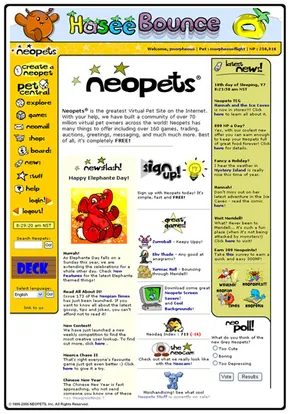
Neopets is exactly what it sounds like. A website. You create a digital pet. You care for it. It’s free to start. The site stays afloat through ads and marketing deals, a model we’ll unpack later. But right now, we’re looking at the pets themselves.
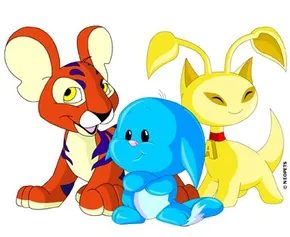
You get four slots. That’s it. Four creatures per account. And you have fifty-three varieties to pick from. They aren’t real animals. They’re fantasy hybrids. Weird combinations. Cute, but weird.
Feeding the Beast
At its core, the loop is simple. Feed your pet every few days. If you don’t, it gets sad. Or sick. Or dies. The stakes are low, but the attachment is real.
You can boost their stats too. Read books to them. It sounds tedious. It isn’t. It makes them smarter. You also need supplies. Food. Toys. Random junk.
This all costs Neopoints (NPs). The currency of Neopia.
Prices vary wildly. A cheeseburger? Maybe 200 NPs. Rare items? Tens of thousands. Sometimes hundreds of thousands. It’s an economy built on pixelated scarcity. Where do you get these points?
There are three main ways to earn Neopoints without spending real money:
-
Playing games – Over 140 options. Ranging from basic memory matches to complex 3D action sequences. Some test your reflexes. Others test your math. A few demand an extensive vocabulary.
-
Marketing surveys – Fill them out. Sign up for affiliates. Boring, but effective.
-
The Auction House – Sell items. Flip goods. Use the shop systems to turn trash into treasure.
The writers at Neopets don’t just drop random lore into your lap. They build narratives that actually reshape the map of Neopia. Sometimes they lean on the community, too. You’ll see it most when a specific game or a tricky puzzle forces you to take a side. The outcome matters. New regions can pop up. A recurring villain might finally pack up and leave the continent.
Take Tyrannia. It didn’t always look like that. The monsters invaded, the stakes were real, and players had to jump into the Tyrannian Battledome to fight them off. The victory (or defeat) changed the landscape. It wasn’t just flavor text. It was gameplay with consequences.
The Science Behind Neopets Stickiness
So why does this keep people coming back? It’s not just nostalgia. It’s design. Neopets is one of the “stickiest” sites on the web. That’s a marketing term, but it applies here. It means high retention. Users don’t just visit; they linger. They manage their avatars, trade items, and solve daily puzzles. The emotional investment is high. You care about that specific Pet because you’ve fed it, clothed it, and watched it level up for months.
The community aspect amplifies this. When a storyline threatens Neopia, the whole server moves together. It creates a shared history. You can’t get that in a single-player game. The social contract of Neopets turns casual clicks into daily habits.
Licensing and Beyond the Browser
That loyalty translates to dollars. The brand has leveraged its massive user base through licensing deals. Neopets haven’t just stayed in the browser. They’ve expanded.
Think about the toys. The plushies. The collectible cards. These aren’t just merch. They’re extensions of the digital identity. When you buy a Neopet plush, you’re buying into that same stickiness. The brand recognition is strong because the users are active.
“The creative team at Neopets constructs a storyline that will help shape Neopia.”
This influence goes further than just games. The narrative team listens. If users solve a puzzle in a certain way, the story bends. It’s a feedback loop. Play drives story. Story drives play.
Where else have the Neopets appeared? The license has touched various merchandise lines and possibly digital spin-offs. The key here is consistency. The characters and worlds remain recognizable across platforms. This cross-media presence reinforces the “stickiness.” It’s not just a website anymore. It’s a universe.
The Tyrannian Battledome wasn’t a one-off event. It was a test case for how user action dictates world-building. And it worked. That’s why the site remains a model for interactive storytelling. The monsters didn’t just disappear. They were defeated by the players. And the area changed forever.
The question isn’t whether Neopets will stick around. It’s how far that universe can expand. The current team knows the formula. Engage the users. Let them influence the outcome. Reward them with new content. It’s simple mechanics, complex execution. And it works.
Neopets doesn’t just want your attention. It wants your life.
The site claims users spend an average of six hours and 42 minutes per month on the platform. That isn’t a typo. That is a staggering amount of time for a browser-based pet site that launched in the late 90s.
How does it keep people hooked for decades? It isn’t luck. It’s a masterclass in digital engagement.
The Content Engine That Never Sleeps
You never run out of things to do. That is the first rule of Neopets user retention.
There is a vast, sprawling library of mini-games. There are items to collect. There are slushies to eat. The sheer volume of content creates a feedback loop. You play one game. You get an item. You use that item to play another game. You feel productive, even though you are just clicking buttons.
And the team behind the scenes doesn’t let up.
New games drop. Contests start. Creatures evolve. Storylines shift. If you leave for a week, you come back to a completely different landscape. The fear of missing out (FOMO) is built into the code.
Building a Digital Home
It’s not just about the games. It’s about who you play with.
Neomail. Neofriends. Message boards.
These aren’t just features. They are social infrastructure. Users build their own micro-communities. You chat about your pets’ diets. You trade items. You complain about the market fluctuations.
“People spend more time on the site talking to friends and making new ones.”
This social layer creates a sense of belonging. Leaving the site feels like abandoning a friend group.
The Grind That Never Ends
Here is the clever part. There is no “win state.”
Neopets doesn’t have an ultimate boss to defeat. There is no final achievement to unlock that says “you are done.”
Instead, you get rewarded for showing up.
Log in? You get Neopoints.
Spend time? You get items.
Accumulate points? You buy more items.
It is an endless accumulation loop. The goal isn’t to finish. The goal is to collect. To optimize. To be the richest pet in the gallery.
Referral Rewards
There is another layer to the loyalty machine.
Neopets rewards you for bringing in new players. The referral program incentivizes you to convert your friends. You become a recruiter. You invest your social capital into the platform’s growth.
Beyond the Browser: Licensed Merchandise
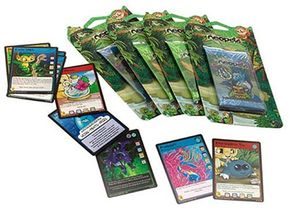
The Neopets collectible card game is just one piece of the puzzle.
Wizards of the Coast, the giants behind Dungeons & Dragons and Magic: The Gathering, licensed the characters. They produced a full CCG.
It wasn’t just a gimmick. Players built custom decks. Each player had a unique strategy. You defeated opponents in arena battles using items and weapons.
But here is the bridge back to the digital world.
Each card pack contained a code. Enter that code on the Neopets website. Receive special in-game items.
Physical cards translated to digital value. It was a brilliant cross-media loop.
Thinkway Toys took it further.
Six-inch action figures. Plush versions of creatures. You could hold your digital pet in your hand.
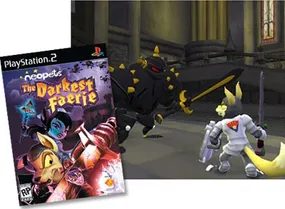
Then came the video games.
In 2004, Sony Software Entertainment released *Neopets: The
The hype machine was already rolling. In 2006, Warner Bros. was set to drop a computer-animated Neopets movie. John A. Davis directed Jimmy Neutron: Boy Genius, so they knew how to handle CGI characters. The studio had a multi-picture deal in place. This wasn’t a one-off. More films were coming down the pipe.
But before the big screen could capture the magic, the site itself needed to survive. Who owned it? How did it generate cash? And how did a simple web project become a global phenomenon?
The Premium Pivot
Free access wasn’t going away. Not anytime soon. The core experience remained open to everyone. But the company knew they needed a revenue stream that didn’t rely on ad clicks alone.
Enter Neopets Premium.
The price tag was $7.99 a month. It sounded steep for a kids’ site, but the perks were tangible. Users got an ad-free interface. That alone was a major draw. Advertisers hate friction.
Beyond the clean browser, members got access to special message boards. The community grew tighter. They also received a Neopets portal. Think of it like My Yahoo—a customizable homepage where your pets and news lived.
There was also a Neopets Web mail address. Simple utility, but it kept users inside the ecosystem. The Marketplace shop search got an upgrade too. Finding rare items became easier. Earning Neopoints had advantages.
It was a subtle shift. Free users played the game. Premium users optimized it.
Behind the Scenes
The infrastructure behind the scenes was just as important as the front-end polish. The team at Neopets wasn’t just hosting images. They were managing a complex economy.
Every transaction, every trade, every pet interaction was logged. The site had to handle thousands of concurrent users without crashing. The servers hummed. The code was refined.
Ownership was a moving target. Early investors gave way to strategic partners. The goal was always growth. But growth required stability.
The movie deal with Warner Bros. wasn’t just about branding. It was about validation. Hollywood didn’t sign on for a flash game. They signed on for a cultural moment.
Neopets had become one.
The premium service helped fund that expansion. It turned casual browsers into committed users. Those users stayed longer. They spent more time. And time is currency in the digital age.
The site evolved. It had to. The free model attracted millions. The premium model retained them.
It was a delicate balance. Too much paywall, and you lose the crowd. Too little, and you starve the project. Neopets walked the line.
For now, the movie is on hold. But the engine is still running. The pets are waiting. The economy is stable.
What happens next? Nobody knows for sure.
From Dorm Room Project to Viacom Acquisition
It began in 1999. Two British college students, Adam Powell and Donna Williams, built Neopets as a tiny side project. Powell handled the code. Williams drew the pets. They weren’t trying to conquer the internet. They just wanted a fun site for their classmates. The result? An overload of inside jokes and British slang. You still see that legacy today. Words like “grey” keep the original flavor alive.
Then the popularity hit. Hard.
They got overwhelmed. Fast. So they sold the site to Doug Dohring, a market research expert. Dohring didn’t kick the creators out. He kept them on board. He moved the headquarters to Southern California. His goal? To build a “media empire” around the pets.
The strategy worked until the money got too big to ignore.
In June 2005, the numbers were too high. Dohring sold Neopets to MTV, a division of Viacom. The price tag? $160 million. Dohring stayed with the company through the deal. But the real story was the user base.
How big was Neopets at its peak?
By the time of the sale, Neopets reported 92 million accounts. That number sounds massive. But many users had multiple accounts. After adjusting for duplicates, the count dropped to about 30 million unique users.
Who were these people?
The demographic data tells a surprising story. It wasn’t just kids. Children under 13 made up 39 percent of the users. Teens aged 13 to 17 accounted for 40 percent. The rest, 21 percent, were adults over 18.
And the gender split was skewed heavily. 57 percent of users were female. That is a high number for the online gaming market, especially back then. The industry was traditionally male-dominated. Neopets broke that mold.
Viacom bought a community, not just a game. The demographics showed a loyal, diverse audience. It made sense for a media giant to take the reins. But the transition from quirky student project to corporate asset changed everything. The pets remained. The culture shifted.
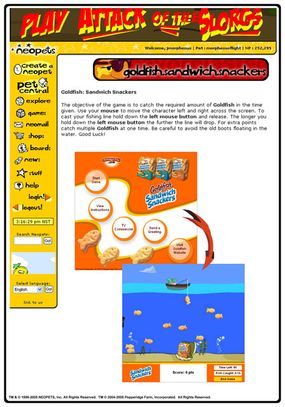
You might think making money from a free game is impossible. Neopets proved you wrong. The strategy wasn’t just about clicks. It was about immersion. CEO Peter Dohring called it Immersive Advertising. It felt less like a banner ad and more like a scene in a movie.
Think product placement. You’re playing a game. Suddenly, you’re answering trivia about a TV show to win points. Or maybe you’re feeding your pet McDonald’s food. Maybe you’re playing a Pepperidge Farm mini-game. The marketing is there. It’s disguised as fun. A taxi game might use a specific cell phone model designed for kids. The sponsor pays for the exposure.
Retail sales helped too. There were trading cards. Action figures. Plush toys. Even a PlayStation game. But the real goldmine was the data.
The Data Advantage
Neopets knew its users better than most companies knew their own customers. They held a massive research database on children 12 and under. That’s a hard demographic to reach legally. The Children’s Online Privacy Protection Act (COPPA) makes it tough. You need parental permission. You need compliance.
Neopets had over 50,000 kids in their marketing database by 2006. They sold market research. Not personal data. Never that. They traded on “unparalleled access to young people.” Other companies paid for insights. They wanted to know what kids liked. Neopets knew.
The infrastructure was massive. Linux-based servers handled the load. 300 servers. 1.7 gigabits of bandwidth daily. That’s a lot of data moving at high speed. It kept the site running. It kept the ads visible. It kept the profits flowing.
Trouble in Neopia
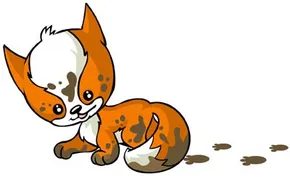
Online communities inevitably breed their share of troublemakers. Neopets is no different. The company fights back with a two-pronged strategy: education and account freezing. They maintain a Wall of Shame to highlight common frauds. There are also self-appointed Newbie Guardians who help newcomers dodge pitfalls.
Freezing is the Neopian death sentence. Neopets responds to suspicious behavior by permanently locking accounts. Users can start over, but they lose all Neopoints, items, and history. Longtime players fear this. It feels arbitrary sometimes. A bug once let players grab rare items multiple times a day. Did you know? Did you forget? Either way, your account was frozen.
Scams mirror internet phishing. They want passwords or email addresses. Avoid them by never sharing your password.
Parents worry about marketing. Neopets targets kids who can’t tell games from ads. Immersive Advertising places corporate games next to regular ones. A disclaimer about paid ads appears on almost every page. It doesn’t help much. Kids still can’t distinguish content.
Gambling games caused a flap. Parents didn’t like casino-style play. Under-13 accounts are blocked from these games. No verification process exists, though. A child can easily claim to be 18.
Neopets claims child safety is a priority. Monitors watch chat rooms 24/7. They remove offensive language. They check for personal info. The site follows Children’s Advertising Review Unit (CARU) guidelines.
Next, we explore Neopets’ connection to Scientology.
The World of Neopia
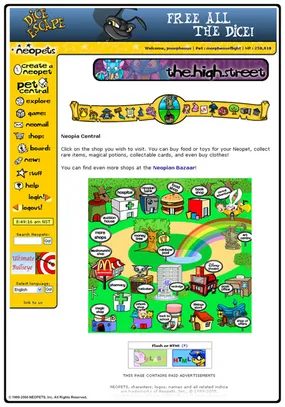
Neopia is a fantasy world. It hosts Neopets and other characters. Some are good. Some are evil. The world has several areas. Each has unique traits. Access them via the Neopian World Map. Click to enter. Links inside lead to games or shops.
Neopets and Scientology

The Scientology Connection at Neopets
The story of Neopets isn’t just about virtual pets and pixelated economies. It’s tangled up with the business practices of CEO Doug Dohring. His ties to the Church of Scientology are not just background noise. They are structural.
Dohring is listed on the Hubbard College of Administration website as a practitioner of “Administrative Technology.” This term refers to management systems created by L. Ron Hubbard. The founder of Scientology. Dohring has donated more than $250,000 to Scientology-related causes. He has received awards for this generosity.
“Having used his [Hubbard’s] technology in every business activity for nearly two decades now… virtually every aspect of running my companies involves the use of his administrative technology”
This quote isn’t from a secret manifesto. It’s public. Dohring confirmed the use of these principles in a Wired magazine interview. He called Hubbard’s management tech “very powerful.”
How the Org Board Works in Business
What is this technology? It centers on the Org Board. Short for organizing board. This system splits a company into seven distinct divisions.
- Executive
- Personnel
- Sales
- Finance
- Training
- Marketing
- Qualifications
Each division has three subdivisions. The Church of Scientology claims Hubbard developed this in 1965. Hubbard himself took a different angle. He claimed the Org Board had been used by a galactic civilization for 80 trillion years. His version is simply an improvement on that ancient system.
Did Neopets use this to structure its virtual economy? That remains a point of speculation. There are no claims that Scientology symbols appear on the Neopets website. But rumors persist. Employees are allegedly encouraged to convert to Scientology. These rumors are unsubstantiated. They linger because the connection between Dohring’s personal faith and corporate strategy is so visible.
The Business Behind the Pets
Despite the controversies, the numbers don’t lie. Neopets was a juggernaut. By February 2006, the site reported over 100 million users. That’s a massive audience. The site also tracked over 150 million individual pets.
The business model was expanding. Neopets was preparing to jump into the mobile market. Cell phone ring tones and wallpapers were the next big revenue stream. This move signaled confidence in the brand’s reach beyond the browser.
The empire showed no signs of slowing down. The controversy around leadership style did not tank the user base. If anything, it added a layer of intrigue to the experience. Users logged in to feed their pets, unaware of or indifferent to the management technology running the show.
The site’s growth was fueled by a mix of addiction and innovation. From trading cards to Hollywood deals, Neopets was everywhere. The user count kept climbing. The revenue streams kept diversifying. The Scientology connection remained a footnote to many, but a core principle to the CEO.
Does it matter? For the kids feeding their virtual Korbat, probably not. For investors and critics watching the intersection of faith and tech, it was a case study in how personal belief systems can dictate corporate structure. The Neopets empire kept growing. The questions about its foundation remained open.