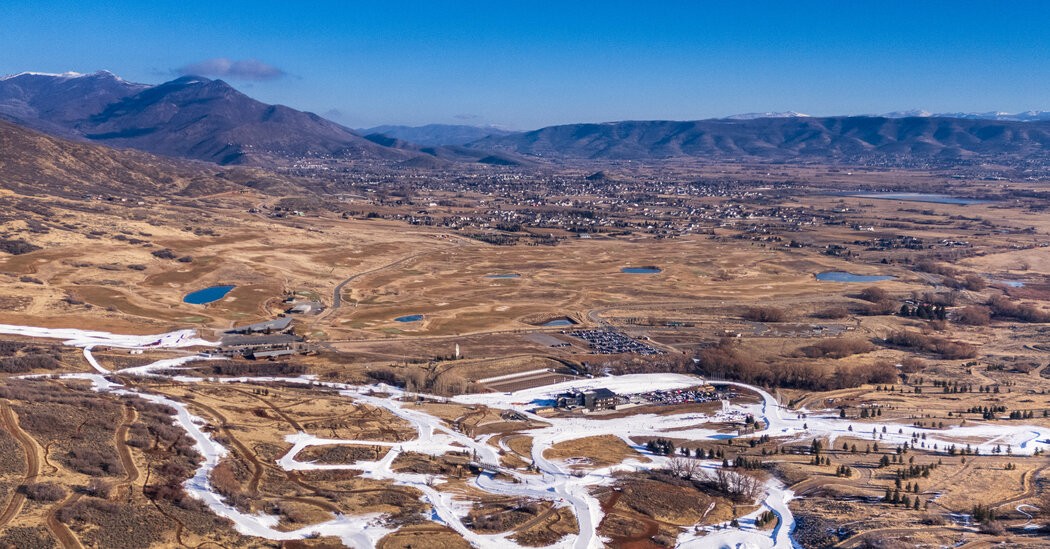
The American West is experiencing an unprecedented snow drought, with record-low snowpack levels threatening water supplies and disrupting winter recreation. While much of the U.S. endures frigid temperatures and heavy snowfall, areas traditionally known for deep powder – including Park City, Utah; Vail, Colorado; and parts of Oregon – are facing bare ground or minimal snow cover.
The Severity of the Drought
This isn’t just a seasonal anomaly; it’s a record-breaking situation. The extent of snow-covered ground is at its lowest point ever recorded, with temperatures in some regions reaching 50-60°F instead of typical winter conditions. The consequences are already visible: skiers are sidelined, trails remain open to hikers and bikers, and the natural water storage system of the West is severely compromised.
Why Snowpack Matters
The Western U.S. relies heavily on mountain snowpack as a natural reservoir. As snow melts in the spring and summer, it feeds rivers, irrigates farmland, and replenishes vital reservoirs. The current decline in snowpack is particularly alarming in the Colorado Rockies and the Colorado River Basin, which are already grappling with a 26-year megadrought. Lake Mead and Lake Powell, the two largest reservoirs on the Colorado River, are at historically low levels.
Complex Causes and Future Implications
While scientists acknowledge the difficulty in directly attributing this drought solely to climate change, the shift is undeniable. The reduced snowpack adds another layer of urgency to ongoing negotiations between Upper and Lower Basin states regarding the future management of the Colorado River. The crisis underscores the growing vulnerability of arid regions to water scarcity and climate variability.
The Western snow drought is not just an environmental concern; it’s a looming economic and social challenge that demands immediate attention and sustainable water management strategies.
The situation raises fundamental questions about water allocation, agricultural practices, and the long-term viability of Western communities dependent on snowmelt-driven water resources.