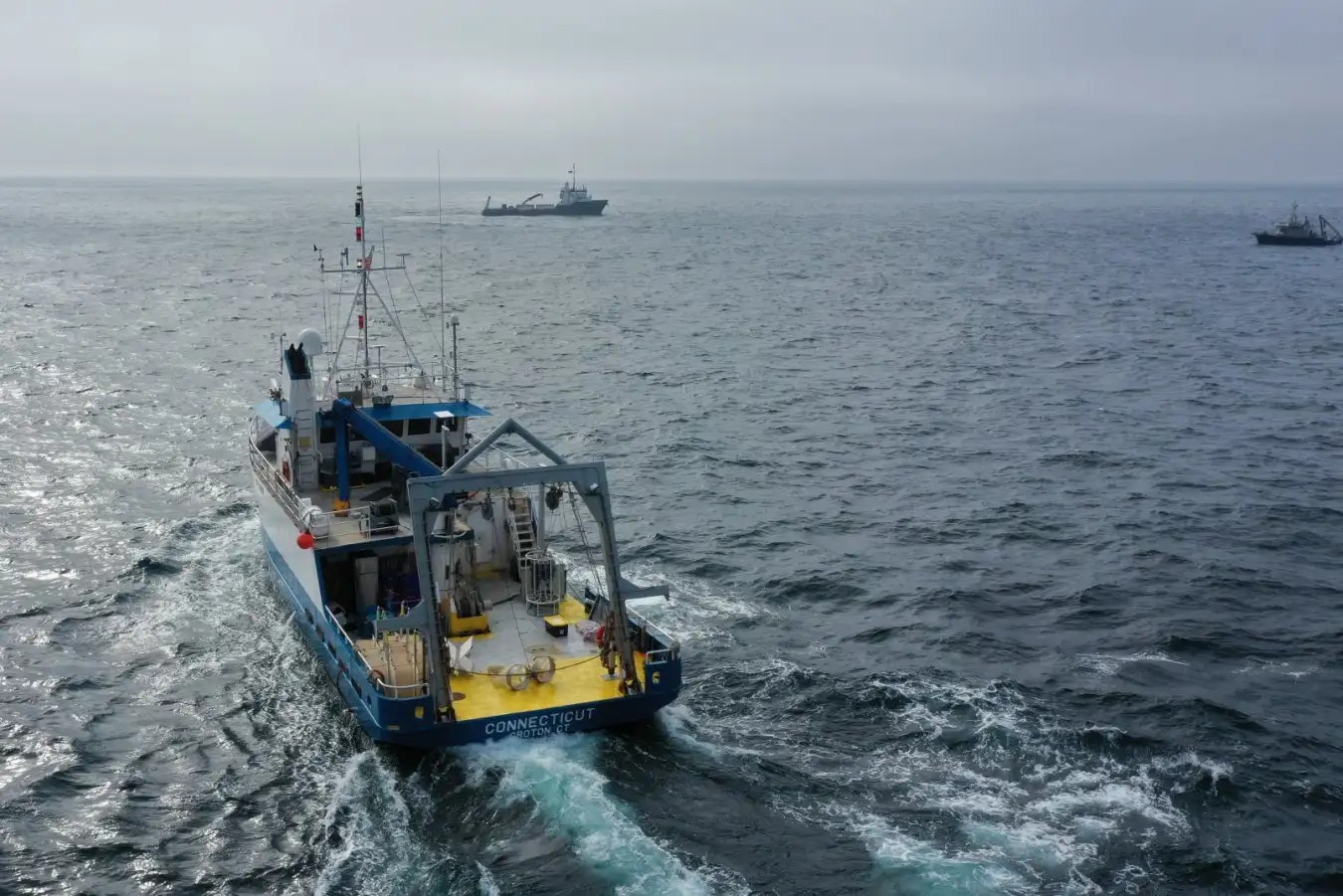
Researchers conducting a controlled experiment in the Gulf of Maine have demonstrated that adding alkaline substances to seawater can effectively remove carbon dioxide from the atmosphere without detectable harm to marine ecosystems. The trial, conducted in August 2025, involved dispersing 65,000 liters of sodium hydroxide – an alkaline compound – into the ocean to boost its capacity to absorb CO2.
The Experiment and Initial Results
The study, led by Adam Subhas of the Woods Hole Oceanographic Institution, confirmed that the added alkalinity did enhance CO2 uptake. Over four days, the experiment removed between 2 and 10 tonnes of CO2, with estimates suggesting a potential total removal of up to 50 tonnes. Crucially, monitoring revealed no significant negative impact on marine organisms, including plankton, fish larvae, and lobster larvae. The team used rhodamine dye to track the dispersion of the alkaline solution, aided by satellite, sensor, and underwater glider data.
The Net Carbon Footprint Question Remains
However, a critical question remains unaddressed: the full life-cycle emissions of producing and transporting the sodium hydroxide. Subhas acknowledges that this has not yet been calculated, meaning it is currently unclear whether the experiment resulted in a net reduction of CO2. Assessing this will be a key focus of future research, as the process must be truly carbon-negative to be viable.
Why Ocean Alkalinity Matters
The oceans already absorb roughly 25% of human-caused CO2 emissions, but this comes at a cost: increased ocean acidity. As CO2 dissolves in seawater, it forms carbonic acid, threatening marine life with shell dissolution and reduced CO2 absorption capacity. Ocean alkalinity enhancement (OAE) seeks to reverse this acidification by increasing the ocean’s ability to hold more CO2.
A Growing Field with Private Sector Interest
Researchers are exploring several OAE methods, including adding magnesium hydroxide to wastewater, spreading ground olivine on coasts, and treating seawater in land-based plants. Some companies are already selling carbon credits based on these approaches, driving demand for independent, non-commercial trials like the one conducted by Subhas’s team.
Engaging Stakeholders and Long-Term Storage
The team prioritized community engagement, especially with local fishing communities, through two-way dialogue to address concerns. The dispersed alkalinity converts captured CO2 into bicarbonate ions, a stable form of carbon that is expected to remain locked away for tens of thousands of years. Unlike some carbon removal methods requiring separate storage, OAE integrates capture and storage into a single step.
“This is one of the most durable forms of carbon removal,” says Subhas.
The results suggest that OAE could become a valuable tool in combating climate change, though further research is critical to ensure its long-term efficacy and minimize potential unintended consequences.