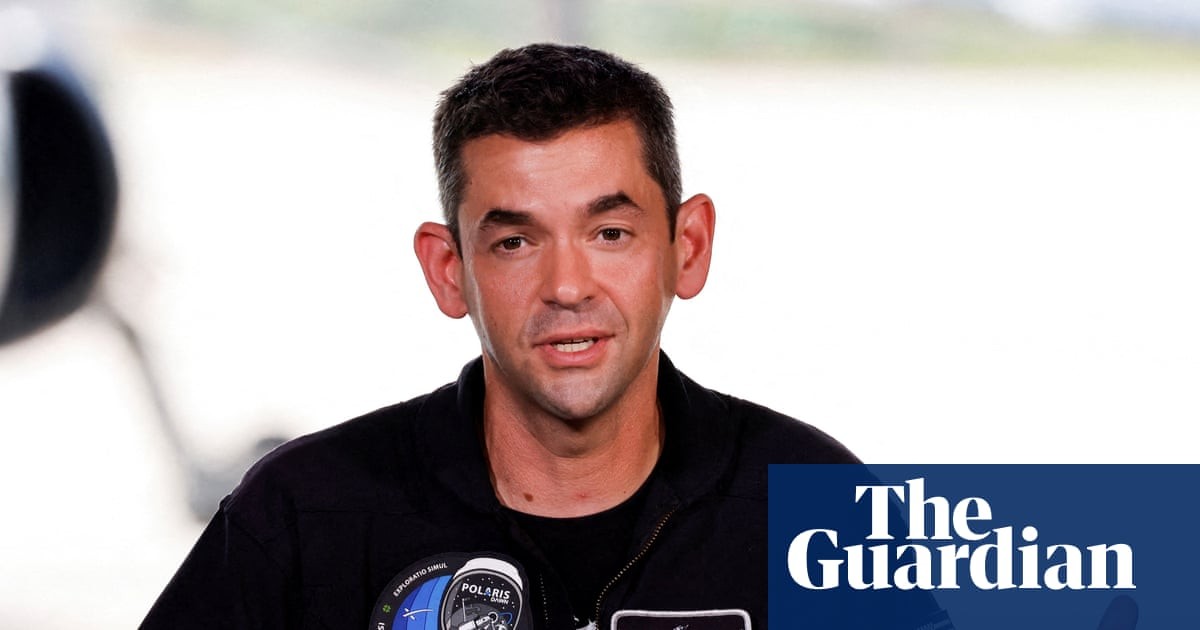
Donald Trump’s administration is once again pushing billionaire Jared Isaacman for the NASA administrator role, a stunning reversal after initially rejecting him. This comes as the White House prioritizes a US lunar landing before 2029, even if it means sidelining established space agency protocols.
The Rise and Fall… and Rise Again
Isaacman, a private astronaut known for funding SpaceX missions, was first nominated in May, only to be dropped when past donations to Democratic politicians surfaced. Trump publicly cited “mission alignment” concerns, a move widely seen as fallout from his feud with Elon Musk.
However, the situation shifted dramatically. An internal power struggle between acting NASA administrator Sean Duffy and Isaacman-aligned lobbyists – including Musk – escalated. Trump ultimately sided with Isaacman, rejecting Duffy’s attempt to consolidate NASA under his transportation portfolio.
SpaceX and the Push for Commercialization
Isaacman’s resurgence is a win for SpaceX, which stands to gain from his plans to outsource more NASA operations to private space companies. While Isaacman downplays his ties to Musk, his financial connections to SpaceX have drawn scrutiny from Democrats.
The controversy highlights a growing trend: the increasing role of commercial space firms in what were once exclusively government-run missions. This shift raises questions about accountability, long-term sustainability, and whether profit motives will overshadow scientific priorities.
Budget Cuts and the “Moon Moment”
Trump’s focus on a lunar landing is driving drastic budget cuts to NASA’s science programs. The proposed 24% reduction to $18.8 billion would be the lowest funding in a decade, with earth and space science taking the biggest hit.
This “moon-first” approach has drawn criticism from space policy experts, who warn that it could undermine NASA’s broader scientific goals. The administration appears willing to prioritize a symbolic victory over a sustainable, well-funded space program.
The Leaked Memo and Future Plans
A leaked 62-page memo, known as Project Athena, reveals Isaacman’s plan for overhauling NASA through radical outsourcing and spending cuts. While Isaacman defends the plan as a solution to bureaucracy, critics argue it could further prioritize commercial interests over scientific discovery.
Isaacman now faces another Senate hearing, where he will be pressed on his vision for NASA’s future. The outcome will determine whether the agency remains a science-driven institution or becomes a vehicle for achieving short-term political goals.
The Trump administration’s relentless push for a lunar landing underscores a clear message: spectacle takes precedence over long-term strategy. Whether this approach will advance space exploration or merely serve as a symbolic victory remains to be seen.