Scientists stationed on the remote Thwaites Glacier in Antarctica are poised to begin a critical drilling operation aimed at understanding how warming ocean water is accelerating ice melt from below. The mission, a culmination of an eight-week voyage aboard the South Korean icebreaker Araon, will allow researchers to deploy instruments directly into the ocean cavity beneath the glacier – a first-of-its-kind effort.
The Urgency of Thwaites Research
The Thwaites Glacier is particularly concerning because of its size and instability. Often called the “Doomsday Glacier,” its collapse could raise global sea levels by more than half a meter, triggering further destabilization of neighboring glaciers. Monitoring the rate of underwater melt is crucial for refining climate models and predicting future sea-level rise with greater accuracy.
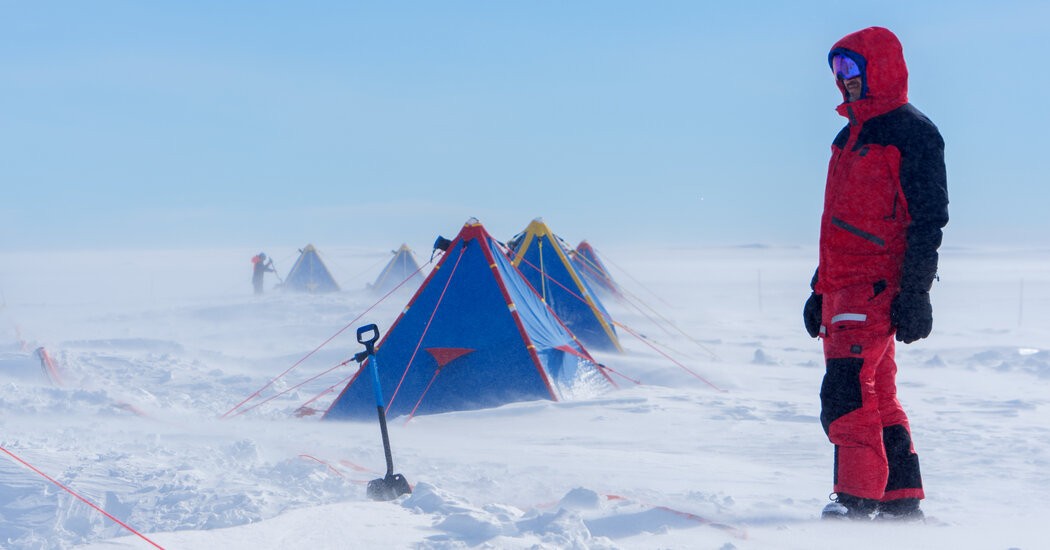
The team, comprising scientists from Britain and South Korea, had initially planned to start drilling on Tuesday. However, severe Antarctic winds threatened to freeze their equipment or bury it in snow. Conditions are expected to improve by Wednesday, giving them a better window to execute the 60+ hour drilling process.
Overcoming Extreme Conditions
The researchers recognize the inherent risks: “We’ve come this far,” explained Peter Davis, an oceanographer with the British Antarctic Survey. “It would be annoying if we failed at the last hurdle, just for the sake of a day.”
The operation is not just about collecting data; it’s about pushing the limits of scientific research in one of Earth’s most unforgiving environments. The insights gained will be vital for understanding how quickly the glacier is deteriorating, and what that means for coastal communities worldwide.
The success of this mission is critical, as the fate of Thwaites Glacier will significantly shape the trajectory of climate change and its impacts on global sea levels.