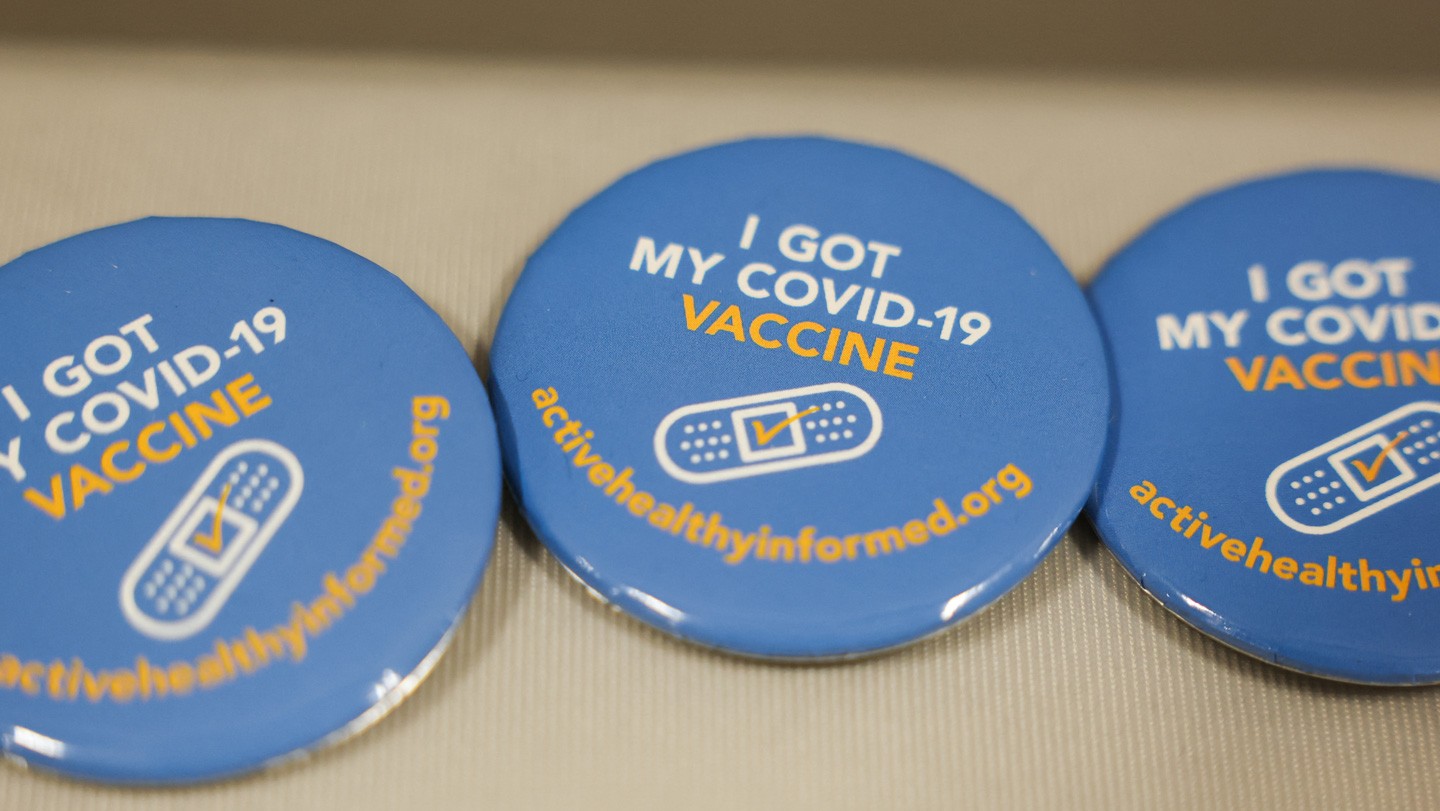
Recent research confirms continued benefits of COVID-19 vaccination across multiple demographics, including pregnant individuals, children, and adults. The data, spanning multiple studies and large populations, strengthens the case for vaccination as a key public health strategy.
Protection During Pregnancy
A Canadian study analyzing data from April 2021 to December 2022 found that pregnant individuals vaccinated before contracting COVID-19 experienced significantly lower rates of severe illness and preterm births compared to those unvaccinated. During the Delta variant period, only 5% of vaccinated pregnant people required hospitalization versus 13.5% of those unvaccinated. The benefit persisted during the Omicron period, with hospitalization rates of 1.5% vs. 5% respectively. These findings suggest vaccination before infection provides substantial protection for both mother and child.
This is particularly important because pregnancy itself increases the risk of severe COVID-19 outcomes, and vaccination serves as a critical layer of defense.
Enhanced Immunity in Children
Updated 2024-2025 COVID-19 vaccines offer additional protection for children who have already received prior doses or contracted the virus. A U.S. study showed the vaccine was 76% effective in preventing emergency or urgent care visits for COVID-like illness in children aged 9 months to 4 years. For older children (5-17), effectiveness was estimated at 56%. The data highlights the value of continued vaccination even after previous exposure.
Reduced Mortality Risk in Adults
French researchers analyzed nearly 29 million adults (23 million vaccinated, 6 million unvaccinated) between 2021 and 2025 and found that vaccinated individuals had a 25% lower risk of death from any cause. This broad protection reinforces the ongoing importance of vaccination beyond just preventing COVID-19 itself. The findings suggest that vaccination may contribute to overall health resilience.
The cumulative evidence consistently demonstrates that COVID-19 vaccination remains a highly effective tool in reducing severe illness, hospitalization, and mortality across diverse populations. Continued uptake is essential for maintaining public health.