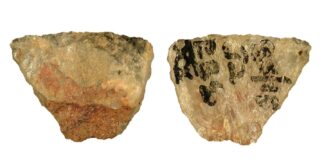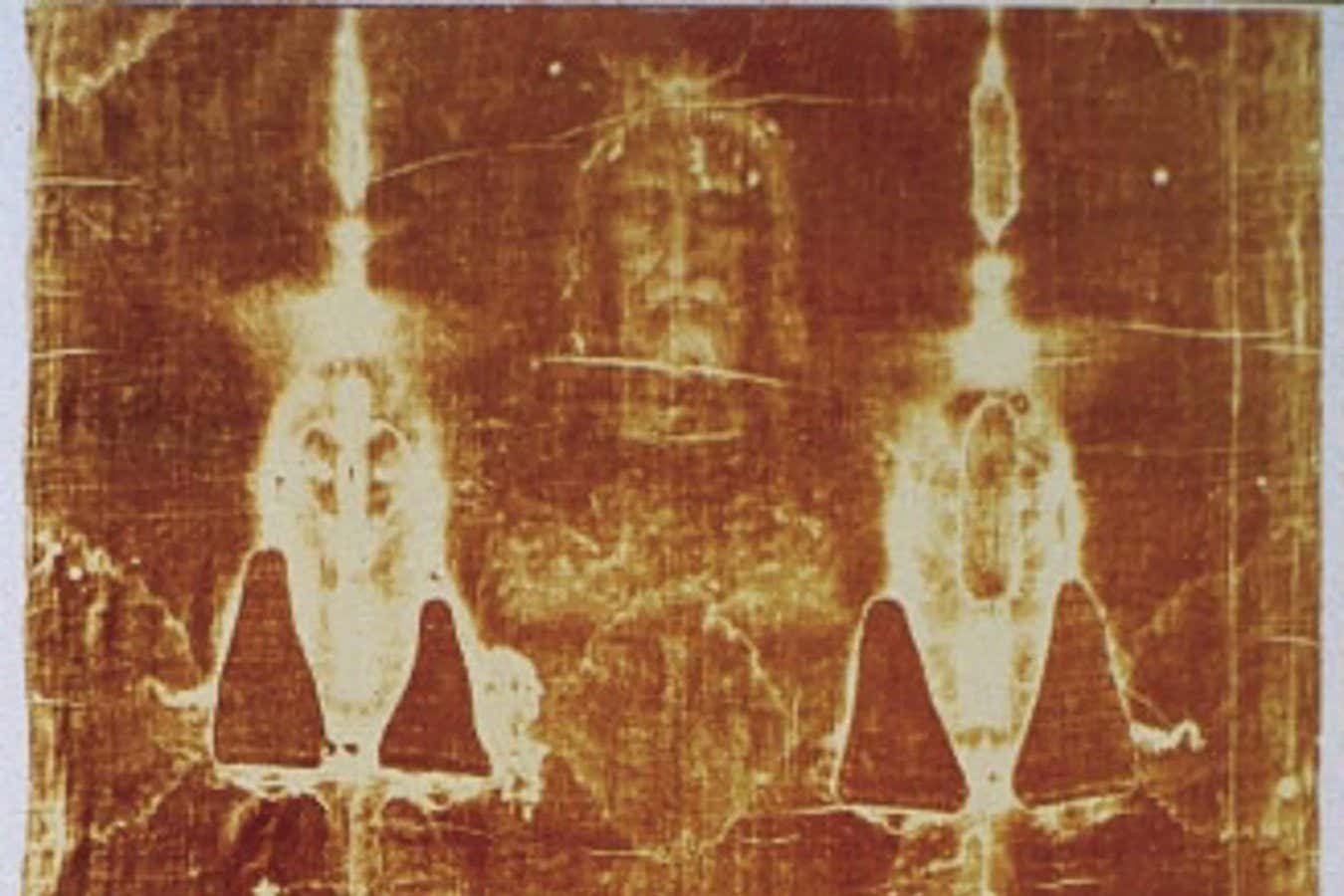
The Shroud of Turin, one of Christianity’s most debated relics, has been found to carry DNA from a surprising range of sources: not just humans, but also animals, plants, and even insects. This contamination complicates the already controversial history of the cloth, which some believe to be the burial garment of Jesus Christ.
A Relic’s Tangled History
The shroud, measuring 4.4 meters long and 1.1 meters wide, first appeared in France in 1354 and has since resided in the Cathedral of Saint John the Baptist in Turin, Italy. Despite its religious significance, the cloth has faced scrutiny from scientists. Radiocarbon dating in 1988 placed its origin between 1260 and 1390, effectively ruling out a first-century origin. This dating remains disputed by some, but is largely accepted in the scientific community.
A Genetic Cocktail
Recent re-analysis of material collected in 1978 reveals an astonishing diversity of DNA. The shroud has absorbed genetic traces from domestic animals like cats, dogs, cattle, and pigs, as well as wild species such as deer and rabbits. Researchers also identified DNA from fish, crustaceans, flies, and even microscopic mites and ticks.
The plant life is equally diverse, including carrots, wheat, peppers, tomatoes, and potatoes – crops that weren’t widely available in Europe until after the age of exploration. The exact timing of these contaminations remains unknown.
Human Touch
The shroud isn’t just a repository of animal and plant DNA; it carries the genetic imprint of many people who have handled it. This includes the scientists who collected the 1978 samples, making it impossible to isolate any “original” DNA.
Nearly 40% of the human DNA traces are linked to Indian lineages, which researchers suggest could stem from historical trade routes or the Roman import of linen from the Indus Valley region. This finding has led to speculation about an Indian origin for the shroud itself, though many scientists remain skeptical.
Scientific Consensus: A Medieval Artifact
While the DNA analysis adds another layer to the shroud’s complex history, most researchers stand by the original radiocarbon dating. The cloth is widely accepted as a medieval artifact, likely French in origin, rather than a first-century relic.
The shroud’s true value may lie not in its mythical origins, but in its documented journey through history as a revered religious object.
The debate surrounding the Shroud of Turin is unlikely to end soon, but the latest DNA findings provide further evidence that its story is far more complex than any single legend.