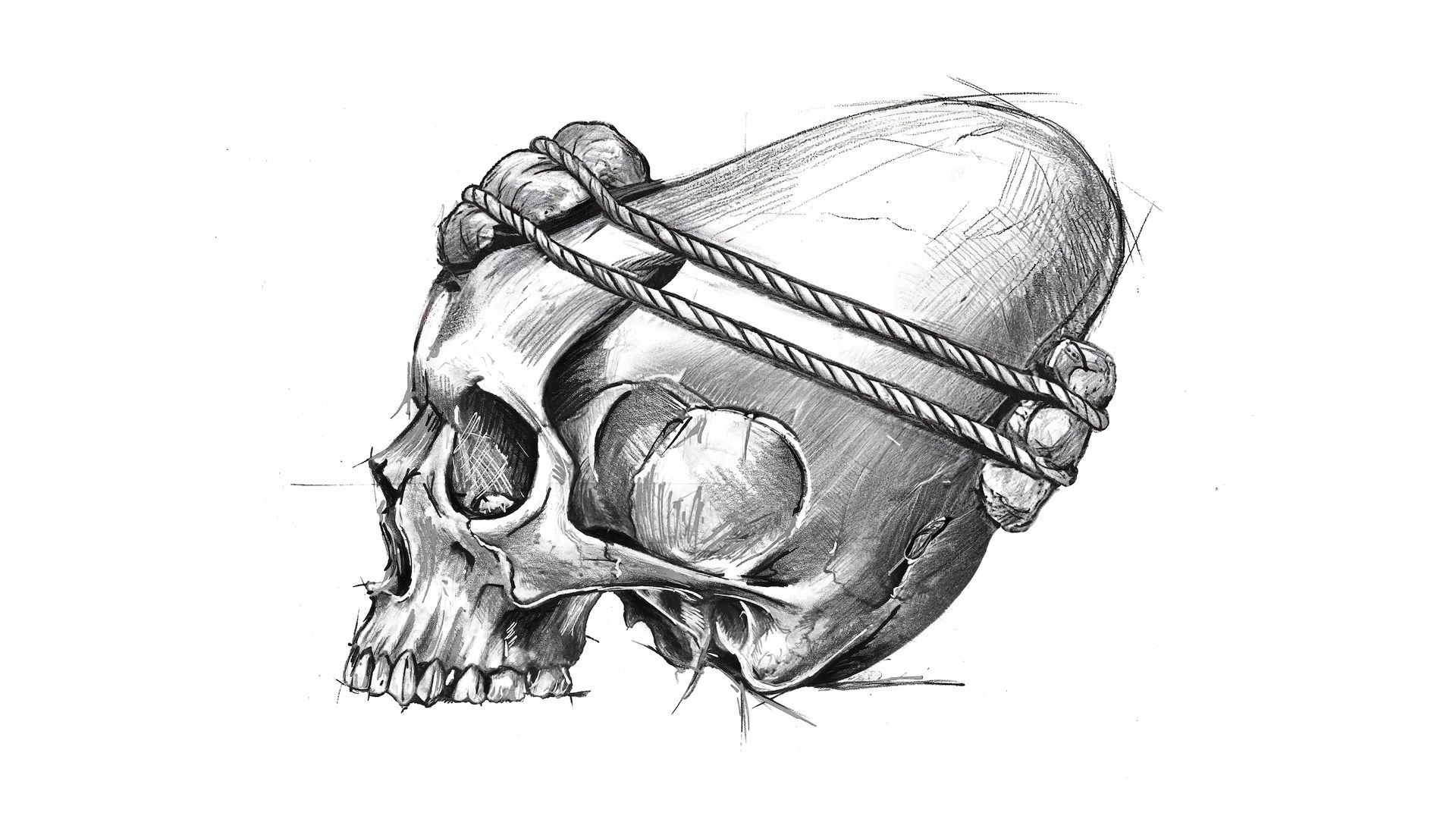
For millennia, across nearly every continent except Antarctica, human cultures have intentionally reshaped the skulls of infants. From the Andes to Europe, Asia, and Africa, the practice – known as cranial modification – involved binding or wrapping a baby’s head to alter its natural form. While Spanish conquistadors condemned the practice as barbaric, modern bioarchaeologists are uncovering why this widespread custom persisted for so long.
A Global Phenomenon
Archaeological evidence reveals that cranial modification isn’t a recent invention. Skulls exhibiting intentional shaping have been found dating back at least 13,000 years in Australia, with further discoveries in Europe (12,500 years ago), China (11,000 years ago), and Iran (10,000 years ago). This suggests the practice emerged independently in multiple regions, rather than spreading from a single origin point.
The process itself is simple: infant skulls are highly malleable. Wrapping the head with cloth or using specialized devices gradually molds the bone into the desired shape, much like pruning a bonsai tree. The key is to begin before the skull’s sutures fuse, usually within the first few months of life.
Why Did Cultures Do This?
The reasons behind cranial modification are complex and varied, rarely a single explanation. Early colonial accounts often dismissed the practice as savage or purely aesthetic, but modern research shows a more nuanced reality.
- Social Status: In some societies, head shape signaled group affiliation, clan membership, or elite status. The Huns of 4th-7th century Europe may have used it as a fashionable marker of social standing.
- Cultural Identity: Indigenous groups, like the Collagua in Peru, shaped heads to represent their connection to the landscape—mimicking the shape of sacred mountains.
- Ritualistic Practices: Among some cultures, head shaping was integrated into rites of passage, possibly linked to infant health or maternal rituals.
- Aesthetic Ideals: In Asia, modified skulls may have aligned with beauty standards, similar to foot binding.
- Protection (Real or Perceived): Some cultures believed shaping strengthened the skull, protecting infants from injury.
Misconceptions and Risks
Historical accounts often sensationalized cranial modification. Spanish explorers claimed brains were forced out of ears, while observers in Borneo described bulging eyes. These exaggerations likely stemmed from cultural bias and a lack of understanding.
While generally safe when done correctly, improper binding could lead to infections or, rarely, fatal compression. However, most studies indicate that the brain adapts to the altered skull shape without significant cognitive impairment.
Modern Persistence
Cranial modification didn’t disappear with colonialism. As recently as the 1950s, communities in Papua New Guinea and the Congo continued the practice, sometimes outlawed by colonial powers. Even in early 20th-century France, some parents intentionally bound their infants’ heads for perceived protection.
The Enduring Mystery
The widespread nature of cranial modification suggests a deep-seated human impulse to alter the body, for reasons that range from practical to symbolic. Whether for social status, ritual significance, or aesthetic ideals, shaping the skull offers a glimpse into the diversity of human culture and the enduring power of tradition.
Ultimately, understanding cranial modification requires acknowledging its complexity. It wasn’t simply a barbaric practice; it was a culturally embedded behavior with roots in millennia of human history.