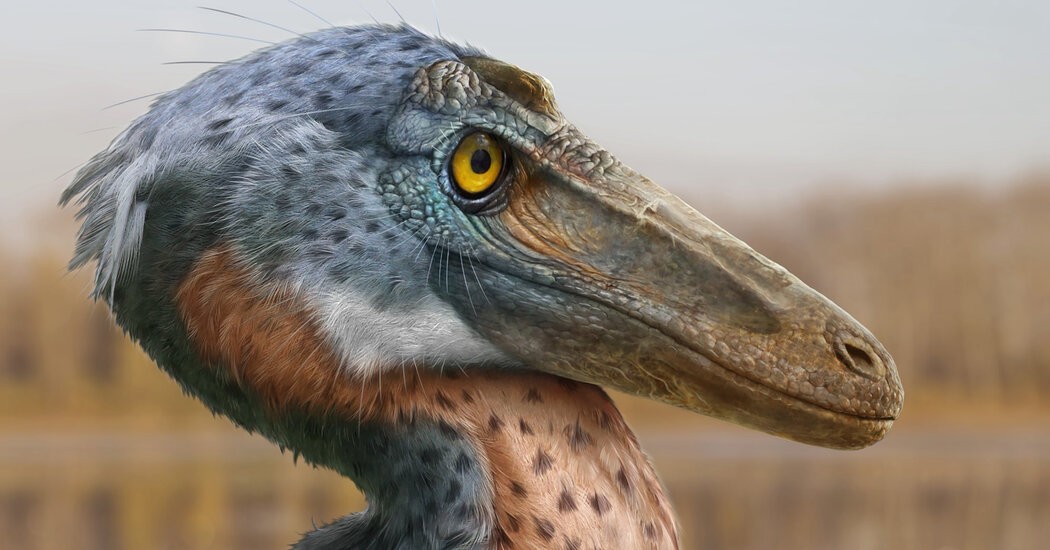
A newly discovered dinosaur species from Mexico, Xenovenator espinosai (meaning “strange hunter”), challenges the typical image of raptors as solely claw-and-tooth predators. Paleontologists have found evidence that this bird-sized dinosaur used its thickened skull for head-butting combat, adding to the growing understanding of diverse dinosaur behaviors.
A Surprising Discovery in Mexico
The fossilized braincase of Xenovenator was unearthed in the Cerro del Pueblo formation in northeastern Mexico, a region that was once a marshy coastline teeming with dinosaurs approximately 73 million years ago. The area also hosted other iconic species like duck-billed herbivores, early tyrannosaurs, and the horned Coahuilaceratops.
The key finding is a robust, knobby structure on top of the dinosaur’s braincase, where bone fused together. This indicates that Xenovenator likely engaged in ramming behavior against rivals.
Raptors Beyond Claws and Teeth
Traditionally, raptor-like dinosaurs (troodontids) have been understood as agile predators relying on speed, claws, and teeth. Xenovenator demonstrates that dinosaurs were more behaviorally flexible than previously thought. According to Héctor Rivera-Sylva, lead author of the study published in the journal Diversity, the discovery “reminds us that dinosaur behavior was likely far more diverse and nuanced.”
Late Cretaceous Head-Bashing Trend
Head-butting was common among certain dinosaur groups at the end of the Cretaceous period. Other species like the dome-headed Pachycephalosaurus and the horned Pachyrhinosaurus had evolved specialized headgear for such confrontations. This suggests a competitive environment where physical dominance was crucial.
The fossil’s discovery also highlights that not all raptors avoided head-to-head combat. While some theropods may have preferred claws, Xenovenator shows that even smaller, birdlike dinosaurs could have engaged in skull-cracking battles.
Xenovenator espinosai provides another example of how dinosaur ecosystems were far more complex than scientists initially estimated. The fossil proves that even small dinosaurs were capable of utilizing diverse combat strategies.