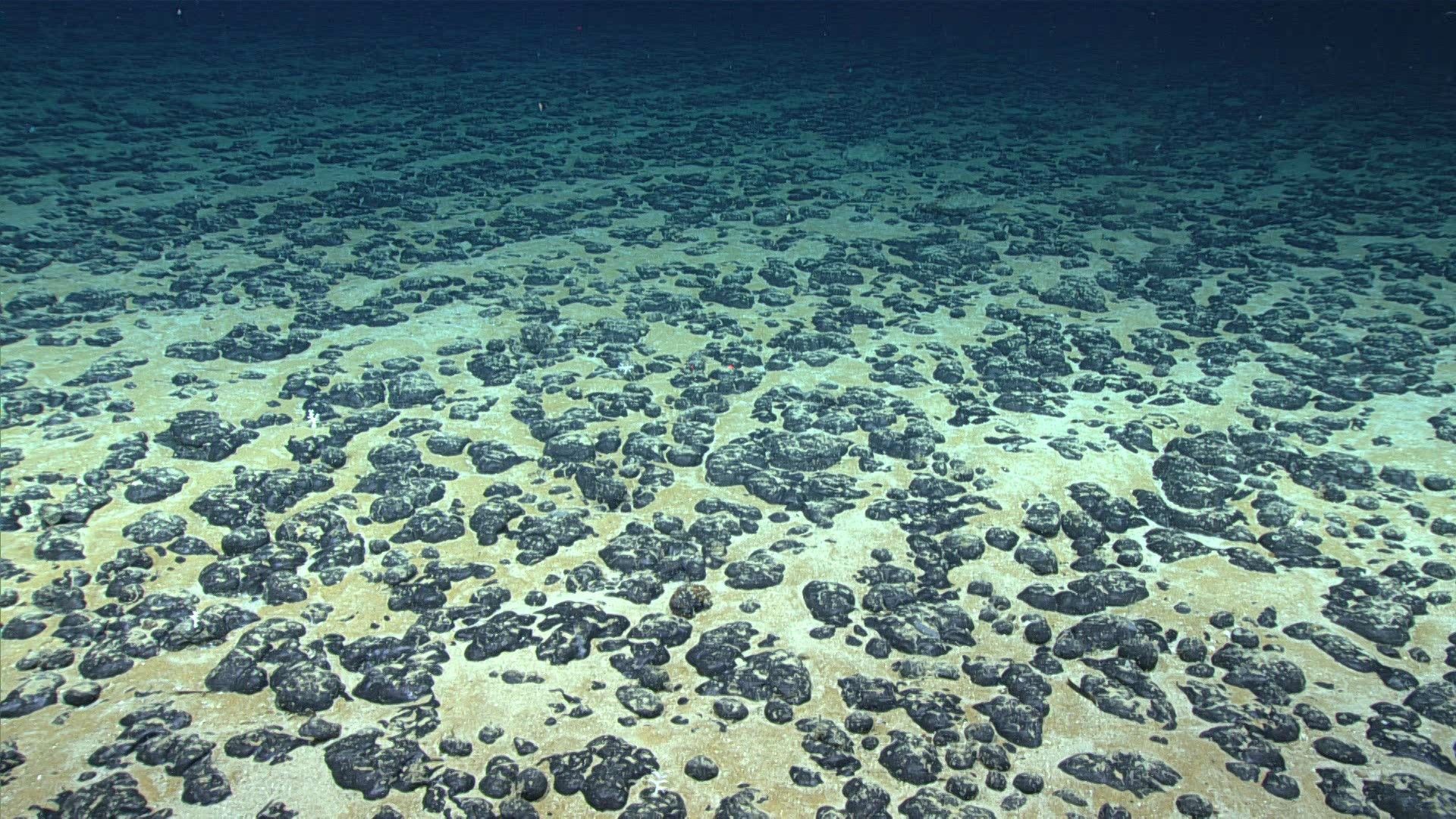
A 2024 study claiming the discovery of “dark oxygen” – a novel oxygen source on the deep seafloor – is under intense criticism from marine scientists, who argue its findings are fundamentally flawed and contradict established scientific principles. Experts are calling for the paper’s retraction, citing methodological errors and thermodynamic impossibilities. Despite this backlash, the study’s authors plan further expeditions to validate their claims, while critics remain deeply skeptical.
The Original Claim: Oxygen Production from Metallic Lumps
The initial research, published in Nature Geoscience, proposed that metallic nodules on the seafloor could split seawater into hydrogen and oxygen through electrolysis – a process occurring without sunlight, hence the term “dark oxygen.” This discovery, if verified, would challenge long-held assumptions about the deep ocean as an oxygen sink and could reshape our understanding of life’s origins. The study gained attention partly because of its potential implications for deep-sea mining, a growing industry eyeing the mineral-rich nodules in question.
Methodological Concerns and Thermodynamic Impossibilities
However, a subsequent opinion article published in Frontiers in Marine Science dismantles the original study’s claims. Critics, including Anders Tengberg and Per Hall, argue that the researchers failed to properly calibrate their measuring equipment, allowing trapped oxygen to skew the results. The researchers’ oxygen readings were inconsistent and did not align with established deep-sea oxygen levels.
Angel Cuesta Ciscar, an electrochemistry professor, goes further, stating that the proposed oxygen production mechanism violates the laws of thermodynamics. Seawater electrolysis requires significant energy input, which the study failed to account for, essentially suggesting energy creation from nothing. The absence of hydrogen measurements, a byproduct of electrolysis, further weakens the argument.
Funding and Timing Raise Questions
The original study received funding from deep-sea mining firms like The Metals Company and UK Seabed Resources, raising concerns about potential bias. The timing of the publication – coinciding with critical discussions around international deep-sea mining regulations – also fueled skepticism. The critics suggest that the findings, if taken at face value, could make deep-sea mining appear even more environmentally damaging than previously thought.
Ongoing Debate and Future Expeditions
The study’s lead author, Andrew Sweetman, defends the work, claiming additional evidence is under review at Nature Geoscience. He and his team are preparing another expedition to the Clarion-Clipperton Zone (CCZ) in May, funded by the Nippon Foundation, to deploy landers and further investigate the phenomenon.
Critics remain unconvinced. Per Hall bluntly stated, “We don’t believe in this… I hope that Nature Geoscience retracts the paper.” The debate underscores the rigorous scrutiny required for extraordinary claims, especially in a field where methodology and scientific consistency are paramount.
Ultimately, the future of the “dark oxygen” hypothesis rests on verifiable evidence and peer review. The scientific community awaits the outcome of the re-evaluation at Nature Geoscience, but skepticism prevails, with many experts viewing the initial findings as an experimental artifact rather than a groundbreaking discovery.