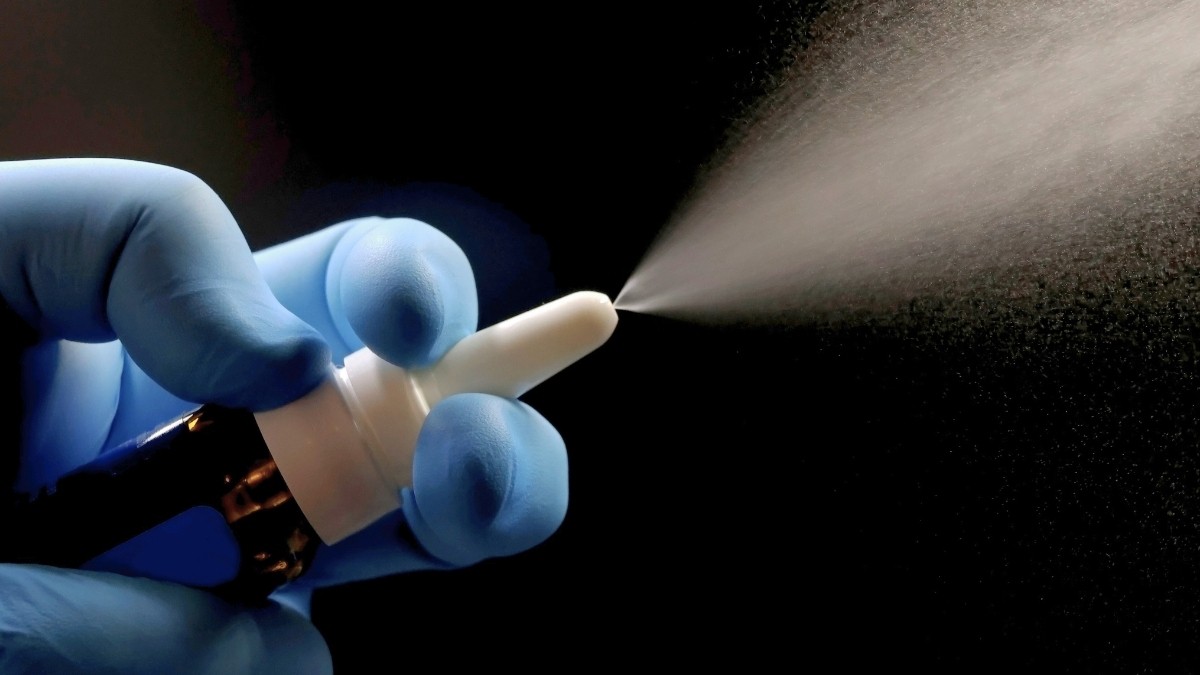
Scientists have engineered a novel vaccine candidate delivered via nasal spray that demonstrates remarkably broad protection in animal models. This single vaccine shields against not only viruses like SARS-CoV-2 but also common bacterial infections and even allergic reactions—a feat previously considered beyond reach.
Universal Immunity: A New Approach
Traditional vaccines prime the adaptive immune system to recognize specific pathogens. This means yearly flu shots and constant adjustments to combat evolving viruses. This new vaccine, dubbed GLA-3M-052-LS+OVA, sidesteps this limitation by targeting the body’s initial immune response—the innate system. Unlike adaptive immunity, which develops over time, innate immunity offers immediate but short-lived protection. The research team discovered a way to artificially sustain this innate response for months, creating a kind of ‘universal’ shield.
Rapid Protection and Reduced Viral Load
In mice, three doses of the nasal spray dramatically accelerated immune response to SARS-CoV-2. While typical lung defenses take two weeks to mobilize, vaccinated mice launched a counterattack within three days. Viral loads in the lungs were reduced by a staggering 700-fold compared to unvaccinated controls. Protection against the virus lasted for at least three months.
Beyond Viruses: Bacteria and Allergies
The vaccine’s effectiveness extends beyond viral threats. It also protected mice against Staphylococcus aureus and Acinetobacter baumannii, antibiotic-resistant bacteria frequently contracted in hospitals. Even more surprising, exposure to dust mites triggered significantly reduced asthmatic responses in vaccinated animals, with lower immune cell production and mucus buildup. This suggests a potential for long-term allergy relief.
How It Works: Bridging Adaptive and Innate Immunity
Researchers previously found that certain T cells can keep innate immune cells active for extended periods. The new vaccine mimics this signal, artificially sustaining innate immunity long after it would normally fade. This “call-to-arms” keeps the body on high alert, but the key question is whether this sustained activation can be achieved safely in humans.
The Road Ahead
Human trials are the next crucial step. If successful, this vaccine could become available within five to seven years. Experts caution that while promising, real-world efficacy and safety remain unproven. Maintaining the immune system in a constant state of readiness could trigger unintended side effects, but the potential benefits—a single spray protecting against a wide range of respiratory illnesses and allergies—are transformative.
“Imagine getting a nasal spray in the fall months that protects you from all respiratory viruses, including COVID-19, influenza, respiratory syncytial virus, and the common cold, as well as bacterial pneumonia and early spring allergens. That would transform medical practice.” – Bali Pulendran, Stanford microbiologist.
This research represents a paradigm shift in vaccine development. By focusing on the body’s fundamental defenses instead of chasing specific pathogens, scientists may have unlocked a new era of broad-spectrum immunity.