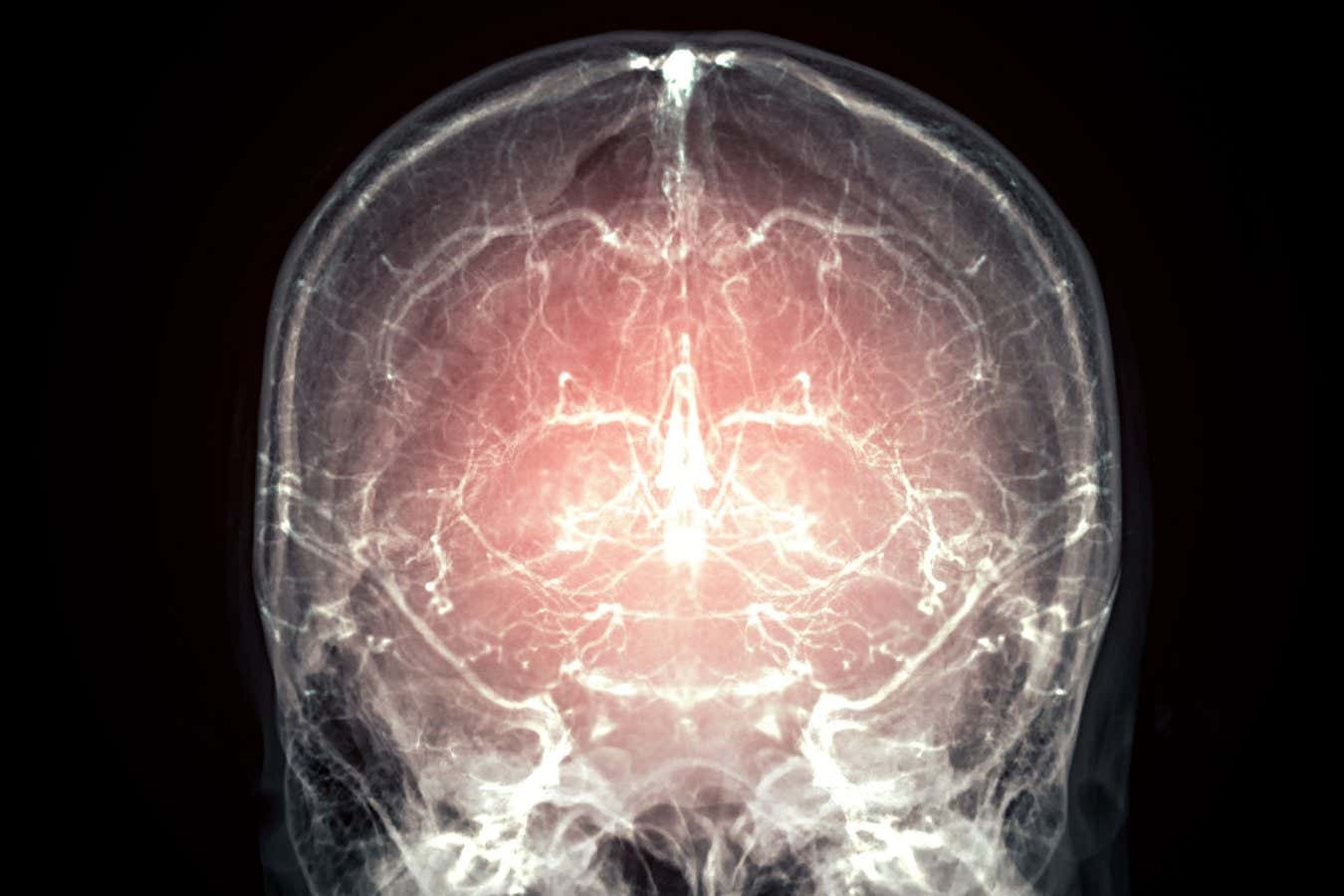
A research company, Nectome, is pioneering a new method for preserving mammalian brains immediately after death, aiming to reconstruct minds in the future. The technique bypasses the rapid deterioration that begins within minutes of cardiac arrest, a critical window where enzymes break down neural structures. The team’s approach involves physician-assisted death, allowing for immediate intervention to fixate brain tissue using aldehyde chemicals and cryoprotectants, locking cellular activity in place before ice crystals can form during cooling.
The Science Behind Preservation
The protocol, tested on pigs due to their anatomical similarity to humans, focuses on speed and chemical intervention. Within one minute of cardiac arrest, a cannula inserts preservation fluids into the brain, creating molecular bridges between cells. The brain is then cooled to -32° C, forming a glass-like state that preserves the structure indefinitely. Microscopy confirms excellent preservation when the delay between death and perfusion is under 14 minutes, retaining neurons, synapses, and molecular structures.
The ultimate goal is to map the brain’s connectome—the complete neural network—believed to hold the key to thoughts, feelings, and perceptions. While scientists have only mapped a small portion of the mouse brain over seven years, Nectome believes this method could capture all the information needed for future reconstruction.
Ethical and Philosophical Implications
Though current technology cannot revive preserved organs, the work challenges traditional definitions of death. The ability to preserve the detailed molecular composition of a brain, even after blood circulation stops, underscores the ambiguity between life and death. The company plans to invite terminally ill individuals to Oregon, where they can undergo the procedure with legal medical assistance.
Uncertain Revival
Experts remain skeptical about true “reanimation.” The preservation process uses toxic chemicals, ensuring structural integrity but not biological viability. Even if a perfect connectome is reconstructed, it may not guarantee the continuation of consciousness as we understand it. The work still raises profound questions about what it means to die, and how far we can push the boundaries of preservation.
This research underscores that the line between life and death is not as clear-cut as previously believed, pushing science towards a future where preserving the fundamental essence of a person may be possible even beyond biological function.