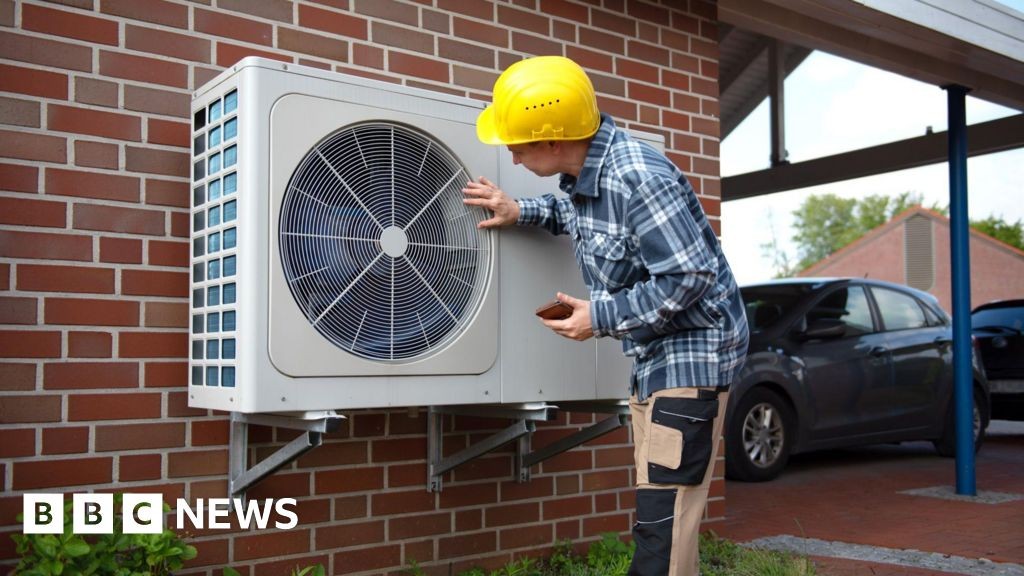
Scotland’s climate change advisors have warned that the government’s current plan to scale up heat pump installations is too slow to meet emissions targets, raising questions about the feasibility of achieving net-zero goals. The Scottish government proposed accelerating heat pump adoption only by 2035, with most of the required installations scheduled for the following decade, but the Climate Change Committee (CCC) deems this approach “unambitious” and potentially disruptive to supply chains.
Current Progress and Criticisms
While Scotland has made strides in reducing overall greenhouse gas emissions – a 51.3% reduction by 2023 compared to 1990 levels – much of this progress stems from decarbonizing the energy sector, a responsibility largely managed by the UK government. The CCC report emphasizes that future cuts will depend on policies controlled by the Scottish Parliament, particularly in areas like home heating.
The core issue isn’t just speed, but timing. The CCC argues that delaying significant action until the late 2030s creates a dangerous reliance on a rapid, unrealistic catch-up period. Experts estimate that around 110,000 heat pumps must be installed during the next parliamentary term to ensure a steady industry growth. Without this acceleration, the transition will likely face bottlenecks and delays.
The Heat Pump Solution Explained
Heat pumps offer a viable solution for cutting carbon emissions from buildings by running on electricity and extracting heat from the air, even in cold climates. Scandinavian countries such as Norway, Sweden and Finland, have some of the highest installations. However, effective heat pump operation requires adequate home insulation to prevent heat loss. Scotland is currently ahead of the rest of the UK in heat pump deployment, with an 18% increase in installations between 2023 and 2024, but this growth needs to be sustained and accelerated.
Beyond Heat Pumps: Electric Vehicles and Nature Restoration
The CCC assessment also highlights successes in electric vehicle infrastructure, with Scotland meeting its 6,000 charge point target two years ahead of schedule. However, the report notes uneven distribution and room for improvement in public satisfaction.
Conversely, the report criticizes “stop-start funding” for nature restoration projects, specifically citing budget cuts that led to the destruction of millions of tree saplings and the collapse of a tree nursery. This instability damages supply chains and undermines long-term sustainability efforts.
A Credibility Challenge
Conservation groups like WWF Scotland argue that ministers must significantly improve their climate plans to maintain credibility. The delay in action not only exacerbates the climate crisis but also deprives citizens of the benefits of lower energy bills, warmer homes, cleaner air, and nature recovery.
“The more we delay, the more we add to the climate crisis and the longer people have to wait for the benefits of lower energy bills, warmer homes, healthier air and nature recovery.” – Lang Banks, Director, WWF Scotland.
Scotland’s climate strategy faces a critical juncture. The CCC’s assessment underscores the need for immediate action to accelerate heat pump deployment, maintain momentum in electric vehicle infrastructure, and ensure consistent funding for nature restoration. Without a renewed commitment to aggressive emissions reduction, the nation risks falling behind on its net-zero commitments and forfeiting the economic and environmental benefits of a swift transition.